 Bug FAQ
Ferruginous Bee-Grabber
Sicus ferrugineus · Order: Diptera · Family: Conopidae
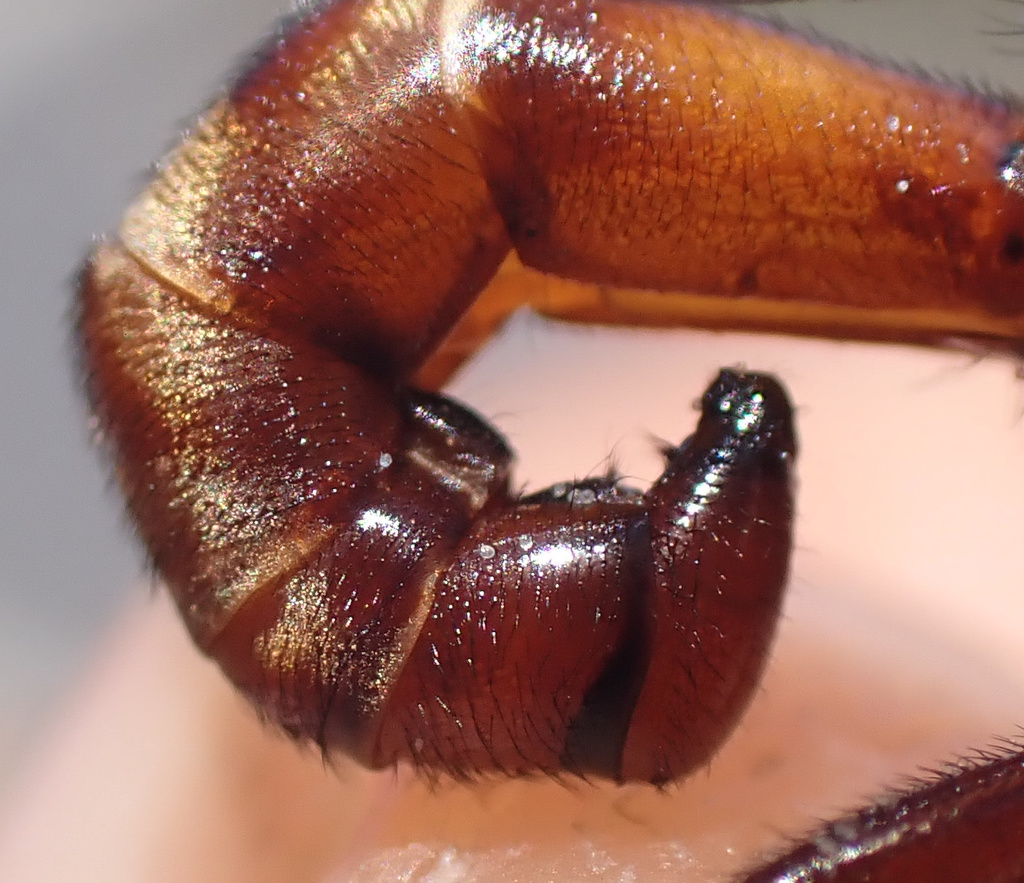
Adult Ferruginous Bee-Grabbers are 8 to 13 mm long and have a reddish-brown body with a large yellow head that looks inflated and has a bubble-like front and narrow cheeks. They live in hedgerows and flower meadows across much of Europe, appear from May to September, and feed on nectar and pollen from many wildflowers. Their larvae develop inside bumblebees, eventually pupating and overwintering within the host.
Source: Wikipedia
Size
Adults grow to 8 to 13 mm (0.31 to 0.51 in) in length.
Source: Wikipedia
Where it lives
They are typically found in hedgerows and flower meadows.
Source: Wikipedia
What it eats
Adults feed on nectar and pollen from a variety of Asteraceae, Apiaceae, Onagraceae, Lamiaceae, and Rosaceae plants.
Source: Wikipedia
Life cycle
Their larvae are internal parasites of bumblebees (Bombus species) and later pupate and overwinter inside the host.
Source: Wikipedia
When you see it
They can be seen from May through September.
Source: Wikipedia
Where it comes from
The species is common throughout much of Europe.
Source: Wikipedia
More photos


Questions people ask
Are they a pest for gardens or crops?
They feed on flower nectar and pollen and are not reported to damage garden plants or crops.
Source: Wikipedia
What insects do their larvae parasitize?
The larvae develop inside bumblebees of the genus Bombus, such as B. lapidarius and B. terrestris.
Source: Wikipedia
Same family (Conopidae)

Sources
- Wikipedia: https://en.wikipedia.org/wiki/Sicus_ferrugineus
Look it up elsewhere: GBIF · iNaturalist · BugGuide · Wikipedia
Text written 2026-10-22 from the sources above and checked sentence by sentence against them. Data fetched 2026-10-22.