 Bug FAQ
Euryurus evides
Euryurus evides · Order: Polydesmida · Family: Xystodesmidae
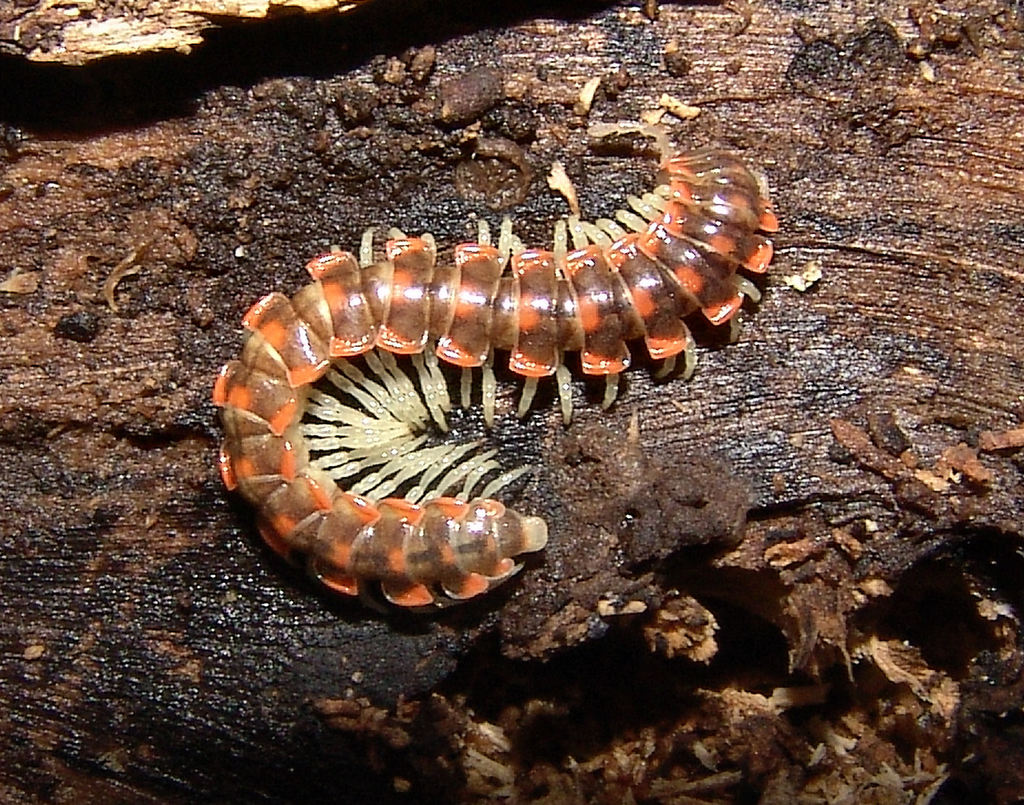
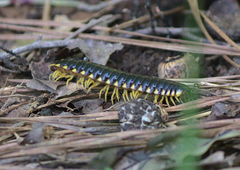
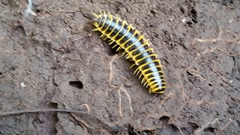
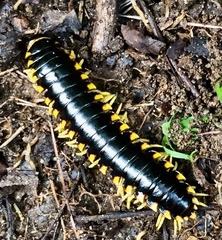
Euryurus evides is a flat-backed millipede about 27 mm long and 3 mm wide, weighing roughly 0.15 g. The species lives in North America, prefers moist, dark places, and is most often found under or inside rotting logs.
Source: Wikipedia
Size
Adults average 27.1 mm in total length, 3.1 mm wide, and weigh about 0.153 g.
Source: Wikipedia
Where it lives
It avoids light, seeks moisture, and is usually found within or beneath rotting logs of various sizes. Individuals have also been discovered in damp areas around logs that show little decay.
Source: Wikipedia
Life cycle
The species is solitary; it is never seen in groups, though up to a dozen may nest together under a log.
Source: Wikipedia
Where it comes from
Euryurus evides occurs in North America.
Source: Wikipedia
Where it is found in the US
Recorded in 7 of 51 states and DC. Most records: Missouri, Illinois, Iowa, Minnesota, Arkansas, Wisconsin, Oklahoma.
Darker = more records. Counts are museum and citizen-science records, not population size.
Source: GBIF
Months it is reported in the US
Source: GBIF
More photos
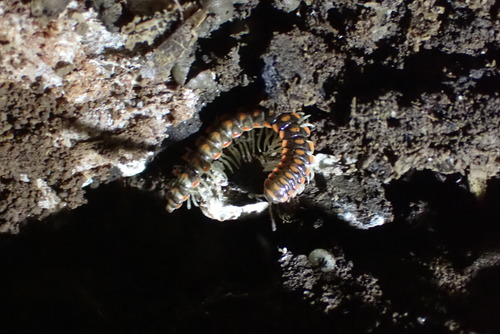
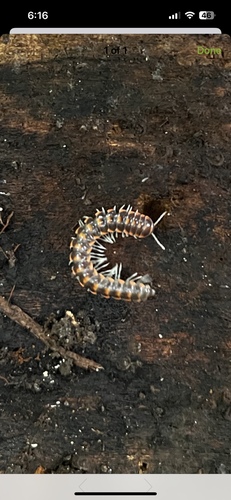

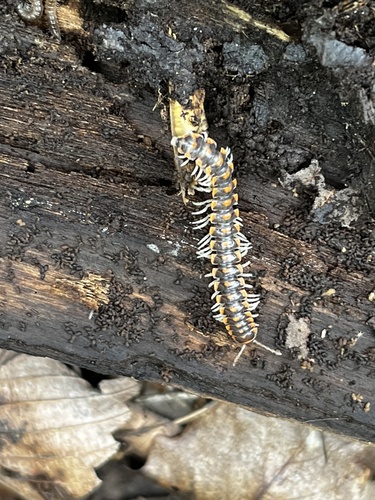
Questions people ask
How big is Euryurus evides?
Adults are about 27 mm long, 3 mm wide, and weigh roughly 0.15 g.
Source: Wikipedia
Where can I find Euryurus evides?
It lives in moist, dark places in North America, typically under or inside rotting logs, and also in damp areas around less decayed logs.
Source: Wikipedia
Do they gather in groups?
They are usually solitary, though up to a dozen may be found nesting together under a log.
Source: Wikipedia
Same family (Xystodesmidae)



Sources
- Wikipedia: https://en.wikipedia.org/wiki/Auturus_evides
Look it up elsewhere: GBIF · iNaturalist · BugGuide · ITIS · Wikipedia
Text written 2026-10-26 from the sources above and checked sentence by sentence against them. Data fetched 2026-10-26.