 Bug FAQ
Epyaxa lucidata
Epyaxa lucidata · Order: Lepidoptera · Family: Geometridae

Epyaxa lucidata is a small moth about 1 cm long with a 20-30 mm wingspan and a bark-like gray-brown pattern; males and females differ in wing colour and pattern. It is endemic to New Zealand and has been recorded near Rotorua, living in habitats where its larvae feed on herbaceous plants. Its life cycle follows the typical moth stages of egg, larva, pupa and adult, with activity mainly in the warmer months.
Source: Wikipedia
How to recognize it
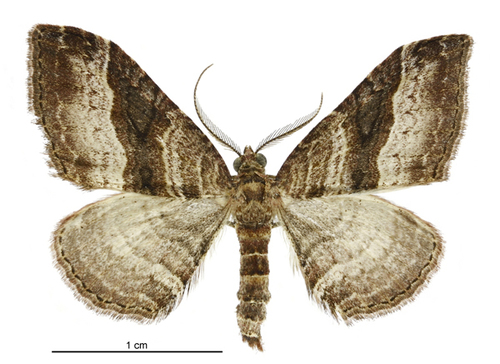
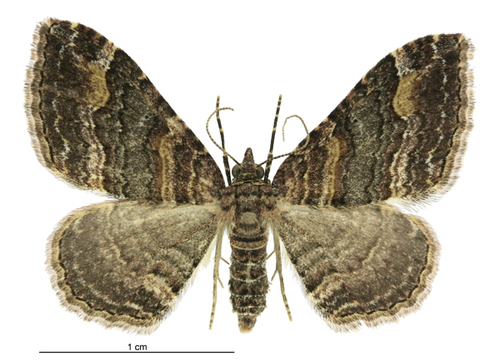
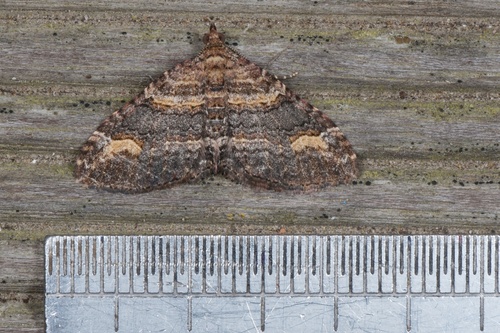
The moth’s wing pattern mimics tree bark and comes in shades of gray and brown, with males and females showing different colouration.
Source: Wikipedia
Size
Body length is about 1 cm and wingspan ranges from 20 to 30 mm.
Source: Wikipedia
Where it lives
Recorded in Te Tumu Kaituna near Rotorua, New Zealand.
Source: Wikipedia
What it eats
Larvae have been found on herbaceous plants, suggesting they feed like other geometrid moths.
Source: Wikipedia
Life cycle
Develops from egg to larva to pupa to adult like other Lepidoptera. Seasonal activity occurs mainly in warmer months, similar to other geometrid moths.
Source: Wikipedia
Where it comes from
Endemic to New Zealand.
Source: Wikipedia
Lookalikes
Geometrid moths have slender bodies and broad wings held flat at rest; male Epyaxa can be distinguished from Helastia by hidden antennal pectinations.
Source: Wikipedia
More photos
Same family (Geometridae)
 Willow BeautyPeribatodes rhomboidaria
 Pale BeautyCampaea perlataDamages trees, gardens or crops
 Large Lace-border MothScopula limboundataDamages trees, gardens or crops
 Riband WaveIdaea aversata
 Yellow Shell MothCamptogramma bilineata
 Large Maple Spanworm MothProchoerodes lineolaDamages trees, gardens or crops
Sources
- Wikipedia: https://en.wikipedia.org/wiki/Epyaxa_lucidata
Look it up elsewhere: GBIF · iNaturalist · BugGuide · Wikipedia
Text written 2026-10-23 from the sources above and checked sentence by sentence against them. Data fetched 2026-10-22.