 Bug FAQ
Eleodes scabrosa
Eleodes scabrosa · Order: Coleoptera · Family: Tenebrionidae
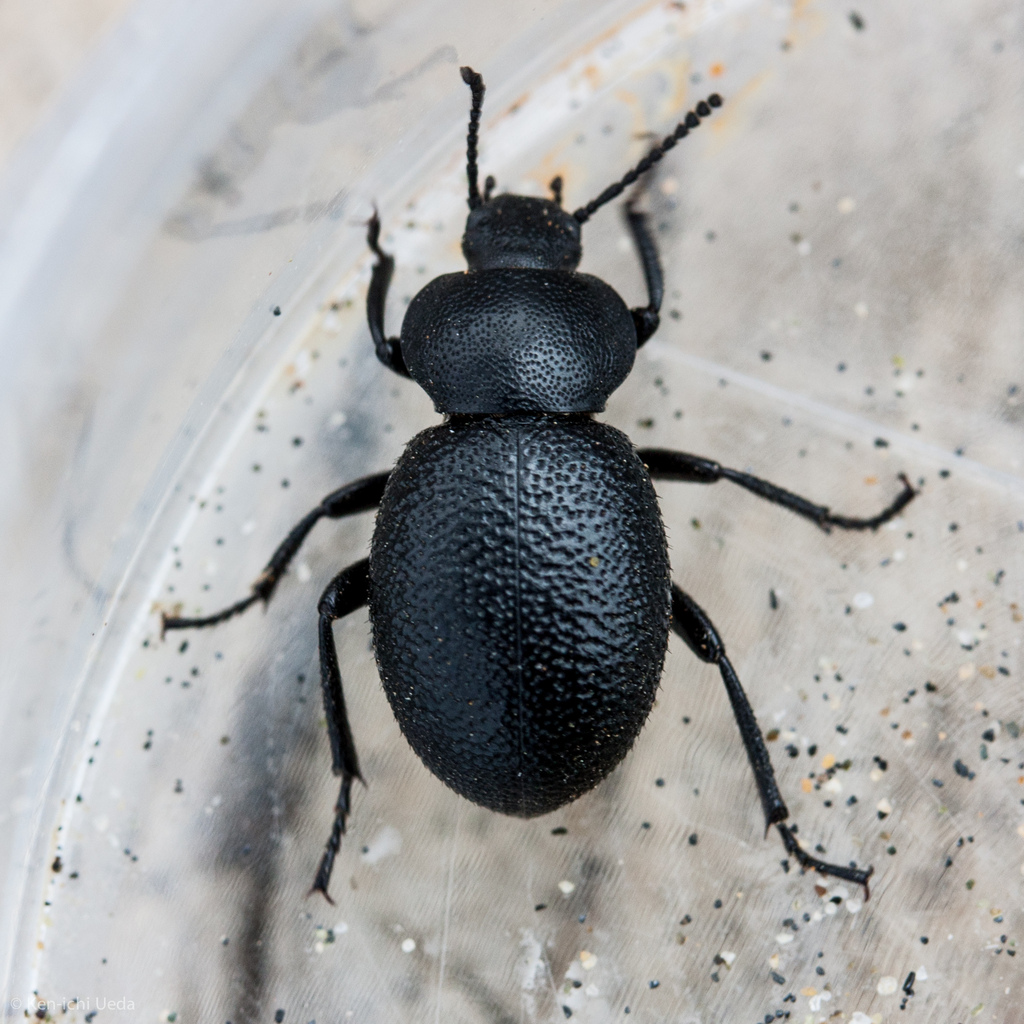
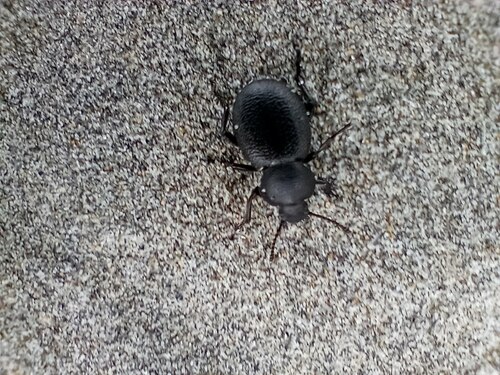
Eleodes scabrosa is a black beetle with a textured abdomen and a tiny cross-shaped indentation where the head meets the thorax. It occurs from Washington state down through California into Mexico, living on temperate beaches in the north and on desert coasts farther south.
Source: Wikipedia
How to recognize it
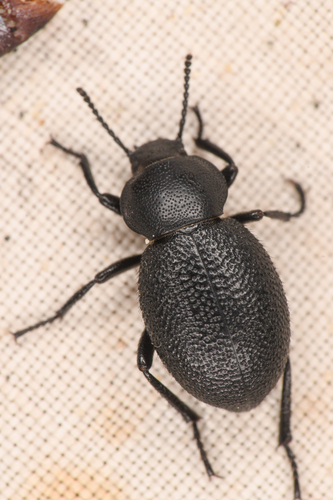
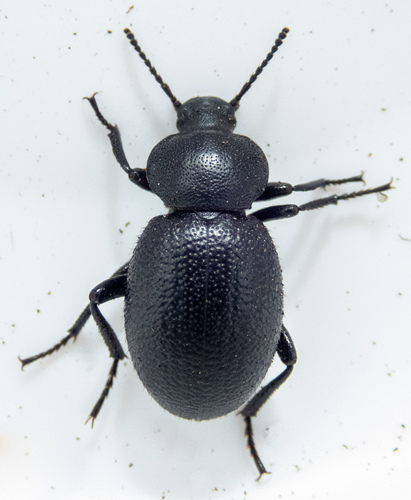
The beetle is overall black and its abdomen has a textured surface. A barely visible cross-shaped indentation is present on the exoskeleton connecting the head.
Source: Wikipedia
Where it lives
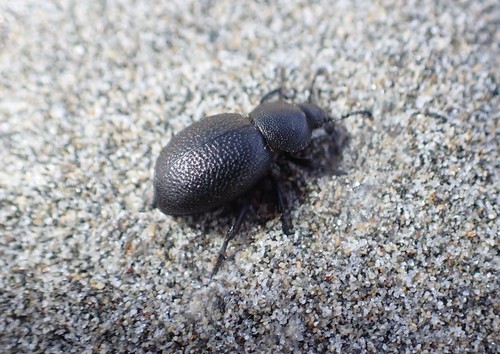
Eleodes scabrosa is found across western North America, from Washington to Mexico. In cooler parts of its range it lives on beaches, while in California and Mexico it prefers desert habitats near the coast.
Source: Wikipedia
Where it comes from
It is native to western North America, ranging from Washington state down to Mexico.
Source: Wikipedia
Where it is found in the US
Recorded in 9 of 51 states and DC. Most records: California, Oregon, Washington, Utah, West Virginia, New Jersey, New Mexico, Arizona.
Darker = more records. Counts are museum and citizen-science records, not population size.
Source: GBIF
Status: native in North America; native in United States. Source: iNaturalist
Months it is reported in the US
Source: GBIF
More photos
Questions people ask
Where can I find Eleodes scabrosa?
You will see it from Washington state to Mexico, on temperate beaches in the north and on desert coasts farther south.
Source: Wikipedia
Same family (Tenebrionidae)




Sources
- Wikipedia: https://en.wikipedia.org/wiki/Eleodes_scabrosa
Look it up elsewhere: GBIF · iNaturalist · BugGuide · Wikipedia
Text written 2026-10-26 from the sources above and checked sentence by sentence against them. Data fetched 2026-10-26.