 Bug FAQ
Electric Ant
Wasmannia auropunctata · Order: Hymenoptera · Family: Formicidae
Also called: Little fire ant
Source: Wikipedia
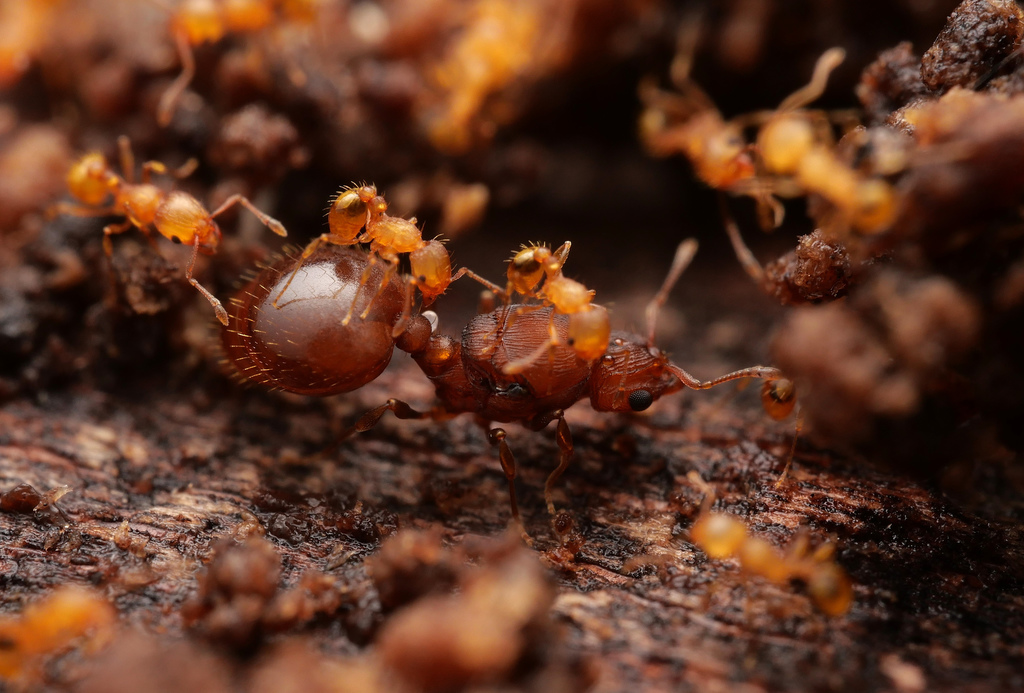
Electric ants are tiny, about 1 to 2 mm long, and have a light golden-brown body with a darker gaster. They thrive in warm, human-altered habitats such as forest edges, farms, and inside homes where they infest furniture, food, and clothing. These ants are aggressive predators that sting with venom, causing itchy, painful welts up to an inch long.
Source: Wikipedia
Size
Workers measure roughly 1.5 mm (about 1⁄16 in) long, with the species ranging from 1 to 2 mm in size.
Source: Wikipedia
Is it a pest in the house?
These ants are considered residential pests because they set up colonies in furniture, food stores, and clothing.
Source: Wikipedia
Can it bite, sting or make you sick?
The species is known for a painful sting that feels disproportionate to its tiny size. Stings cause itchy, painful welts that can be up to an inch long.
Source: Wikipedia
How to get rid of it
- Various control and prevention methods have been proposed to reduce or eradicate electric ant populations.
- The Pacific Ant Prevention Program outlines specific prevention strategies for island regions.
Source: Wikipedia
Where it lives
They also become residential pests, establishing colonies in furniture, food, and clothing inside homes.
Source: Wikipedia
What it eats
Electric ants are generalist feeders that eat other insects, decaying plant material, seeds, and various plants. They also harvest honeydew and form mutualistic relationships with aphids, and their venomous sting can subdue larger prey.
Source: Wikipedia
Life cycle
Queens reproduce new queens asexually through parthenogenesis, while sterile workers are produced from fertilized eggs.
Source: Wikipedia
When you see it
Colonies are often found under rocks and plant litter. Heavy rainstorms can trigger increased colony movement.
Source: Wikipedia
Where it comes from
Their native range covers most of South and Central America, except colder regions.
Source: Wikipedia
Where it is found in the US
Recorded in 3 of 51 states and DC. Most records: Florida, Hawaii, Idaho.
Darker = more records. Counts are museum and citizen-science records, not population size.
Source: GBIF
Status: introduced in United States. Source: iNaturalist
Months it is reported in the US
Source: GBIF
More photos
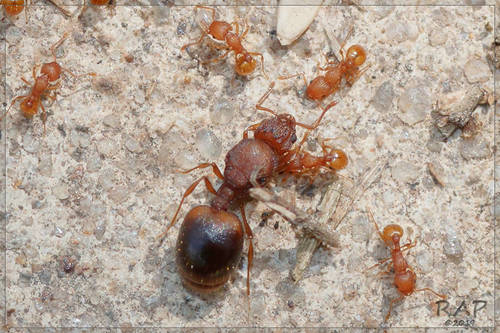
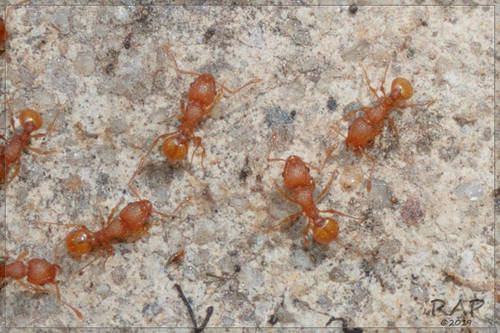
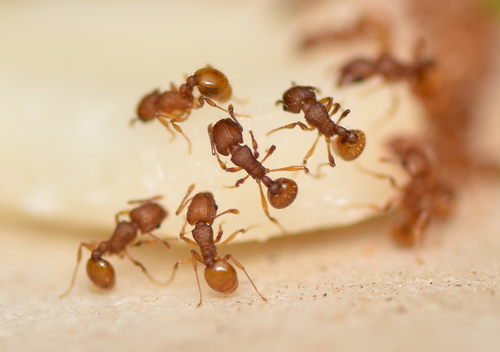

Questions people ask
How big are electric ants?
Workers are about 1 to 2 mm long, roughly the size of a pinhead.
Source: Wikipedia
Where do electric ants live?
They inhabit warm, human-associated areas such as forest edges, farms, and inside homes.
Source: Wikipedia
Do electric ants sting?
Yes, they deliver a painful sting that can cause itchy welts up to an inch long.
Source: Wikipedia
How can I control electric ants?
Control strategies include various eradication methods and specific prevention programs like the Pacific Ant Prevention Program.
Source: Wikipedia
Same family (Formicidae)
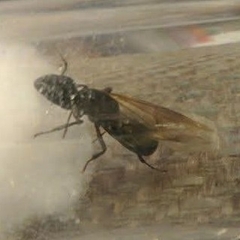 Eastern Black Carpenter AntCamponotus pennsylvanicusCan bite
 Red Imported Fire AntSolenopsis invictaCan sting
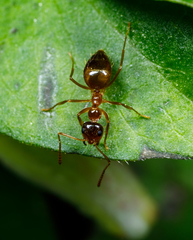 American Winter AntPrenolepis imparis
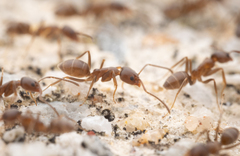 Argentine AntLinepithema humileNuisance, not dangerous
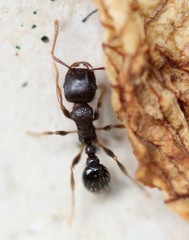 Immigrant Pavement AntTetramorium immigransCan sting
 Odorous House AntTapinoma sessileCan damage your home
Sources
- Wikipedia: https://en.wikipedia.org/wiki/Electric_ant
Look it up elsewhere: GBIF · iNaturalist · BugGuide · ITIS · Wikipedia
Text written 2026-10-25 from the sources above and checked sentence by sentence against them. Data fetched 2026-10-25.