 Bug FAQ
Dark Apricot Sulphur
Phoebis argante · Order: Lepidoptera · Family: Pieridae
Also called: Apricot Sulphur, Argante Giant Sulphur
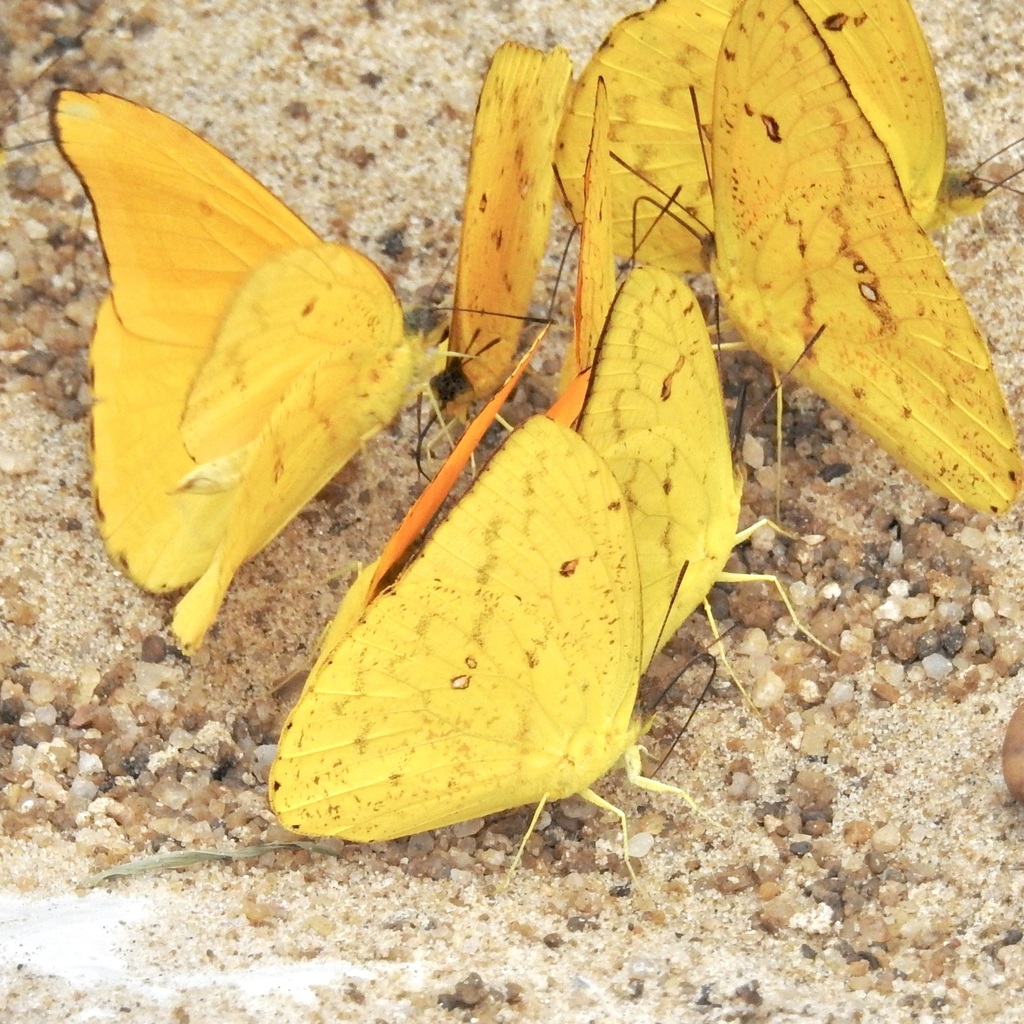
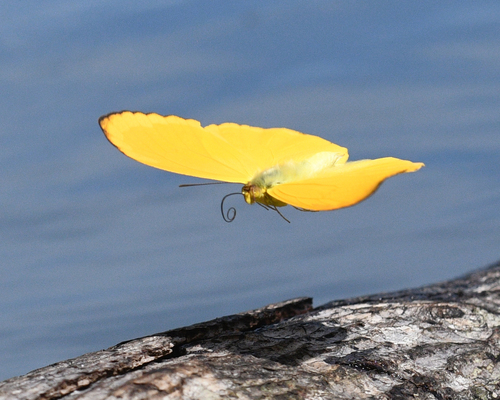
The Dark Apricot Sulphur has a wingspan of roughly 54 to 67 mm (about 2.1 to 2.6 in). Males show bright orange upper wings with a thin dark border on the forewings and paler hindwings that bear two small whitish spots. It lives from Mexico through Central America to Peru, as well as in the Antilles and Cuba, and its caterpillars feed on several legume trees such as Pentaclethra and Inga species.
Source: Wikipedia
How to recognize it
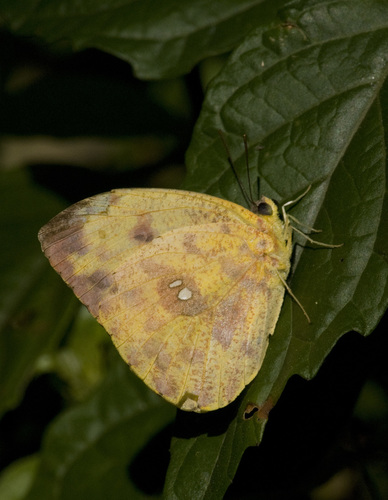
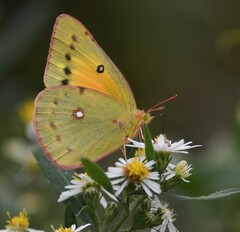
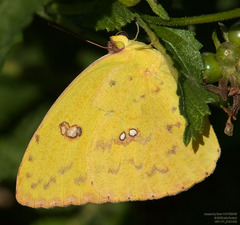
Males have bright orange upper wings with a thin black or dark brown edge on the forewings. The hindwings are a lighter orange and show two small whitish spots near the middle.
Source: Wikipedia
Size
Wingspan ranges from about 54 mm to 67 mm (2.1 to 2.6 in).
Source: Wikipedia
Where it comes from
Its range includes Mexico, Central America, Peru, the Antilles and Cuba.
Source: Wikipedia
Lookalikes
It belongs to the Pieridae family and is also called the apricot sulphur or Argante giant sulphur.
Source: Wikipedia
Where it is found in the US
Recorded in 4 of 51 states and DC. Most records: Florida, Texas, Illinois, Virginia.
Darker = more records. Counts are museum and citizen-science records, not population size.
Source: GBIF
Status: native in North America. Source: iNaturalist
Months it is reported in the US
Source: GBIF
More photos
Questions people ask
Where can I expect to see a Dark Apricot Sulphur?
They occur from Mexico through Central America to Peru, as well as in the Antilles and Cuba.
Source: Wikipedia
What do the caterpillars of this butterfly eat?
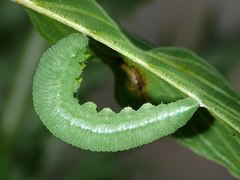
The larvae feed on several legume trees, including Pentaclethra macroloba and species of Cassia and Inga.
Source: Wikipedia
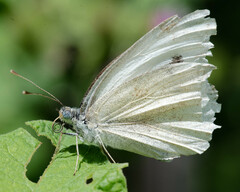
Same family (Pieridae)


Sources
- Wikipedia: https://en.wikipedia.org/wiki/Phoebis_argante
Look it up elsewhere: GBIF · iNaturalist · BugGuide · ITIS · Wikipedia
Text written 2026-10-23 from the sources above and checked sentence by sentence against them. Data fetched 2026-10-22.