 Bug FAQ
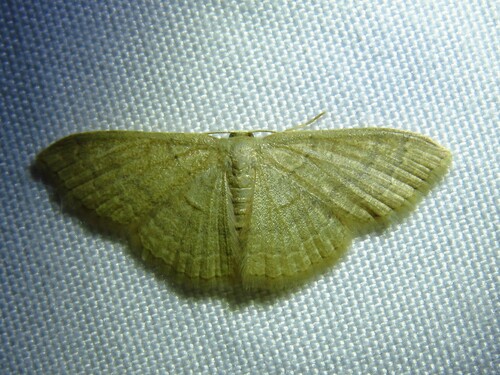
Common Tan Wave
Pleuroprucha insulsaria · Order: Lepidoptera · Family: Geometridae
Also called: Common Tan Wave Moth
Source: Wikipedia
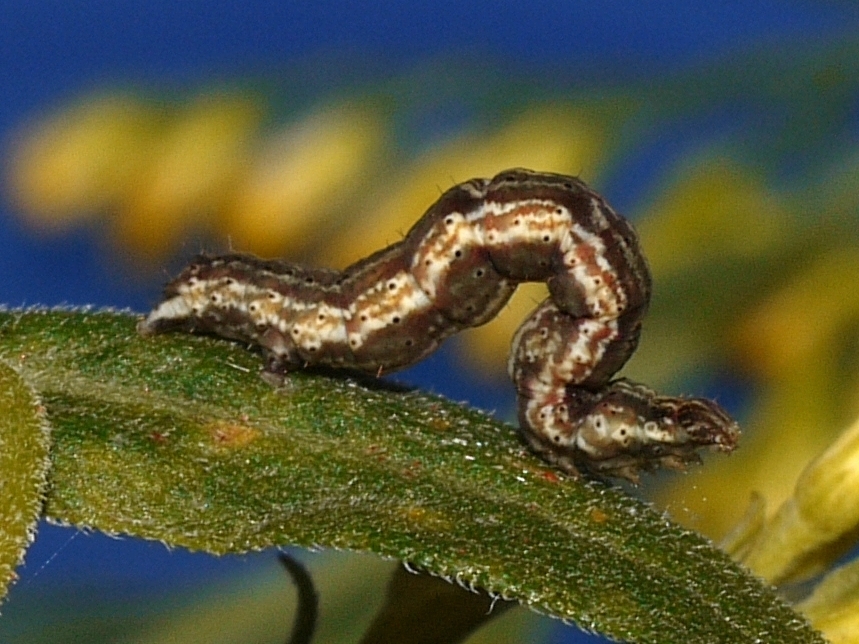
The common tan wave moth has a wingspan of about 14-21 mm and belongs to the Geometridae family. Adults fly from early spring to autumn, depending on the region.
Source: Wikipedia
Size
Its wingspan ranges from 14 to 21 mm.
Source: Wikipedia
What it eats
The caterpillars eat many plants, including nightshade, bedstraw, corn, goldenrod, chestnut, oak and willow.
Source: Wikipedia
When you see it
Adults are on the wing from March or April through October in the south, and from June to October in the north.
Source: Wikipedia
Where it comes from
Its native range covers the same eastern North American area.
Source: Wikipedia
Where it is found in the US
Recorded in 39 of 51 states and DC. Most records: Texas, Maryland, Pennsylvania, Illinois, Ohio, North Carolina, Alabama, Virginia.
Darker = more records. Counts are museum and citizen-science records, not population size.
Source: GBIF
Status: native in North America; native in United States; native in Canada. Source: iNaturalist
Months it is reported in the US
Source: GBIF
More photos
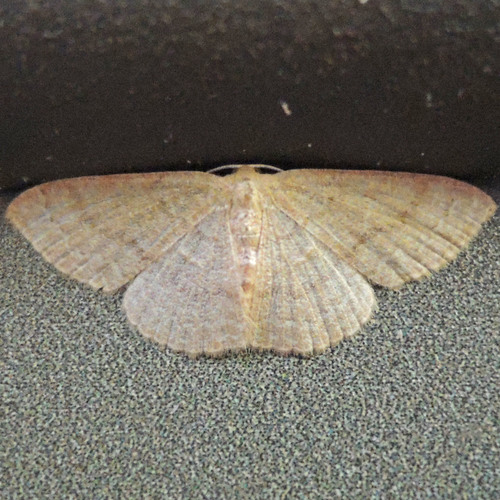
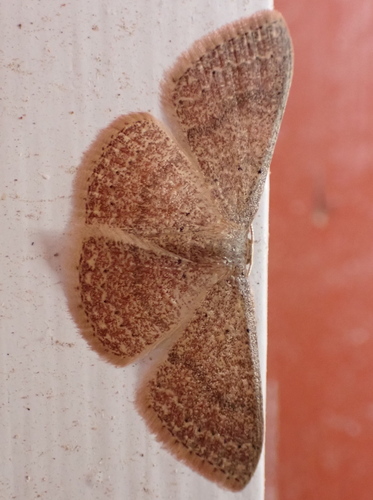
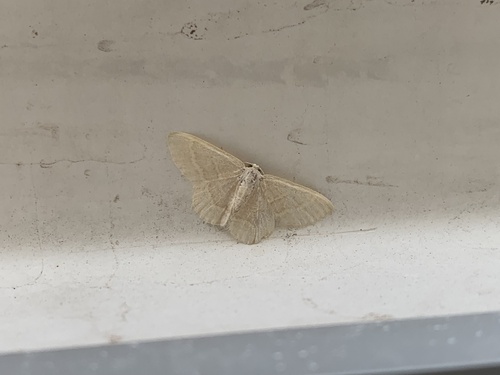
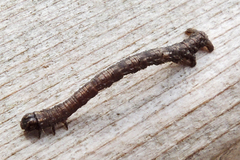
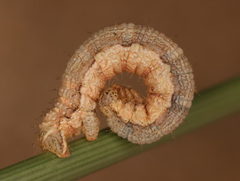
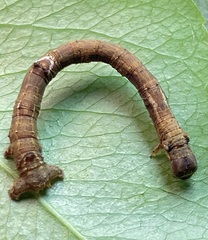
Same family (Geometridae)
 Willow BeautyPeribatodes rhomboidaria
 Pale BeautyCampaea perlataDamages trees, gardens or crops
 Large Lace-border MothScopula limboundataDamages trees, gardens or crops
 Riband WaveIdaea aversata
 Yellow Shell MothCamptogramma bilineata
 Large Maple Spanworm MothProchoerodes lineolaDamages trees, gardens or crops
Sources
- Wikipedia: https://en.wikipedia.org/wiki/Pleuroprucha_insulsaria
Look it up elsewhere: GBIF · iNaturalist · BugGuide · ITIS · Wikipedia
Text written 2026-10-22 from the sources above and checked sentence by sentence against them. Data fetched 2026-10-22.