 Bug FAQ
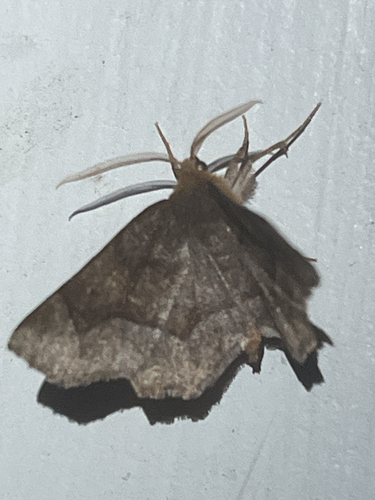
Common Metarranthis Moth
Metarranthis hypochraria · Order: Lepidoptera · Family: Geometridae
Also called: Common Metarranthis
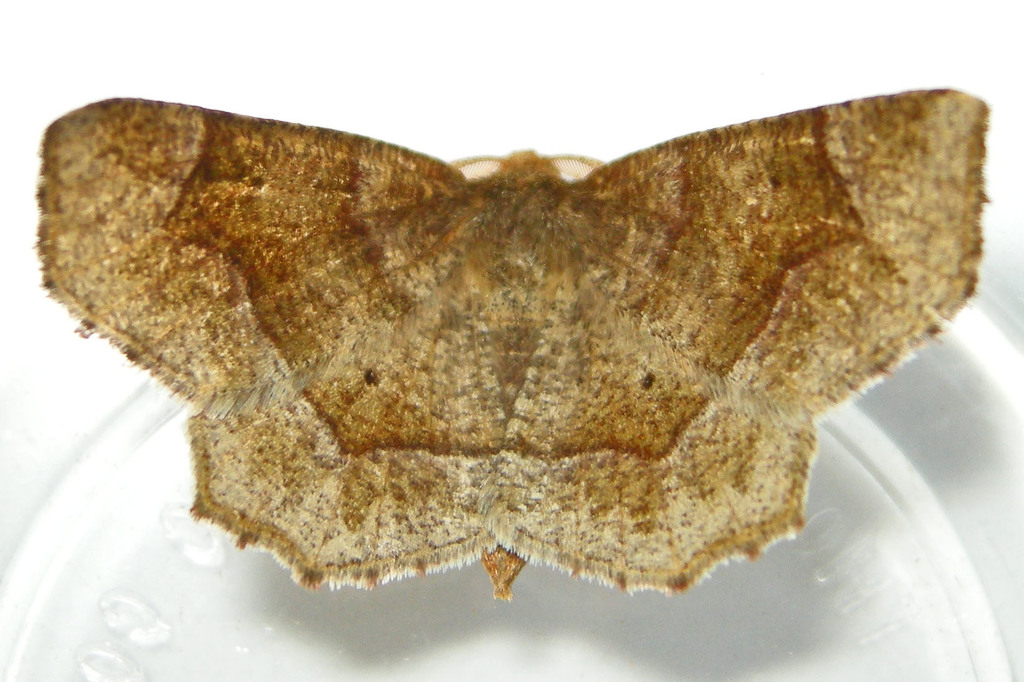
The common Metarranthis moth lives in the eastern part of North America. Its caterpillars appear in early summer, from June through July, and there is one generation each year.
Source: Wikipedia
Where it lives
It is found in eastern North America.
Source: Wikipedia
What it eats
The larvae eat leaves of many trees and shrubs, especially those in the Prunus group.
Source: Wikipedia
Life cycle
Caterpillars are present from June to July and the species produces one generation per year.
Source: Wikipedia
When you see it
You can find the larvae during June and July.
Source: Wikipedia
Where it comes from
It occurs in eastern North America.
Source: Wikipedia
Where it is found in the US
Recorded in 34 of 51 states and DC. Most records: Pennsylvania, Ohio, Connecticut, Massachusetts, New York, New Jersey, Maryland, Michigan.
Darker = more records. Counts are museum and citizen-science records, not population size.
Source: GBIF
Status: native in North America; native in Canada. Source: iNaturalist
Months it is reported in the US
Source: GBIF
More photos
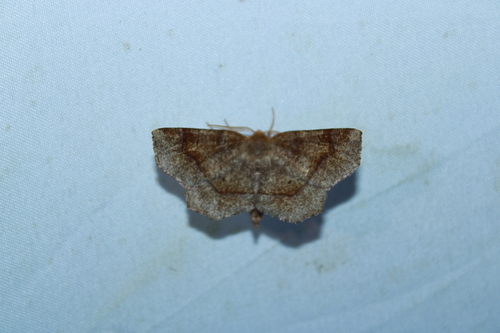
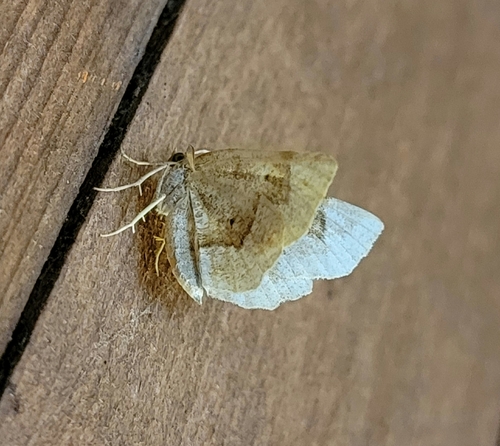
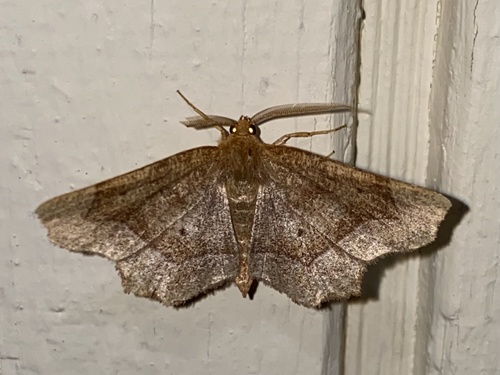
Questions people ask
When can I see the larvae?
Look for them in June and July, when the single yearly generation is active.
Source: Wikipedia
What do the caterpillars eat?
They feed on a variety of trees and shrubs, with a preference for Prunus species.
Source: Wikipedia
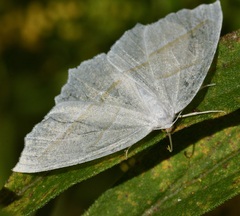
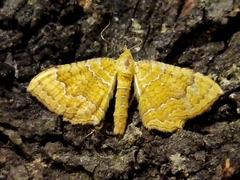
Same family (Geometridae)




Sources
- Wikipedia: https://en.wikipedia.org/wiki/Metarranthis_hypochraria
Look it up elsewhere: GBIF · iNaturalist · BugGuide · ITIS · Wikipedia
Text written 2026-10-24 from the sources above and checked sentence by sentence against them. Data fetched 2026-10-24.