 Bug FAQ
Cloaked Minor
Mesoligia furuncula · Order: Lepidoptera · Family: Noctuidae
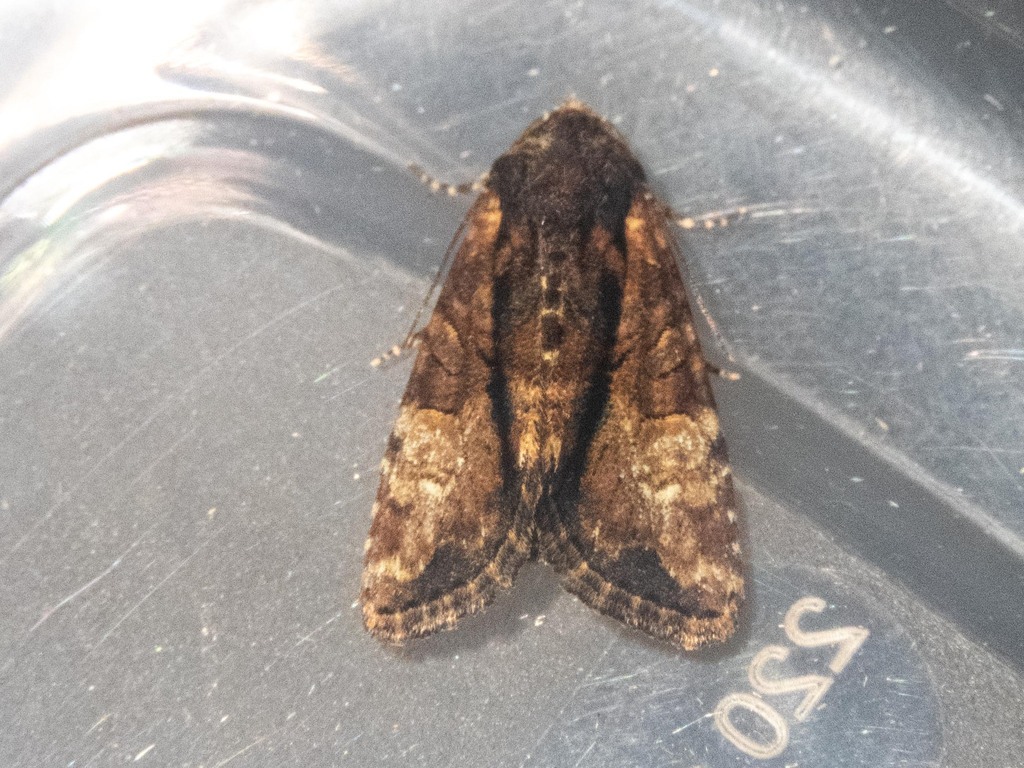
The Cloaked Minor moth has a wingspan of about 22 to 28 mm and forewings 10 to 12 mm long. It flies in a single generation from late June to mid-September and is found across the Palearctic region, from Europe to parts of Asia.
Source: Wikipedia
How to recognize it
The typical form shows a sharp contrast on the forewing between a pale outer area and a reddish-brown base, though the overall colour and pattern can vary widely.
Source: Wikipedia
Size
Wingspan ranges from 22 to 28 mm. Forewing length is 10 to 12 mm.
Source: Wikipedia
Where it lives
It inhabits the Palearctic realm, including Europe, northwest Africa, Russia, Siberia, Japan, northern Iran, Afghanistan and parts of China.
Source: Wikipedia
When you see it
The flight season runs from late June through mid-September.
Source: Wikipedia
Where it comes from
Its native range covers the same Palearctic areas listed for its habitat.
Source: Wikipedia
Lookalikes
It can resemble many Oligia species and is distinguished from most except Mesoligia literosa by genitalia details.
Source: Wikipedia
More photos
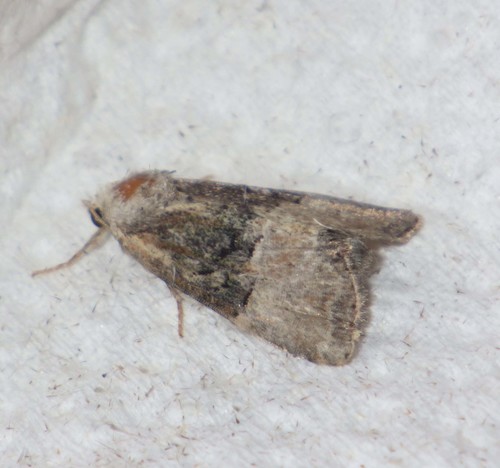
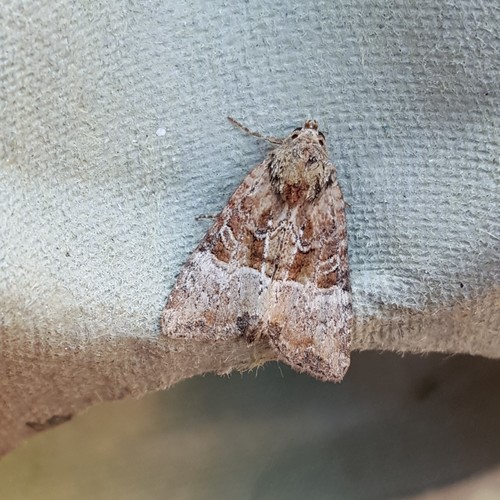
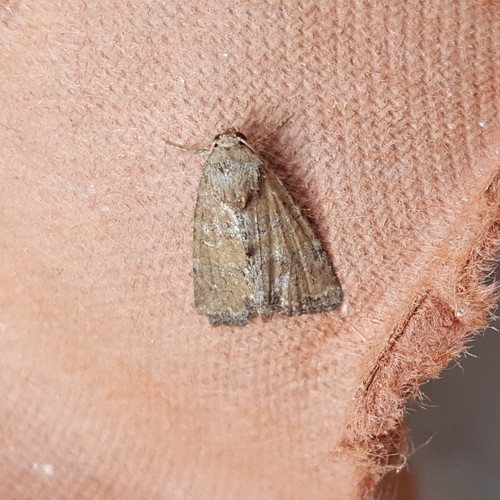
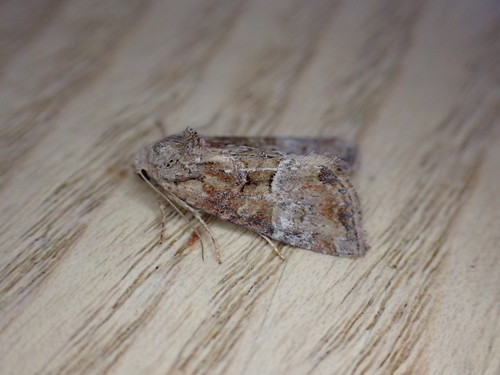
Questions people ask
Where is this moth found?
It occurs throughout the Palearctic region, from Europe to parts of Asia and northwest Africa.
Source: Wikipedia
How can I tell it apart from similar moths?
Look at the forewing pattern and, for precise ID, examine genitalia differences from other Oligia species.
Source: Wikipedia
Same family (Noctuidae)
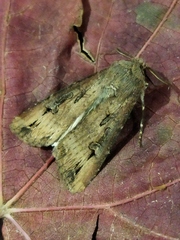 Ipsilon Dart MothAgrotis ipsilonDamages trees, gardens or crops
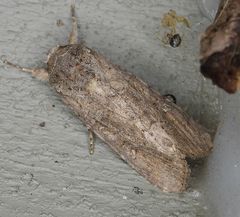 Fall Armyworm MothSpodoptera frugiperdaDamages trees, gardens or crops
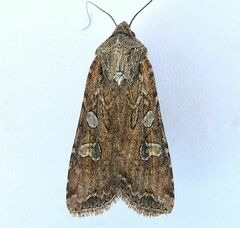 Army Cutworm MothEuxoa auxiliarisDamages trees, gardens or crops
 Large Yellow UnderwingNoctua pronubaDamages trees, gardens or crops
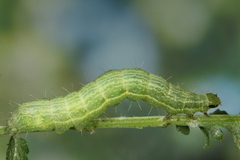 Silver ΥAutographa gamma
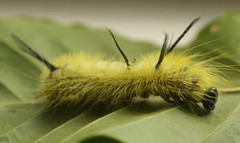 American DaggerAcronicta americanaCan irritate skin
Sources
- Wikipedia: https://en.wikipedia.org/wiki/Mesoligia_furuncula
Look it up elsewhere: GBIF · iNaturalist · BugGuide · Wikipedia
Text written 2026-10-22 from the sources above and checked sentence by sentence against them. Data fetched 2026-10-22.