 Bug FAQ
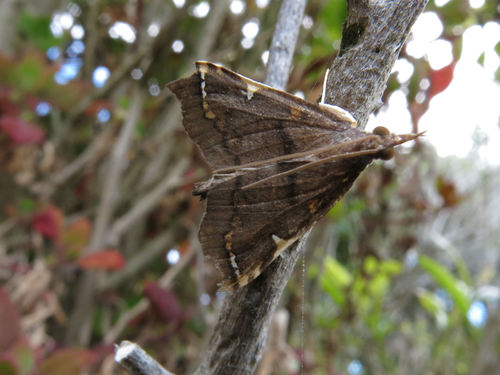
Clematis triangle
Deana hybreasalis · Order: Lepidoptera · Family: Crambidae
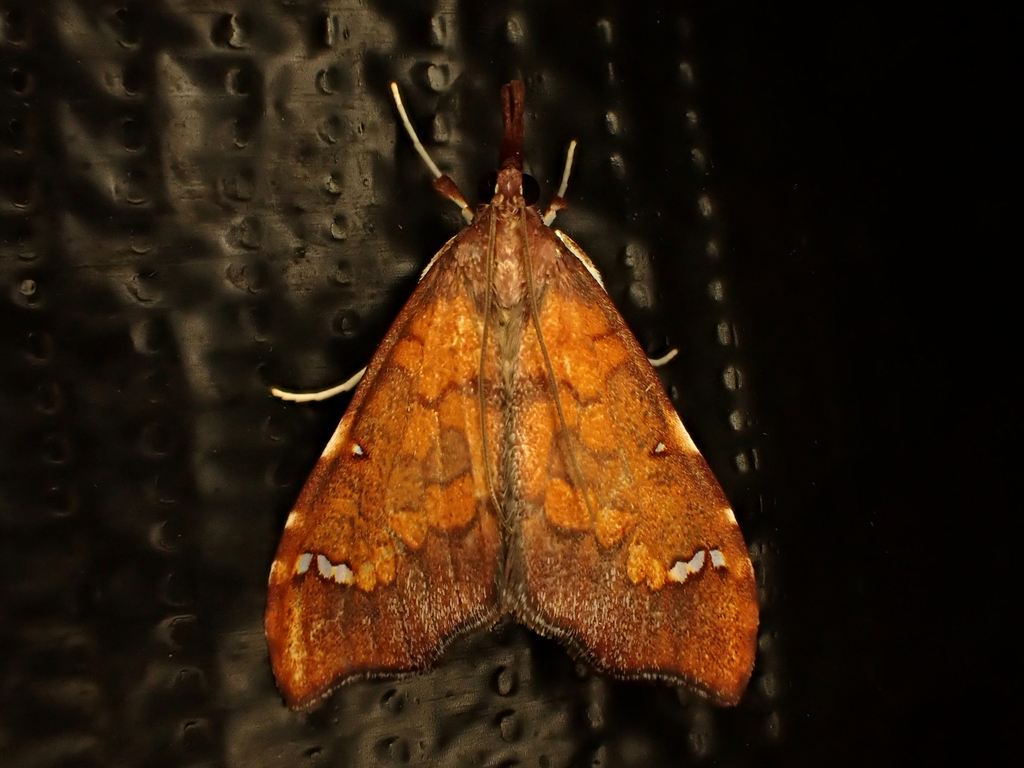
Adults are drawn to light and have been caught in a mercury-vapour light trap. The species Deana hybreasalis is found only in New Zealand. Its larvae eat a range of climbing plants, including Clematis vines.
Source: Wikipedia
How to recognize it
Adults are attracted to light and are collected with mercury-vapour light traps.
Source: Wikipedia
Where it lives
The only known species, Deana hybreasalis, lives exclusively in New Zealand.
Source: Wikipedia
What it eats
Larvae feed on various liana plants, such as species of Clematis in the Ranunculaceae family.
Source: Wikipedia
Where it comes from
Deana hybreasalis is endemic to New Zealand.
Source: Wikipedia
More photos
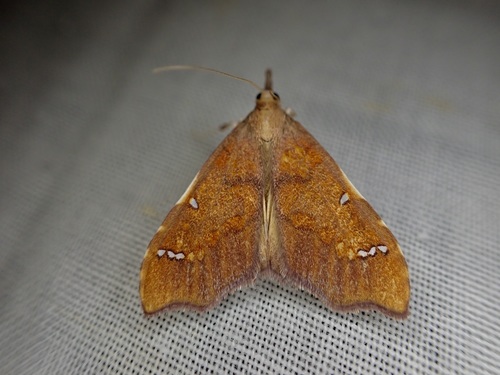
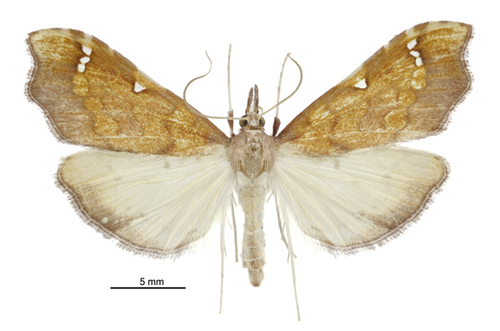
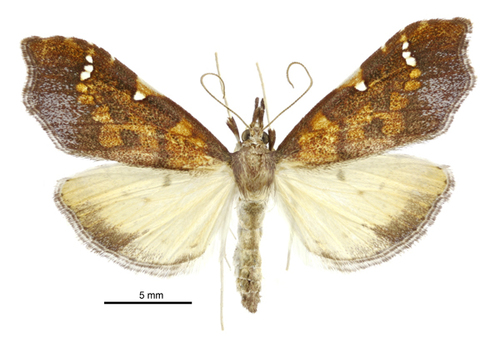
Same family (Crambidae)
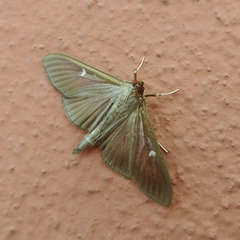 Box Tree MothCydalima perspectalisDamages trees, gardens or crops
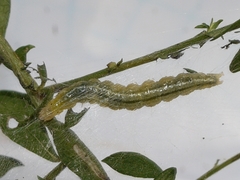 Celery Leaftier MothUdea rubigalisDamages trees, gardens or crops
 Elegant Grass-veneerMicrocrambus elegans
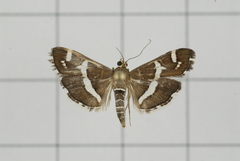 Hawaiian Beet Webworm MothSpoladea recurvalisDamages trees, gardens or crops
 Garden Grass-veneerChrysoteuchia culmellaDamages trees, gardens or crops
 Bluegrass Webworm MothParapediasia teterrellusDamages trees, gardens or crops
Sources
- Wikipedia: https://en.wikipedia.org/wiki/Deana
Look it up elsewhere: GBIF · iNaturalist · BugGuide · Wikipedia
Text written 2026-10-23 from the sources above and checked sentence by sentence against them. Data fetched 2026-10-23.