 Bug FAQ
Chocolate Albatross
Appias lyncida · Order: Lepidoptera · Family: Pieridae
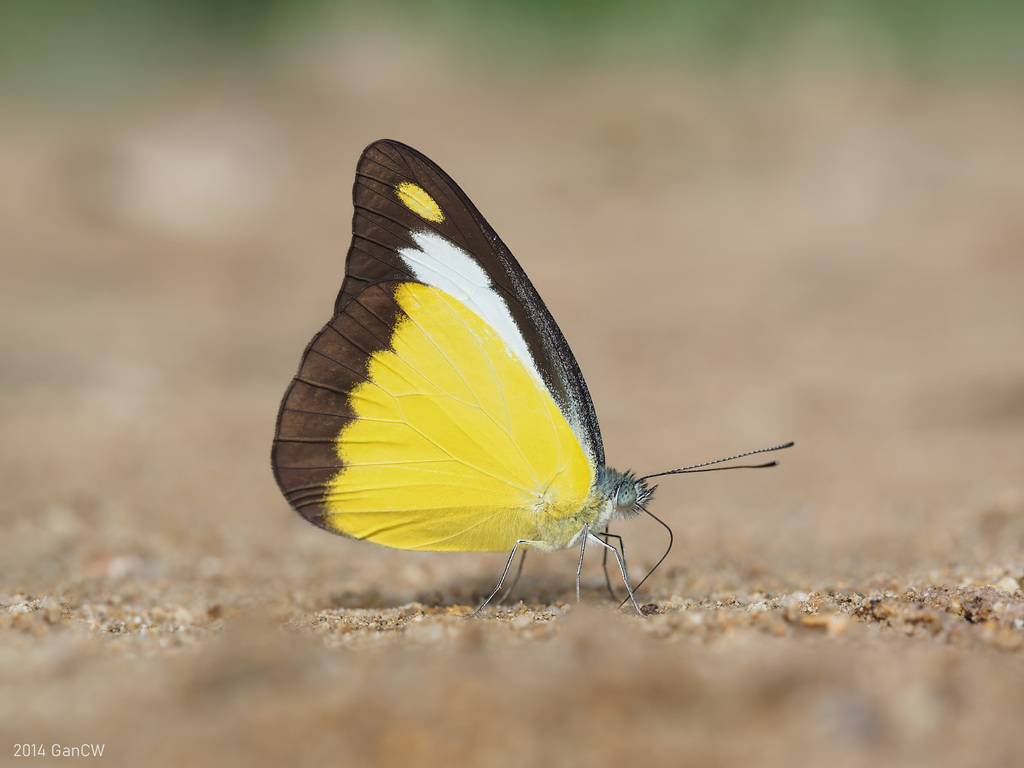
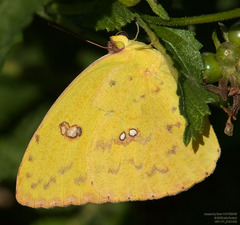
The chocolate albatross is a small forest butterfly with a wingspan of about 55 to 70 mm. Males are white on top with chocolate-brown or black edges and bright lemon-yellow underneath with chocolate markings, while females are white heavily clouded with dark brown. It lives in rainy highland forests up to about 910 m, often flying low over jungle clearings and stream banks.
Source: Wikipedia
How to recognize it
Females are white and densely clouded with dark brown.
Source: Wikipedia
Size
Wingspan ranges from 55 to 70 mm.
Source: Wikipedia
Where it lives
Prefers rainy highland forest up to 3,000 ft (910 m). Often seen flying close to the ground in jungle clearings and along stream banks.
Source: Wikipedia
Life cycle
Larval host plants are Crataeva religiosa, Capparis roxburghii and Capparis heyneana.
Source: Wikipedia
When you see it
Present year-round in the Nilgiris and locally common. Adults occasionally visit flowers such as Verbena in Kodagu.
Source: Wikipedia
Questions people ask
Where can I find chocolate albatross butterflies?
They live in rainy highland forests up to about 910 m, often near jungle clearings and stream banks.
Source: Wikipedia
Same family (Pieridae)


Sources
- Wikipedia: https://en.wikipedia.org/wiki/Appias_lyncida
Look it up elsewhere: GBIF · iNaturalist · BugGuide · Wikipedia
Text written 2026-10-22 from the sources above and checked sentence by sentence against them. Data fetched 2026-10-22.