 Bug FAQ
Chloronia mirifica
Chloronia mirifica · Order: Megaloptera · Family: Corydalidae
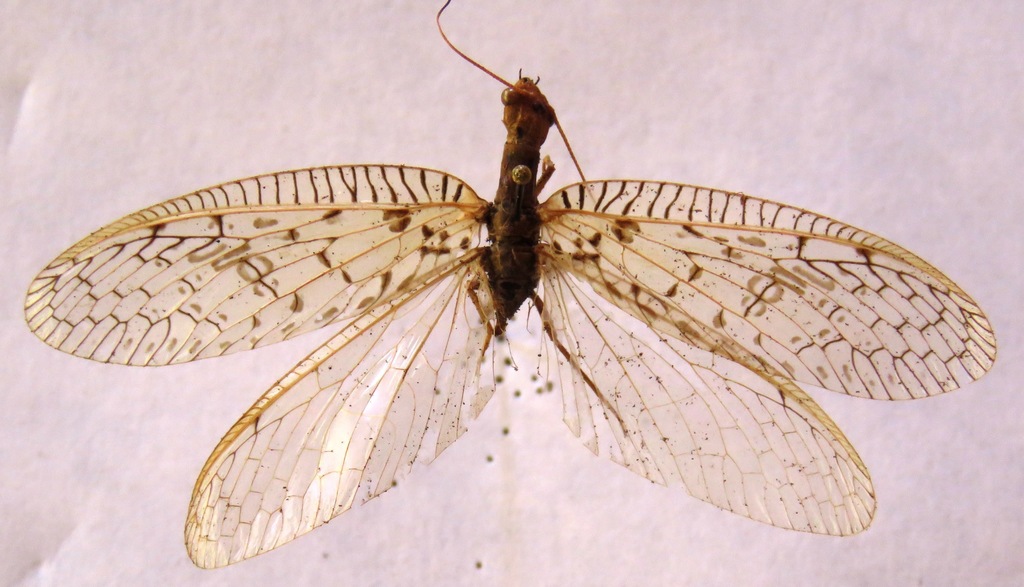
Males have forewings 29 to 40 mm long and females 25 to 42 mm long. It lives in warm, rainy tropical climates and is most often seen from May to October. The species occurs in the Neotropical realm.
Source: Wikipedia
How to recognize it
Key identification features include two dark spots on the back of the head, pale antennae, and distinctive male genital structures such as elongated lobes on the ninth sternum and a very broad tenth gonostylus.
Source: Wikipedia
Size
Male forewings measure 29 to 40 mm, while female forewings range from 25 to 42 mm.
Source: Wikipedia
Where it lives
It prefers tropical areas with semi-warm to warm temperatures and high rainfall.
Source: Wikipedia
When you see it
Adults are mainly observed from May through October.
Source: Wikipedia
Where it comes from
Chloronia mirifica is found in the Neotropical region.
Source: Wikipedia
More photos
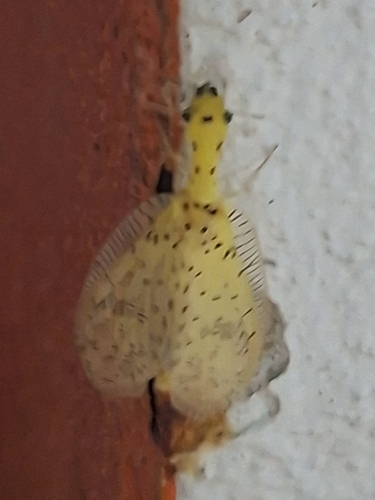
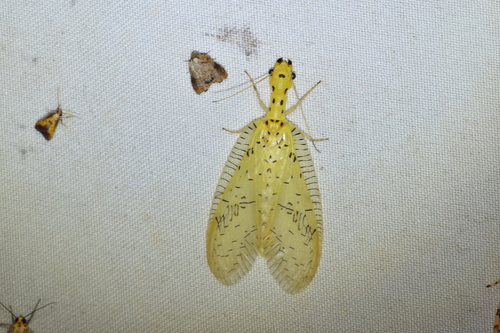
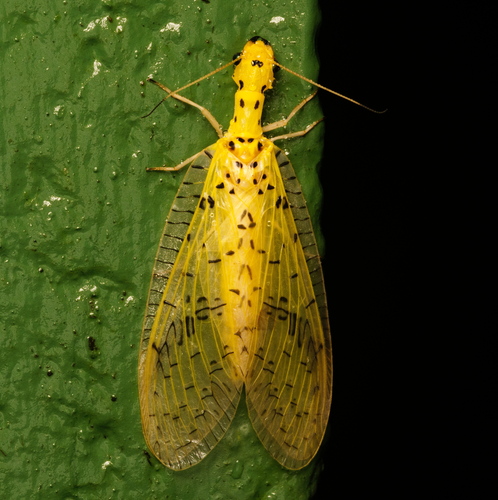
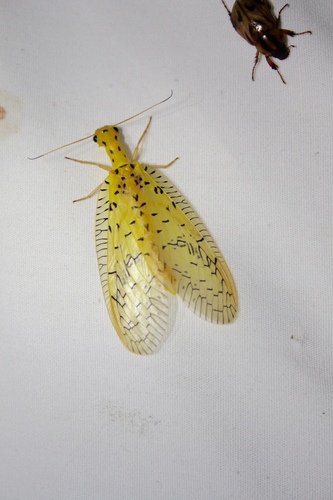
Same family (Corydalidae)


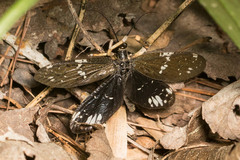
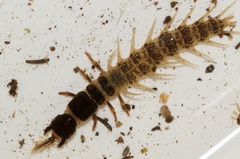
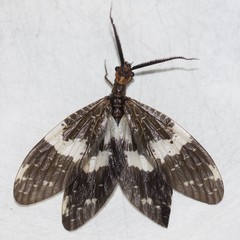

Sources
- Wikipedia: https://en.wikipedia.org/wiki/Chloronia_mirifica
Look it up elsewhere: GBIF · iNaturalist · BugGuide · ITIS · Wikipedia
Text written 2026-10-24 from the sources above and checked sentence by sentence against them. Data fetched 2026-10-23.