 Bug FAQ
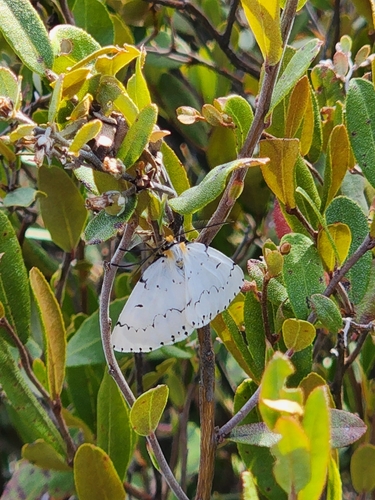
Chain-dotted Geometer
Cingilia catenaria · Order: Lepidoptera · Family: Geometridae
Also called: Chainspotted Geometer, Chain-dotted Geometer Moth
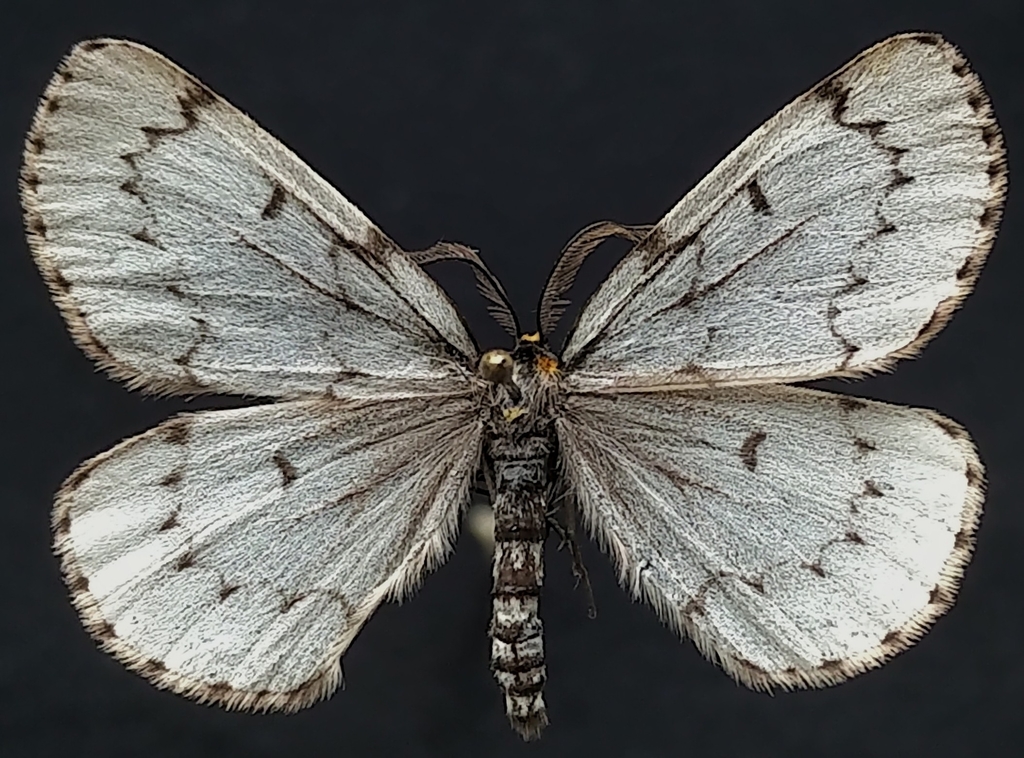
The chain-dotted geometer has a wingspan of about 30 to 40 mm. Adults fly from late August to early October, while larvae are present from June to August. The species spends the winter as an egg before emerging the following year.
Source: Wikipedia
How to recognize it
Its scientific name is Cingilia catenaria, commonly called the chain-dotted geometer.
Source: Wikipedia
Size
The moth’s wingspan ranges from 30 to 40 mm.
Source: Wikipedia
What it eats
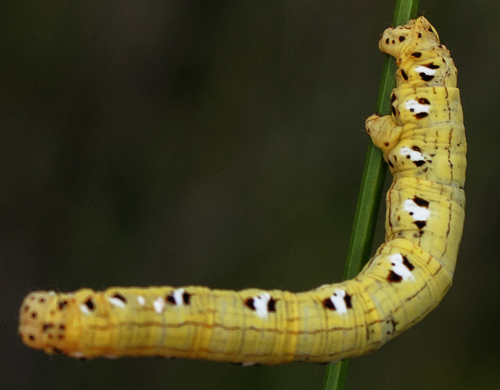
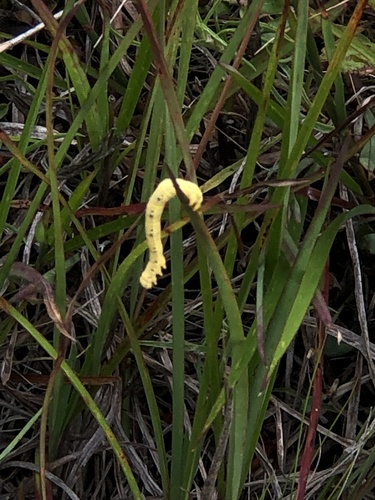
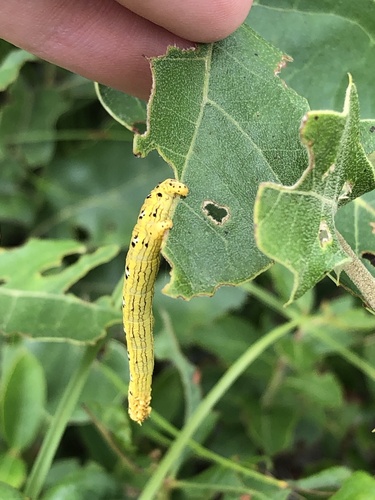
Larvae can be found during the months of June, July, and August.
Source: Wikipedia
Life cycle
The species overwinters in the egg stage. Adults are on the wing from late August to early October, producing one generation each year.
Source: Wikipedia
When you see it
Adults appear in late summer to early fall, specifically late August through early October.
Source: Wikipedia
Where it is found in the US
Recorded in 19 of 51 states and DC. Most records: Michigan, Massachusetts, New York, Pennsylvania, Maine, Minnesota, Ohio, Wisconsin.
Darker = more records. Counts are museum and citizen-science records, not population size.
Source: GBIF
Status: native in North America; native in Canada. Source: iNaturalist
Months it is reported in the US
Source: GBIF
More photos
Questions people ask
When are adult chain-dotted geometer moths active?
Adults fly from late August to early October.
Source: Wikipedia
Same family (Geometridae)




Sources
- Wikipedia: https://en.wikipedia.org/wiki/Cingilia
Look it up elsewhere: GBIF · iNaturalist · BugGuide · ITIS · Wikipedia
Text written 2026-10-24 from the sources above and checked sentence by sentence against them. Data fetched 2026-10-24.