 Bug FAQ
Brown forest flash
Pseudocoremia productata · Order: Lepidoptera · Family: Geometridae
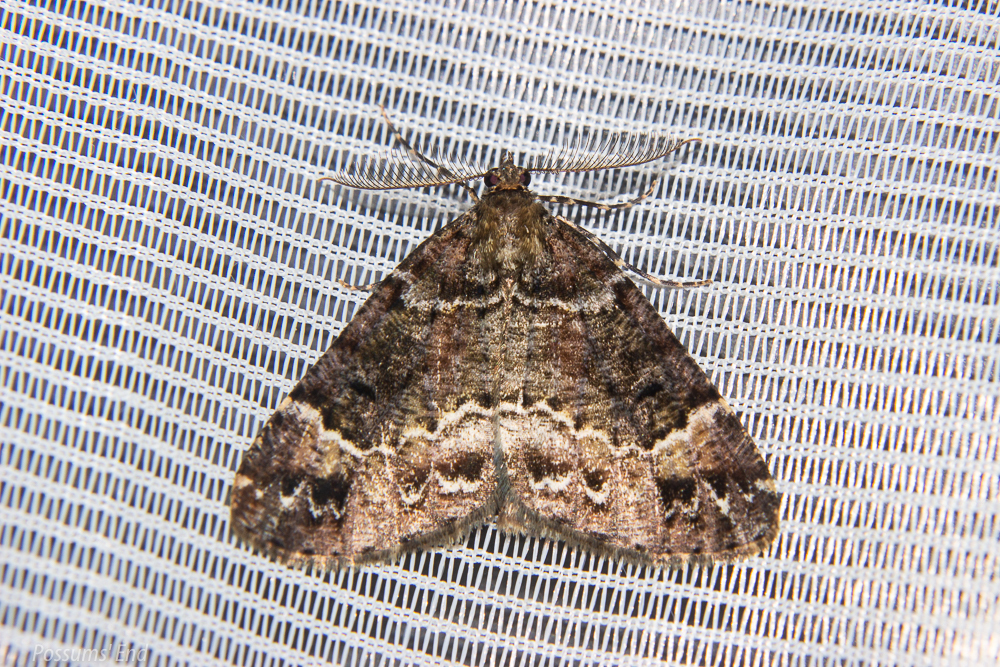
The brown forest flash is a medium-sized moth with males reaching about 35 mm wingspan and females about 29 mm. It lives in New Zealand forests and shrublands, often resting on tree trunks of its host plants and is attracted to late-summer blossoms. The species is active from October to May, appears year-round, and is drawn to light in mature sites.
Source: Wikipedia
How to recognize it
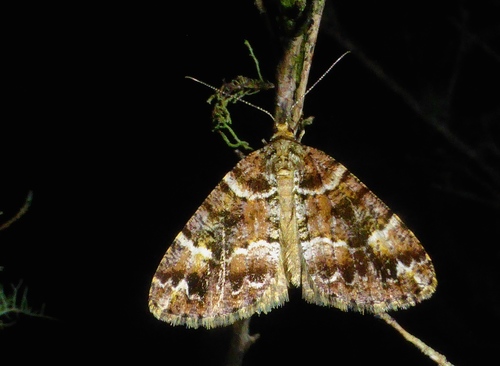
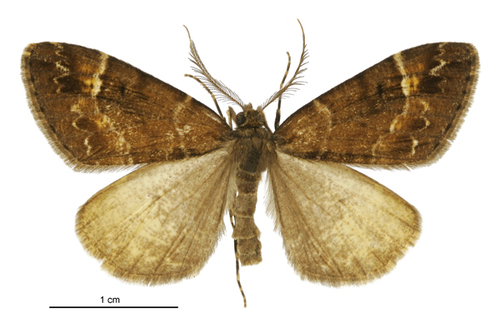
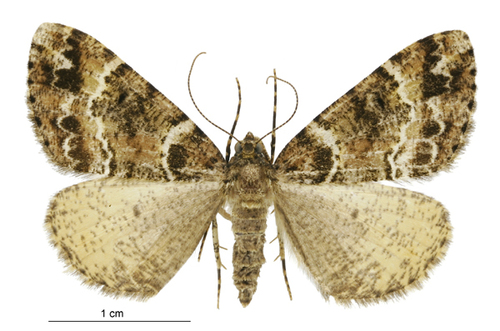
Forewings show wavy patterns ranging from pale yellow-brown to rich chocolate brown. Hindwings are ochreous with mottled grey-brown markings.
Source: Wikipedia
Size
Male wingspan can reach up to 35 mm, while females reach up to 29 mm. Fully grown larvae are about 38 mm long.
Source: Wikipedia
Where it lives
Common in shrublands and forests, often found on tree trunks of its host plant, White Rata. Attracted to late-summer blossoms and occurs on the edges of densely wooded areas.
Source: Wikipedia
What it eats
Primarily feeds on White Rata (Metrosideros seandens). Also recorded on Miro, Southern Rata, and Tutu trees.
Source: Wikipedia
Life cycle
Three generations per year: spring, summer, and autumn. Late-autumn larvae overwinter in cocoons; spring and summer pupae develop in a few weeks.
Source: Wikipedia
When you see it
Most abundant in summer (October-May) but can be seen year-round. Attracted to light in mature habitats.
Source: Wikipedia
Where it comes from
Endemic to New Zealand, present on the North, South, and Stewart Islands. Adults appear from October to May but can be recorded throughout the year.
Source: Wikipedia
Lookalikes
Originally placed in the genus Selidosema before being renamed Pseudocoremia productata in 1862. Many related moths are camouflaged to look like twigs, dead leaves, or bark.
Source: Wikipedia
More photos
Questions people ask
When can I expect to see the brown forest flash?
Adults are most common from October through May, especially in summer, but they may be observed all year.
Source: Wikipedia
What plants does this moth feed on?
It prefers White Rata and has also been recorded feeding on Miro, Southern Rata, and Tutu trees.
Source: Wikipedia
What does the moth look like?
The forewings have wavy patterns from pale yellow-brown to chocolate brown, while the hindwings are ochreous with mottled grey-brown.
Source: Wikipedia
Same family (Geometridae)
 Willow BeautyPeribatodes rhomboidaria
 Pale BeautyCampaea perlataDamages trees, gardens or crops
 Large Lace-border MothScopula limboundataDamages trees, gardens or crops
 Riband WaveIdaea aversata
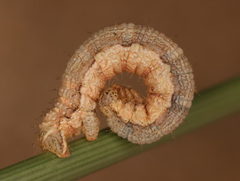 Yellow Shell MothCamptogramma bilineata
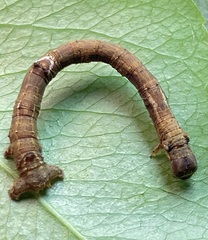 Large Maple Spanworm MothProchoerodes lineolaDamages trees, gardens or crops
Sources
- Wikipedia: https://en.wikipedia.org/wiki/Pseudocoremia_productata
Look it up elsewhere: GBIF · iNaturalist · BugGuide · Wikipedia
Text written 2026-10-23 from the sources above and checked sentence by sentence against them. Data fetched 2026-10-23.