 Bug FAQ
Broad-headed Marsh Fly
Helophilus latifrons · Order: Diptera · Family: Syrphidae
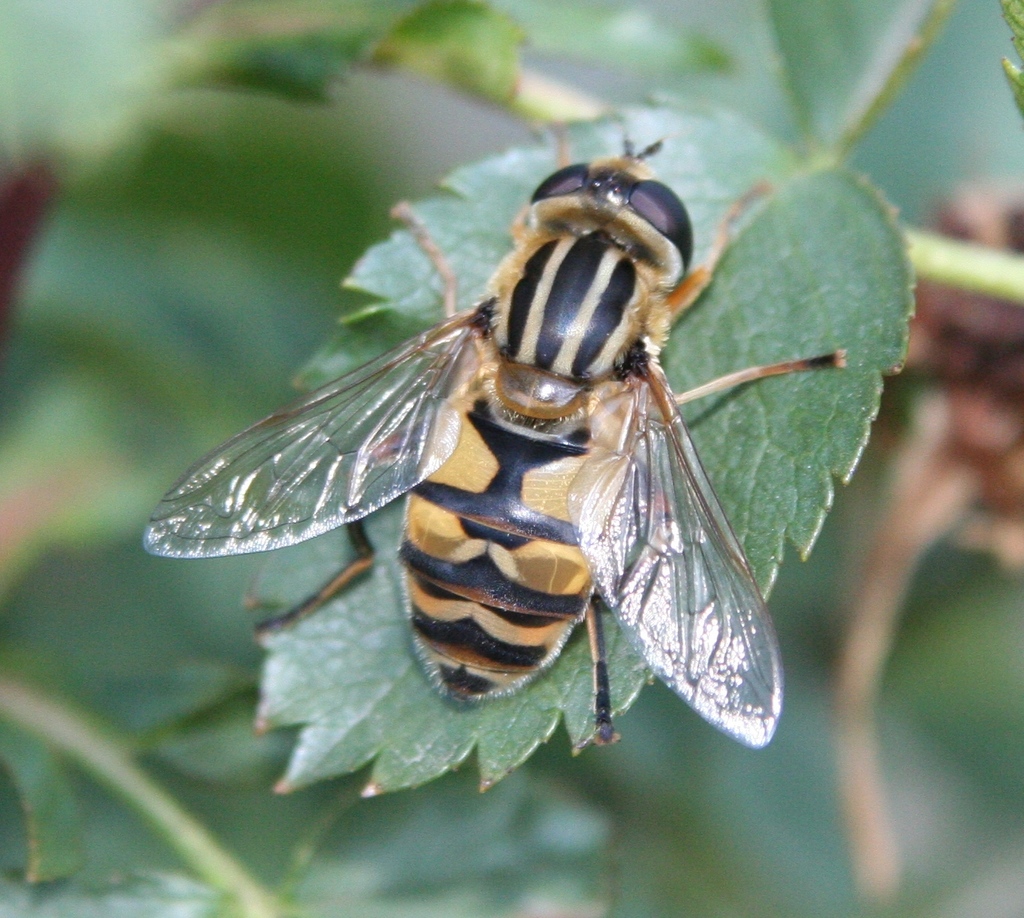
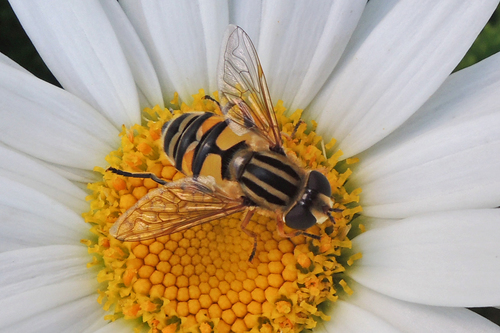
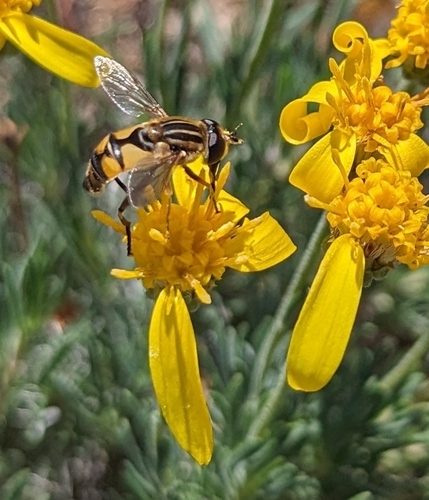
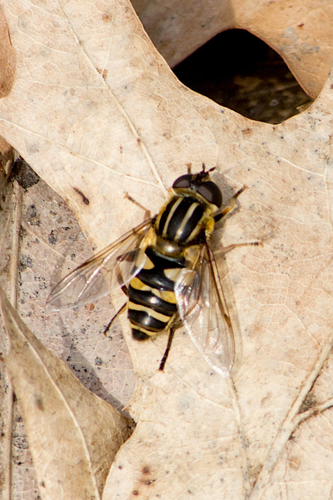
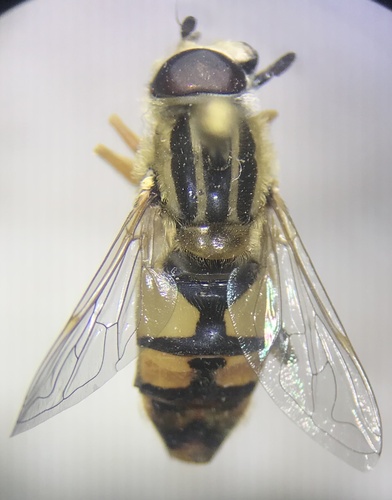
Adult broad-headed marsh flies visit flowers to drink nectar and collect pollen for protein. Their larvae live in water and eat decaying plant material. They are found across the United States, lower Canada, and the mountains of Mexico.
Source: Wikipedia
Where it lives
Adults are commonly seen on flowers where they feed. Larvae develop in aquatic habitats feeding on rotting vegetation.
Source: Wikipedia
What it eats
Adult flies obtain energy from nectar and protein from pollen on flowers. Larvae feed on decaying plant matter in water.
Source: Wikipedia
Where it is found in the US
Recorded in 40 of 51 states and DC. Most records: California, Nebraska, Colorado, Texas, Washington, Minnesota, Utah, North Dakota.
Darker = more records. Counts are museum and citizen-science records, not population size.
Source: GBIF
Status: native in North America; native in Canada; native in United States. Source: iNaturalist
Months it is reported in the US
Source: GBIF
More photos
Questions people ask
What do adult broad-headed marsh flies eat?
They sip nectar for energy and gather pollen for protein from flowers.
Source: Wikipedia
Where do the larvae live and what do they eat?
The larvae live in aquatic environments and feed on decaying vegetation.
Source: Wikipedia
Same family (Syrphidae)






Sources
- Wikipedia: https://en.wikipedia.org/wiki/Helophilus_latifrons
Look it up elsewhere: GBIF · iNaturalist · BugGuide · ITIS · Wikipedia
Text written 2026-10-23 from the sources above and checked sentence by sentence against them. Data fetched 2026-10-23.