 Bug FAQ
Broad-bordered Yellow Underwing
Noctua fimbriata · Order: Lepidoptera · Family: Noctuidae
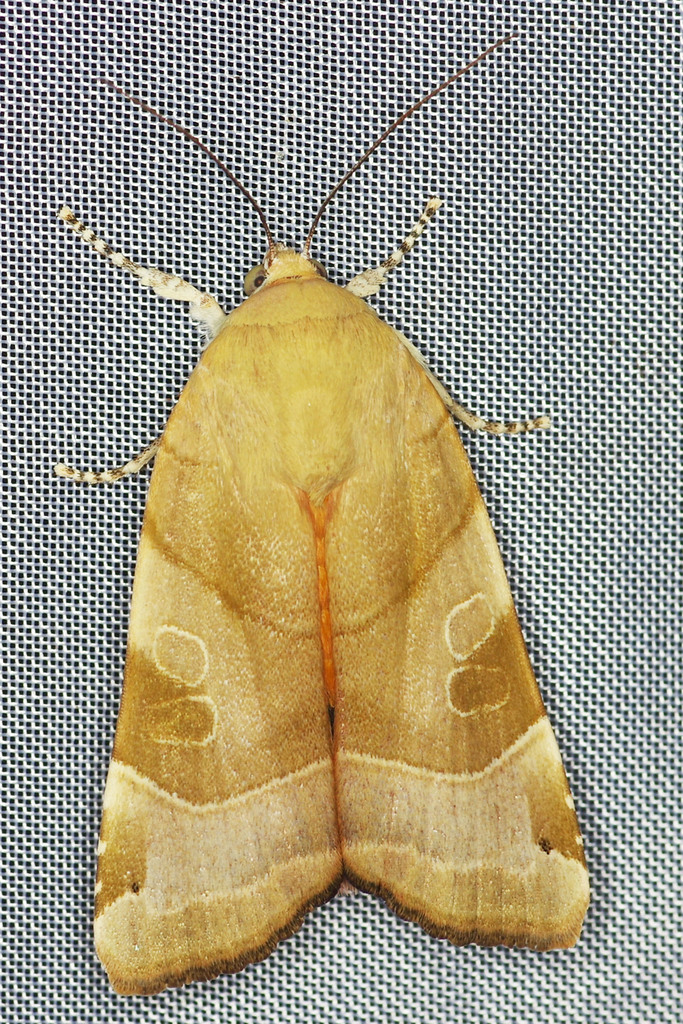
The Broad-bordered Yellow Underwing has a wingspan of 45 to 55 mm and forewings 22 to 27 mm long. It flies in a single generation from late June to October and overwinters as a larva. The larvae eat many plants such as cowslip, dandelion and grapevine.
Source: Wikipedia
How to recognize it
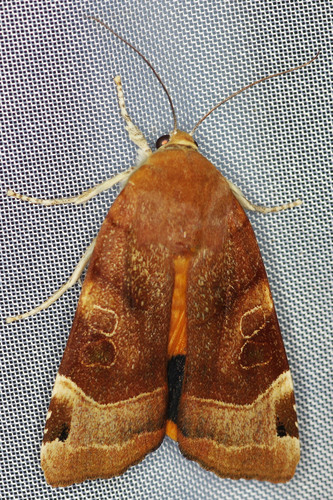
Males have red-brown to olive-green forewings, females pale ochreous to rufous, with a dark inner line, pale outer and submarginal lines, large pale-edged stigmata, and a dark costal blotch; hindwings and fringe are orange with a broad black border.
Source: Wikipedia
Size
Wingspan ranges from 45 to 55 mm. Forewing length is 22 to 27 mm.
Source: Wikipedia
Where it lives
Adults are on the wing from late June through October in one generation. The species overwinters in its larval stage.
Source: Wikipedia
What it eats
Larvae are polyphagous and feed on plants such as cowslip, dandelion and grapevine.
Source: Wikipedia
Life cycle
The species overwinters as a larva.
Source: Wikipedia
When you see it
Flight period is late June to October.
Source: Wikipedia
Where it comes from
The type specimen was described from Germany.
Source: Wikipedia
Lookalikes
In central Europe it is not easily confused with other moths because of its size and forewing pattern. In Mediterranean areas it can be mistaken for the related Noctua tirrenica.
Source: Wikipedia
More photos
Questions people ask
When can I see these moths?
Adults are active from late June through October, in a single generation each year.
Source: Wikipedia
How can I tell this moth apart from similar species?
In central Europe its size and distinctive forewing markings make it unlikely to be confused with other moths, though in Mediterranean regions it resembles Noctua tirrenica.
Source: Wikipedia
Same family (Noctuidae)
 Ipsilon Dart MothAgrotis ipsilonDamages trees, gardens or crops
 Fall Armyworm MothSpodoptera frugiperdaDamages trees, gardens or crops
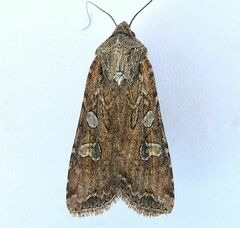 Army Cutworm MothEuxoa auxiliarisDamages trees, gardens or crops
 Large Yellow UnderwingNoctua pronubaDamages trees, gardens or crops
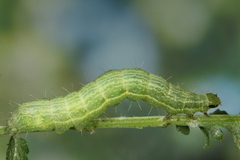 Silver ΥAutographa gamma
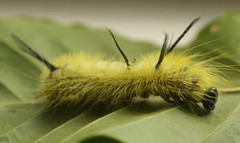 American DaggerAcronicta americanaCan irritate skin
Sources
- Wikipedia: https://en.wikipedia.org/wiki/Noctua_fimbriata
Look it up elsewhere: GBIF · iNaturalist · BugGuide · Wikipedia
Text written 2026-10-22 from the sources above and checked sentence by sentence against them. Data fetched 2026-10-22.