 Bug FAQ
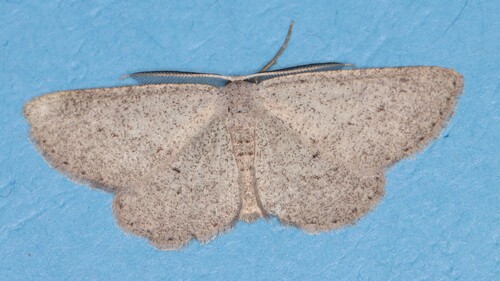
Blueberry Gray
Glena cognataria · Order: Lepidoptera · Family: Geometridae
Also called: Blueberry Gray Moth
Source: Wikipedia
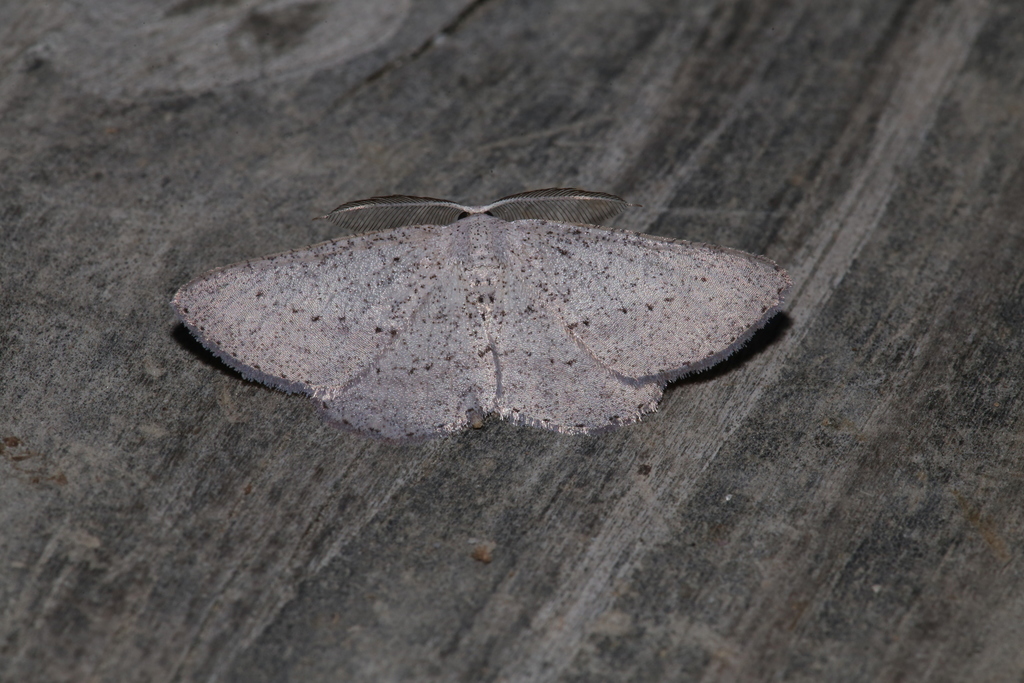
The blueberry gray moth has forewings about 13 to 15 mm long. It lives in bogs and pine barrens across a range from Florida up to Nova Scotia and New Brunswick. Its larvae feed on blueberry plants and a variety of hardwoods such as oak, maple, cherry, willow and poplar.
Source: Wikipedia
Size
Forewing length is roughly 13 to 15 mm.
Source: Wikipedia
Where it lives
It is found in bogs and pine barrens.
Source: Wikipedia
Where it comes from
The species is native to North America, from Florida northward to Nova Scotia and New Brunswick.
Source: Wikipedia
Where it is found in the US
Recorded in 14 of 51 states and DC. Most records: Massachusetts, Florida, New Jersey, North Carolina, Georgia, Maine, Mississippi, New Hampshire.
Darker = more records. Counts are museum and citizen-science records, not population size.
Source: GBIF
Status: native in North America; native in Canada; native in United States. Source: iNaturalist
Months it is reported in the US
Source: GBIF
More photos
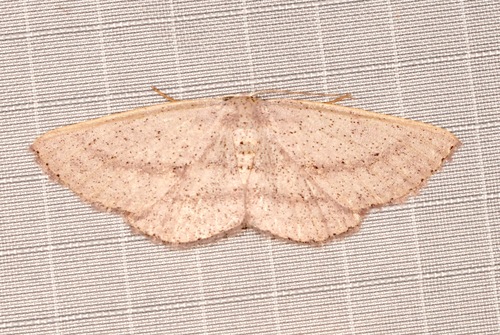
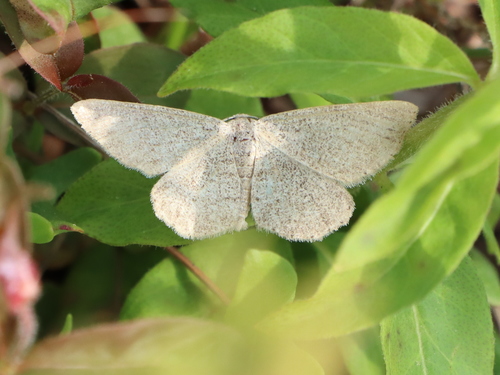
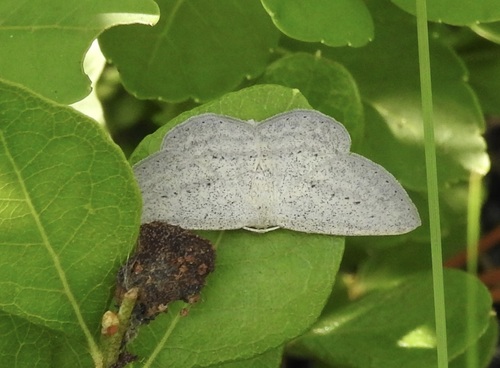
Questions people ask
What plants do the larvae eat?
The larvae feed on blueberry and on hardwood trees such as oak, maple, cherry, willow and poplar.
Source: Wikipedia
Where is the blueberry gray moth found?
It occurs in bogs and pine barrens from Florida up to Nova Scotia and New Brunswick in North America.
Source: Wikipedia
How big is the blueberry gray moth?
Its forewings measure about 13 to 15 mm in length.
Source: Wikipedia
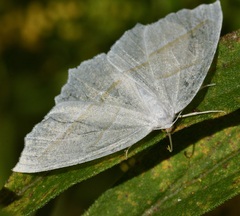
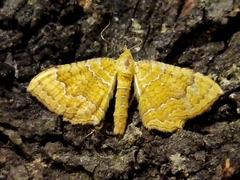
Same family (Geometridae)




Sources
- Wikipedia: https://en.wikipedia.org/wiki/Glena_cognataria
Look it up elsewhere: GBIF · iNaturalist · BugGuide · ITIS · Wikipedia
Text written 2026-10-26 from the sources above and checked sentence by sentence against them. Data fetched 2026-10-26.