 Bug FAQ
Black-legged Gossamer
Megasyrphus laxus · Order: Diptera · Family: Syrphidae
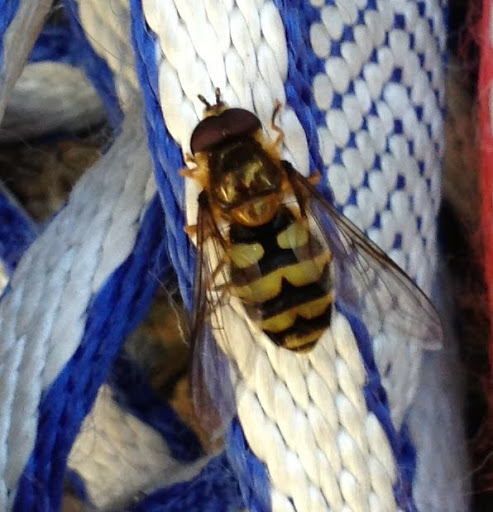
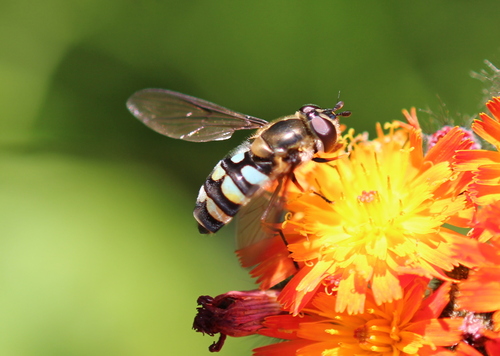
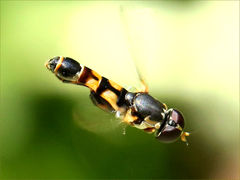
The black-legged gossamer fly (Megasyrphus laxus) is an uncommon syrphid species found across North America. Adults hover almost motionlessly and are frequently seen on flowers where they sip nectar and collect pollen.
Source: Wikipedia
How to recognize it
The black-legged gossamer fly (Megasyrphus laxus) is an uncommon syrphid species found across North America.
Source: Wikipedia
Where it lives
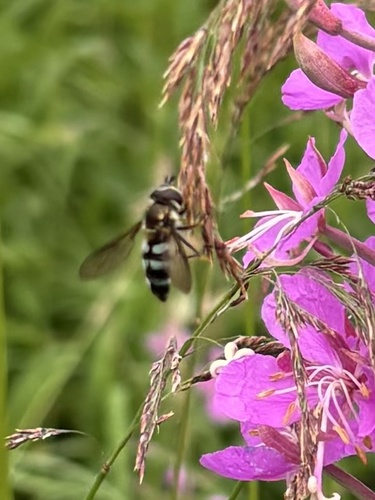
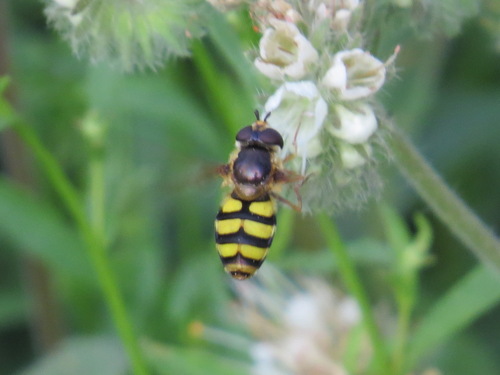
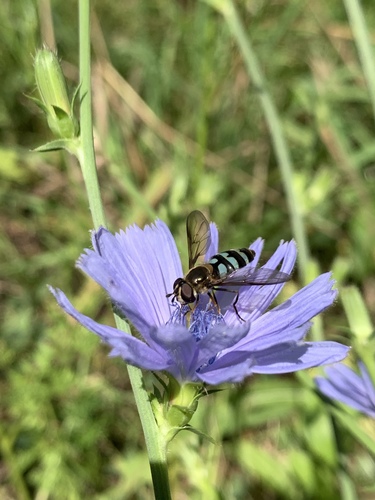
Adults can hover almost motionlessly in flight. They are often seen on flowers where they sip nectar and collect pollen.
Source: Wikipedia
What it eats
They obtain energy from flower nectar and protein from pollen.
Source: Wikipedia
Where it comes from
It occurs throughout North America.
Source: Wikipedia
Where it is found in the US
Recorded in 20 of 51 states and DC. Most records: Washington, Maine, Oregon, Alaska, North Carolina, California, New Hampshire, Idaho.
Darker = more records. Counts are museum and citizen-science records, not population size.
Source: GBIF
Status: native in North America; native in Canada. Source: iNaturalist
Months it is reported in the US
Source: GBIF
More photos
Questions people ask
What do black-legged gossamer flies eat?
Adults feed on flower nectar for energy and pollen for protein.
Source: Wikipedia
Where are black-legged gossamer flies found?
They are observed throughout North America.
Source: Wikipedia
Same family (Syrphidae)


Sources
- Wikipedia: https://en.wikipedia.org/wiki/Megasyrphus_laxus
Look it up elsewhere: GBIF · iNaturalist · BugGuide · Wikipedia
Text written 2026-10-25 from the sources above and checked sentence by sentence against them. Data fetched 2026-10-25.