 Bug FAQ
Beet Armyworm Moth
Spodoptera exigua · Order: Lepidoptera · Family: Noctuidae
Also called: Beet Armyworm, Lesser Army Worm, Small Mottled Willow
Source: Wikipedia
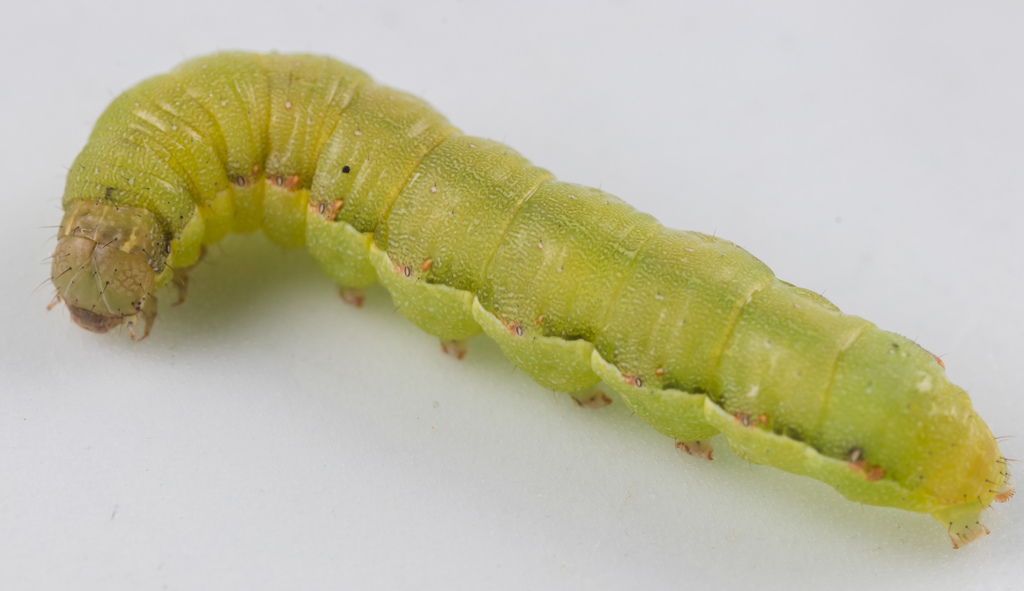
The beet armyworm moth is a small brownish-grey insect with a 26 to 32 mm wingspan and distinctive fore- and hind-wing markings. Its larvae feed on many crops and garden plants, causing serious damage to leaves, buds and developing vegetables. It originates from Southeast Asia, cannot survive cold winters, and is controlled with traps, hand-picking and pesticides.
Source: Wikipedia
How to recognize it
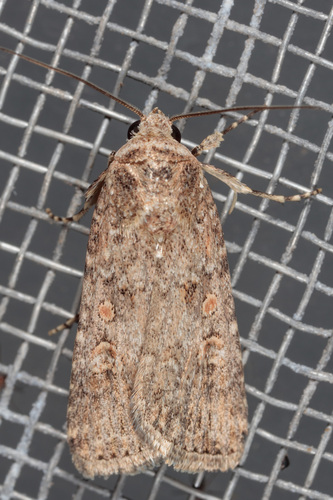
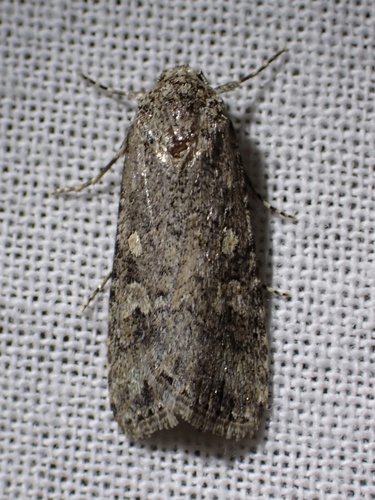
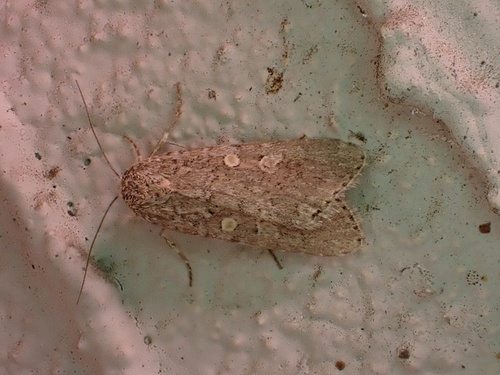
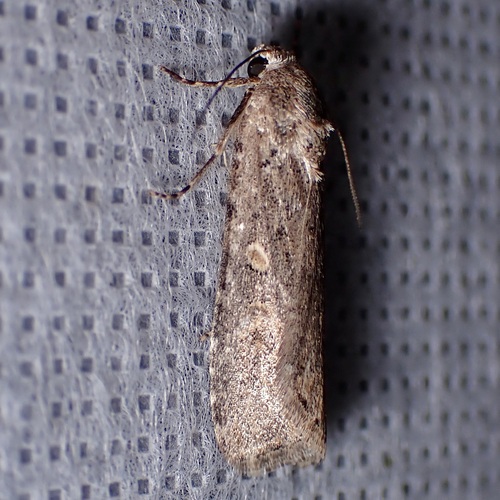
The front wings are a dull yellow-brown with black speckles, while the back wings are almost transparent white with dark veins.
Source: Wikipedia
Size
Adults have a wingspan of about 26 to 32 mm (1 to 1¼ in).
Source: Wikipedia
Is it a pest in the house?
It is a well-known agricultural pest that also attacks buds and new growth, preventing flowers and vegetables from developing.
Source: Wikipedia
How to get rid of it
Pheromone traps and manual removal of adults and caterpillars are common control methods. Chemical pesticides and biological agents are also used extensively.
Source: Wikipedia
Where it lives
The species cannot tolerate cold and dies off in winter unless the area stays warm, such as in Florida or Hawaii.
Source: Wikipedia
What it eats
Larvae eat a huge variety of plants, from asparagus and beans to cotton, cereals, tobacco and many weeds.
Source: Wikipedia
Life cycle
The damaging stage is the voracious caterpillar, also called the asparagus fern caterpillar.
Source: Wikipedia
When you see it
In the British Isles it appears only as an adult called the small mottled willow moth and does not breed there. It was first recorded in North America in Oregon in 1876 and reached Florida by 1924.
Source: Wikipedia
Where it comes from
It is native to Asia, likely originating in Southeast Asian countries.
Source: Wikipedia
Where it is found in the US
Recorded in 42 of 51 states and DC. Most records: California, Texas, Arizona, New Mexico, Mississippi, Kansas, Colorado, Massachusetts.
Darker = more records. Counts are museum and citizen-science records, not population size.
Source: GBIF
Status: introduced in United States. Source: iNaturalist
Months it is reported in the US
Source: GBIF
More photos
Questions people ask
Does the beet armyworm bite or sting people?
No, it does not bite or sting humans; its problem is the damage it causes to plants.
Source: Wikipedia
What plants does it damage?
It feeds on many garden and field crops such as beans, lettuce, tomatoes, cotton, cereals and many weeds.
Source: Wikipedia
How can I get rid of it?
Use pheromone traps, hand-pick the caterpillars, and apply recommended pesticides or biological controls.
Source: Wikipedia
Same family (Noctuidae)
 Ipsilon Dart MothAgrotis ipsilonDamages trees, gardens or crops
 Fall Armyworm MothSpodoptera frugiperdaDamages trees, gardens or crops
 Army Cutworm MothEuxoa auxiliarisDamages trees, gardens or crops
 Large Yellow UnderwingNoctua pronubaDamages trees, gardens or crops
 Silver ΥAutographa gamma
 American DaggerAcronicta americanaCan irritate skin
Sources
- Wikipedia: https://en.wikipedia.org/wiki/Beet_armyworm
Look it up elsewhere: GBIF · iNaturalist · BugGuide · ITIS · Wikipedia
Text written 2026-10-22 from the sources above and checked sentence by sentence against them. Data fetched 2026-10-22.