 Bug FAQ
Becker's White
Pontia beckerii · Order: Lepidoptera · Family: Pieridae
Also called: Great Basin White, Sagebrush White
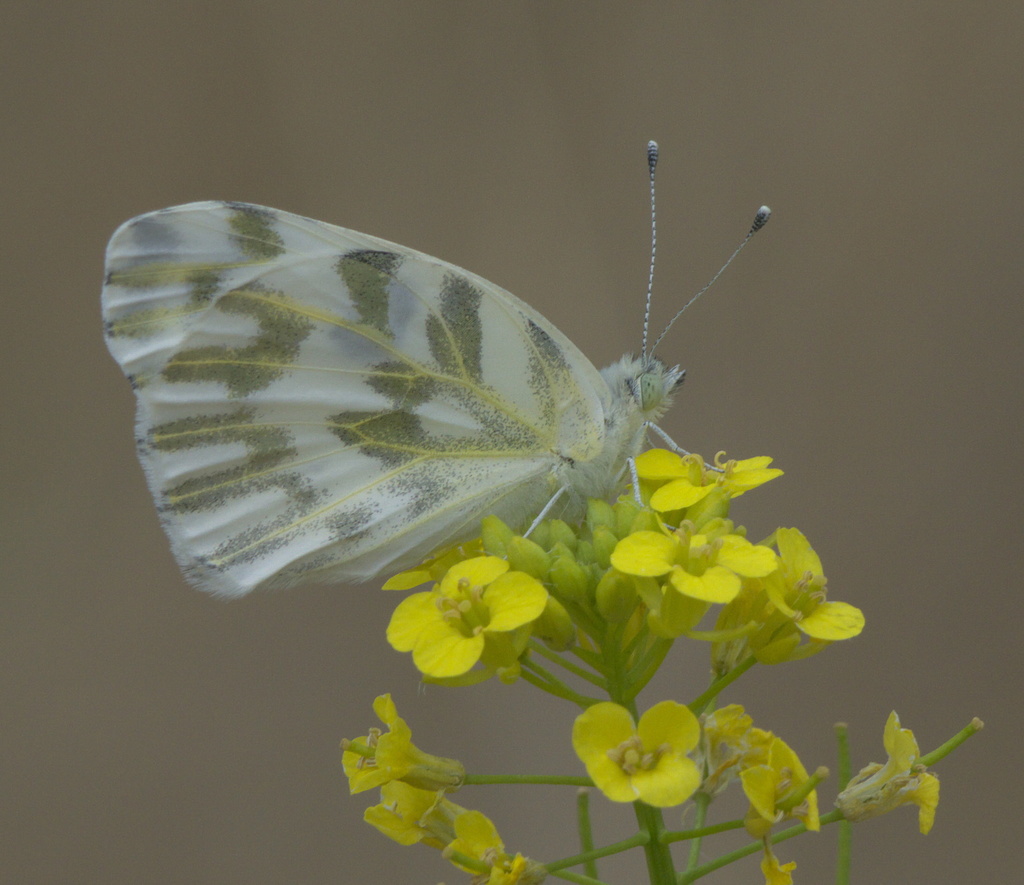
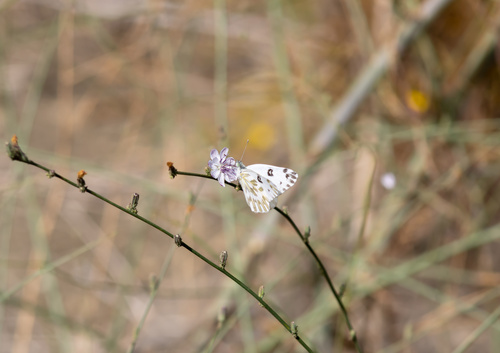
Becker's White is a small butterfly with a wingspan of about 33 to 48 mm. It is mostly white with small black spots, and females show more dark markings. It lives in western North America, from Baja California up to southern British Columbia.
Source: Wikipedia
How to recognize it
The butterfly is primarily white and has small black markings; females have additional dark spots.
Source: Wikipedia
Size
Its wingspan ranges from 33 mm to 48 mm.
Source: Wikipedia
Where it lives
It is found across western North America, from Baja California in Mexico to southern British Columbia in Canada.
Source: Wikipedia
Where it comes from
Becker's White is native to western North America, spanning Baja California to southern British Columbia.
Source: Wikipedia
Lookalikes
It resembles other checkered white butterflies like Pontia sisymbrii, Pontia protodice, and Pontia occidentalis.
Source: Wikipedia
Where it is found in the US
Recorded in 14 of 51 states and DC. Most records: California, Washington, Idaho, Oregon, Utah, Colorado, Nevada, Montana.
Darker = more records. Counts are museum and citizen-science records, not population size.
Source: GBIF
Status: native in North America; native in Canada; native in United States. Source: iNaturalist
Months it is reported in the US
Source: GBIF
More photos
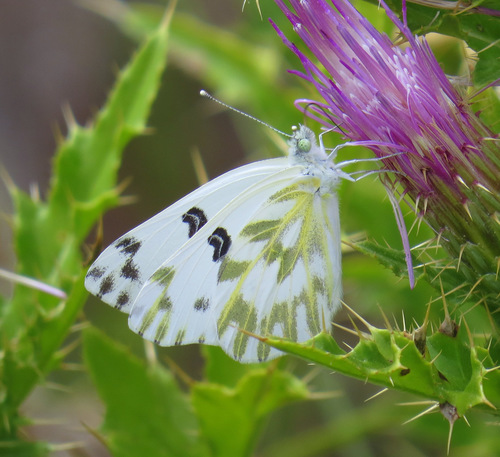
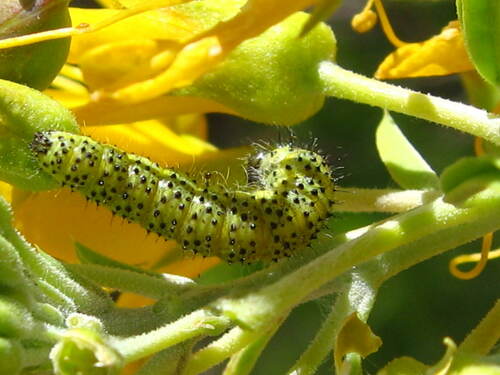
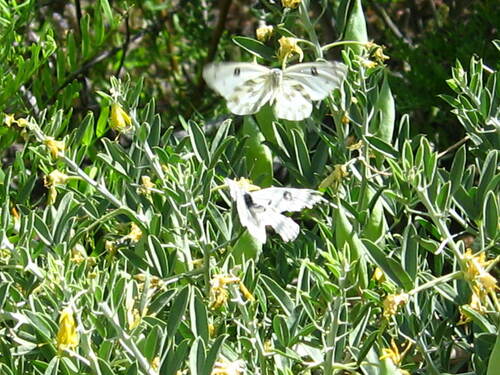
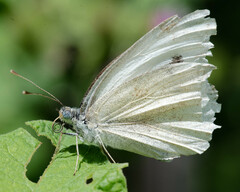
Same family (Pieridae)

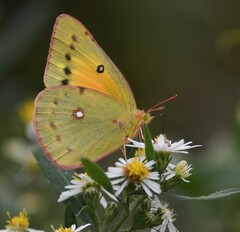
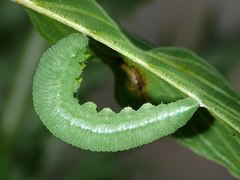

Sources
- Wikipedia: https://en.wikipedia.org/wiki/Pontia_beckerii
Look it up elsewhere: GBIF · iNaturalist · BugGuide · ITIS · Wikipedia
Text written 2026-10-23 from the sources above and checked sentence by sentence against them. Data fetched 2026-10-23.