 Bug FAQ
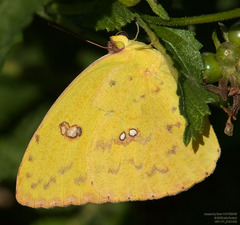
Barred Yellow
Eurema daira · Order: Lepidoptera · Family: Pieridae
Also called: Fairy Yellow, Barred Sulphur
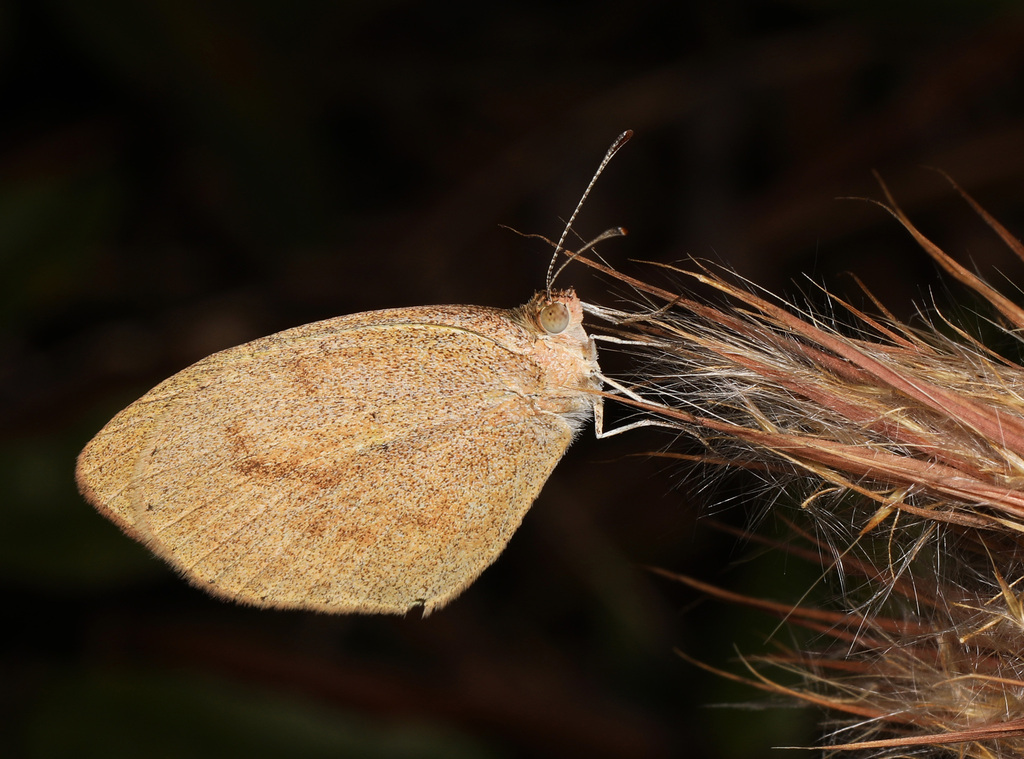
Barred Yellow butterflies have a wingspan of about 32 to 41 mm. They live from Argentina up through the southern United States and occasionally wander farther north. Caterpillars eat legumes such as Stylosanthes biflora, while adults sip nectar from many flowers and help pollinate Cnidoscolus urens.
Source: Wikipedia
How to recognize it
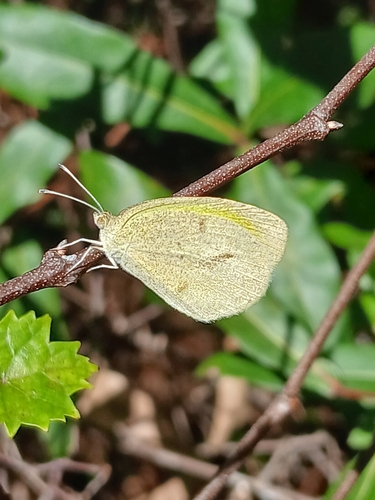
Barred Yellow, also called fairy yellow or barred sulphur, is a butterfly in the Pieridae family.
Source: Wikipedia
Size
Its wingspan ranges from 32 to 41 mm.
Source: Wikipedia
What it eats
Caterpillars feed on legume plants like Stylosanthes biflora and Aeschynomene species.
Source: Wikipedia
Life cycle
Adults are active year-round in the southern part of their range and appear as late-summer or fall visitors farther north.
Source: Wikipedia
When you see it
In the south they can be seen any time of year; elsewhere they show up in late summer and fall.
Source: Wikipedia
Where it comes from
Its native range extends from Argentina up to the southern United States.
Source: Wikipedia
Lookalikes
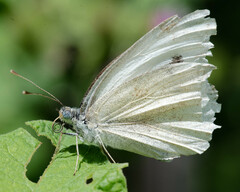
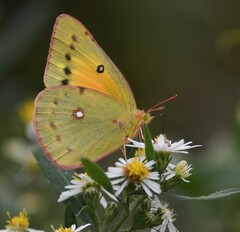
Barred Yellow belongs to the Pieridae family, which includes many similarly colored yellows.
Source: Wikipedia
Where it is found in the US
Recorded in 19 of 51 states and DC. Most records: Florida, Georgia, Mississippi, Louisiana, South Carolina, Alabama, Texas, Arizona.
Darker = more records. Counts are museum and citizen-science records, not population size.
Source: GBIF
Status: native in North America. Source: iNaturalist
Months it is reported in the US
Source: GBIF
More photos
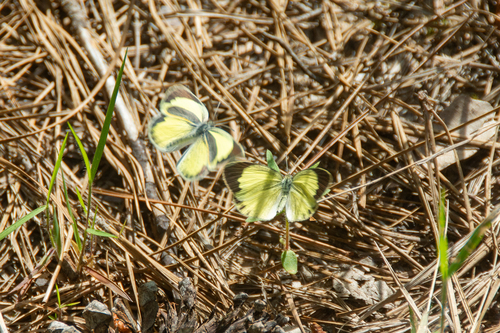
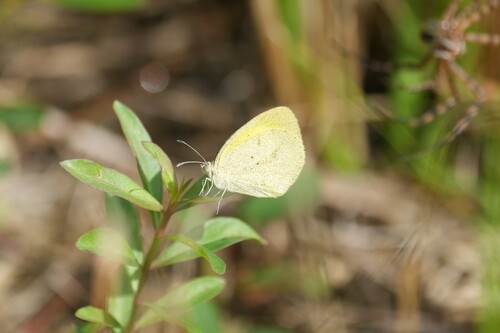
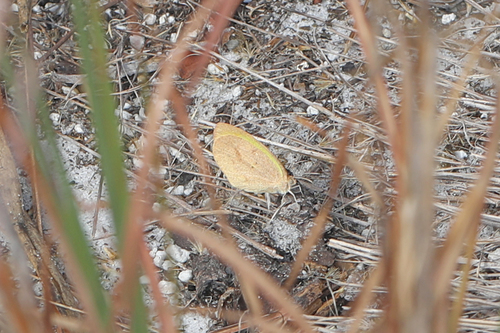
Same family (Pieridae)


Sources
- Wikipedia: https://en.wikipedia.org/wiki/Eurema_daira
Look it up elsewhere: GBIF · iNaturalist · BugGuide · ITIS · Wikipedia
Text written 2026-10-22 from the sources above and checked sentence by sentence against them. Data fetched 2026-10-22.