 Bug FAQ
Arizona Tailless Whip Scorpion
Paraphrynus tokdod · Order: Amblypygi · Family: Phrynidae
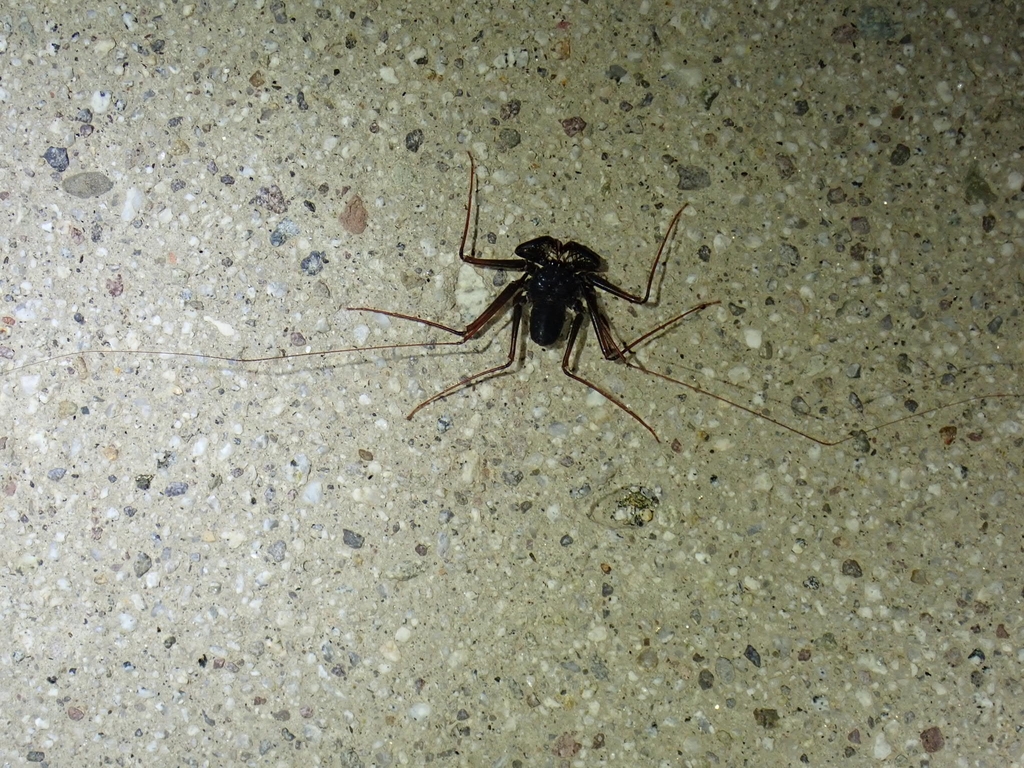
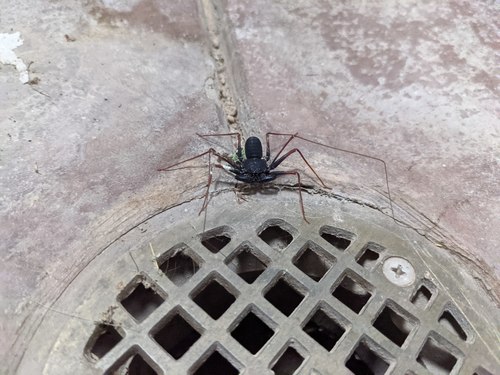
Immature Arizona tailless whip scorpions have black pedipalps that stay black as they grow, unlike other young Paraphrynus species which have red pedipalps. Their walking-leg femurs are black near the body and turn red toward the tip, and they are typically found in rocky hillsides, hiding in crevices or abandoned burrows. The species is mostly found in Arizona and may be endemic to the United States.
Source: Wikipedia
How to recognize it
Young individuals keep black pedipalps throughout life, while other Paraphrynus species have red pedipalps as juveniles. The femurs of the walking legs are black near the body and red toward the end.
Source: Wikipedia
Where it lives
They are collected from rocky hillsides, often living in crevices or in abandoned burrows of other animals.
Source: Wikipedia
Where it comes from
They are primarily found in Arizona.
Source: Wikipedia
Where it is found in the US
Recorded in 4 of 51 states and DC. Most records: Arizona, Florida, California, Nevada.
Darker = more records. Counts are museum and citizen-science records, not population size.
Source: GBIF
Months it is reported in the US
Source: GBIF
More photos
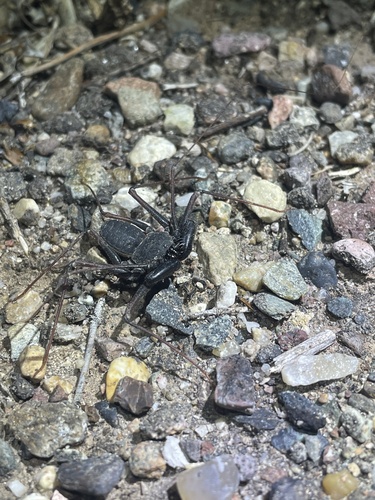
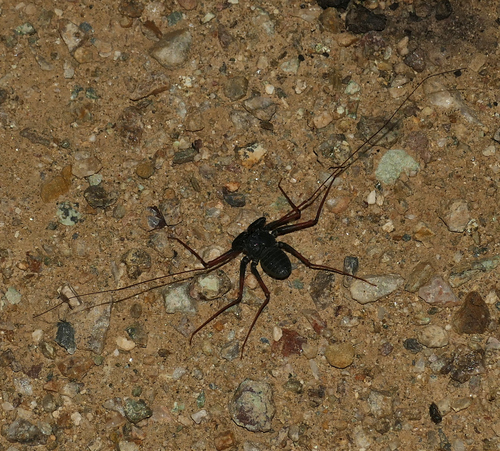
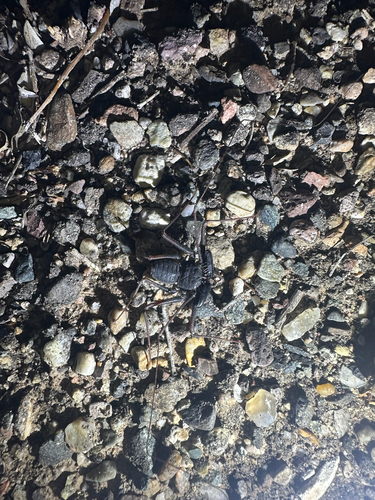
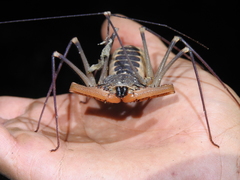
Same family (Phrynidae)
Sources
- Wikipedia: https://en.wikipedia.org/wiki/Paraphrynus_tokdod
Look it up elsewhere: GBIF · iNaturalist · BugGuide · ITIS · Wikipedia
Text written 2026-10-23 from the sources above and checked sentence by sentence against them. Data fetched 2026-10-23.