 Bug FAQ
Arhaphe arguta
Arhaphe arguta · Order: Hemiptera · Family: Largidae
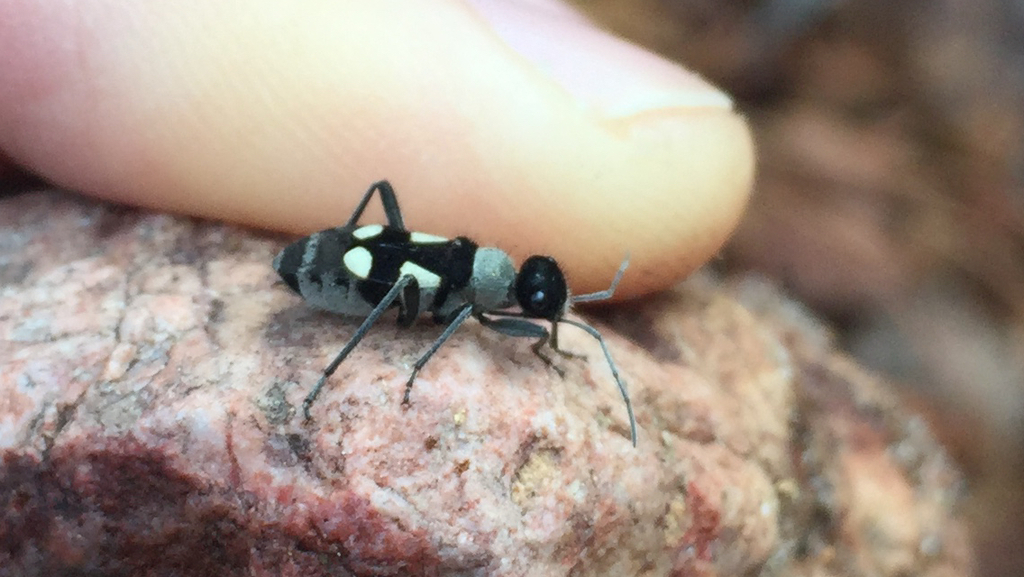
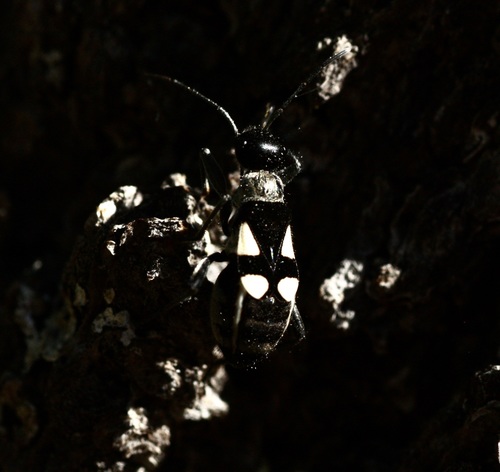
Arhaphe arguta is a bordered plant bug about 9 to 10 mm long. It lives in the southern United States and Mexico, especially in mountainous canyons, creek beds, and near caves or dams. Adults are most common from August to September, while larvae appear in late summer and early fall.
Source: Wikipedia
Size
The bug measures roughly 9 to 10 mm in length.
Source: Wikipedia
Where it lives
It is found in mountainous areas such as canyon creek banks, mountain saddles, and places near caves and dams.
Source: Wikipedia
Life cycle
Adults are active from April through October, with most seen in August and September. Larvae are mainly collected in August and September, occasionally into October.
Source: Wikipedia
When you see it
The species is active from April to October, peaking in late summer.
Source: Wikipedia
Where it comes from
Arhaphe arguta occurs in the southern United States and Mexico.
Source: Wikipedia
Where it is found in the US
Recorded in 2 of 51 states and DC. Most records: Arizona, New Mexico.
Darker = more records. Counts are museum and citizen-science records, not population size.
Source: GBIF
Months it is reported in the US
Source: GBIF
More photos
Questions people ask
When are Arhaphe arguta bugs most active?
They are active from April to October, with the highest numbers of adults in August and September.
Source: Wikipedia
Where does Arhaphe arguta live?
They inhabit mountainous canyons, creek beds, and areas near caves or dams in the southern United States and Mexico.
Source: Wikipedia
Same family (Largidae)
Sources
- Wikipedia: https://en.wikipedia.org/wiki/Arhaphe_arguta
Look it up elsewhere: GBIF · iNaturalist · BugGuide · Wikipedia
Text written 2026-10-27 from the sources above and checked sentence by sentence against them. Data fetched 2026-10-27.