 Bug FAQ
American Oak Beauty
Phaeoura quernaria · Order: Lepidoptera · Family: Geometridae
Also called: Oak Beauty, Oak Beauty Moth
Source: Wikipedia
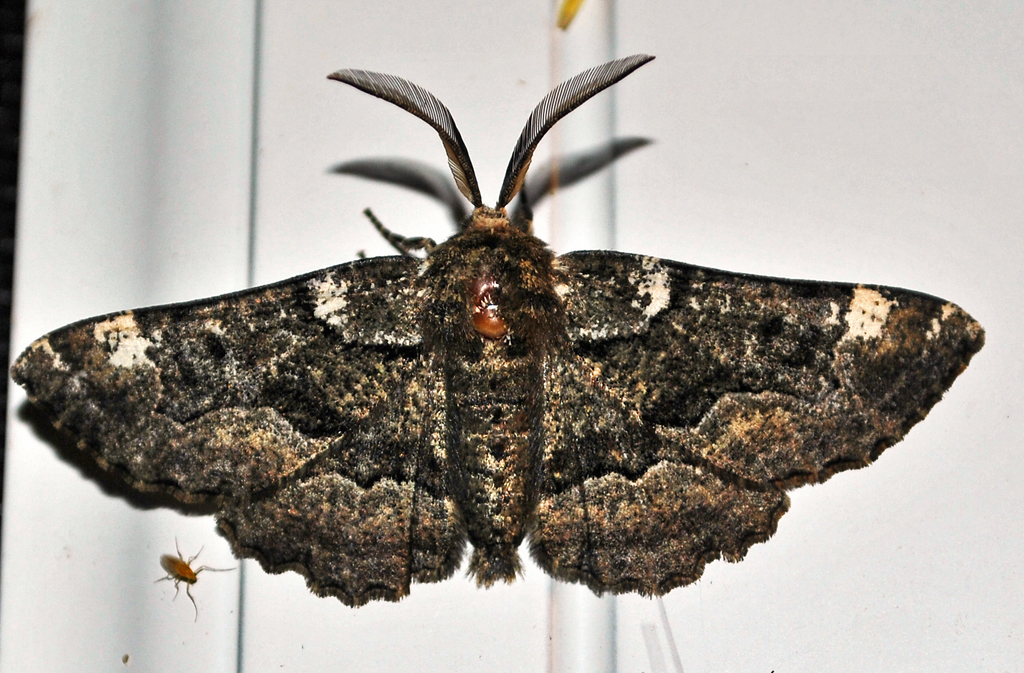
The American oak beauty has a wingspan of about 37 to 56 mm. It lives in eastern North America, reaching as far west as east-central Alberta. Adults are on the wing from February through October in the southern part of its range, producing two generations per year.
Source: Wikipedia
Size
The wingspan ranges between 37 and 56 mm.
Source: Wikipedia
Where it lives
It inhabits aspen-cherry shrubland.
Source: Wikipedia
What it eats
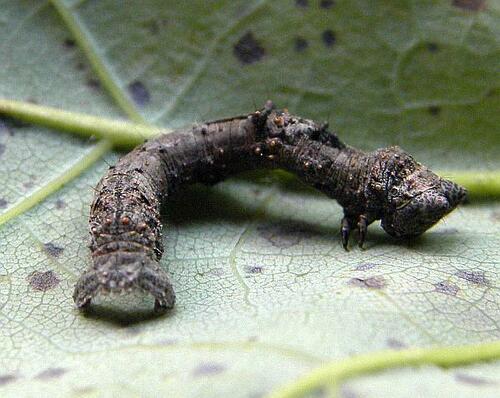
The larvae eat a variety of hardwood trees such as paper birch, willows, poplars and plum species.
Source: Wikipedia
Life cycle
The species overwinters in the pupal stage.
Source: Wikipedia
Where it comes from
It is native to eastern North America and extends west to east-central Alberta.
Source: Wikipedia
Where it is found in the US
Recorded in 41 of 51 states and DC. Most records: Texas, Massachusetts, Florida, Pennsylvania, Maryland, Connecticut, Ohio, Alabama.
Darker = more records. Counts are museum and citizen-science records, not population size.
Source: GBIF
Status: native in North America; native in Canada; native in United States. Source: iNaturalist
Months it is reported in the US
Source: GBIF
More photos
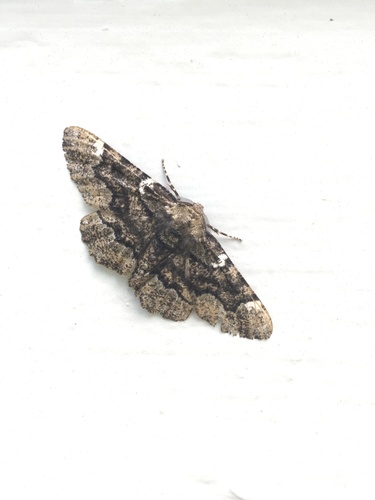
Questions people ask
What trees do the caterpillars feed on?
They feed on hardwoods like paper birch, willows, poplars and plum species.
Source: Wikipedia
Where is this moth found?
It occurs in eastern North America, extending west to east-central Alberta.
Source: Wikipedia
Same family (Geometridae)
 Willow BeautyPeribatodes rhomboidaria
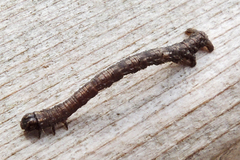 Pale BeautyCampaea perlataDamages trees, gardens or crops
 Large Lace-border MothScopula limboundataDamages trees, gardens or crops
 Riband WaveIdaea aversata
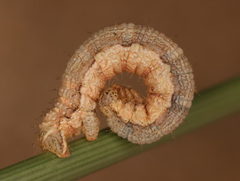 Yellow Shell MothCamptogramma bilineata
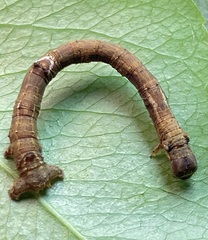 Large Maple Spanworm MothProchoerodes lineolaDamages trees, gardens or crops
Sources
- Wikipedia: https://en.wikipedia.org/wiki/Phaeoura_quernaria
Look it up elsewhere: GBIF · iNaturalist · BugGuide · ITIS · Wikipedia
Text written 2026-10-23 from the sources above and checked sentence by sentence against them. Data fetched 2026-10-23.