 Bug FAQ
African Migrant
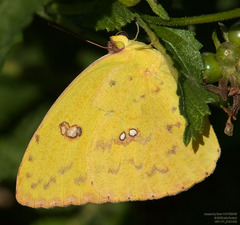
Catopsilia florella · Order: Lepidoptera · Family: Pieridae
Also called: African Emigrant, Common Vagrant
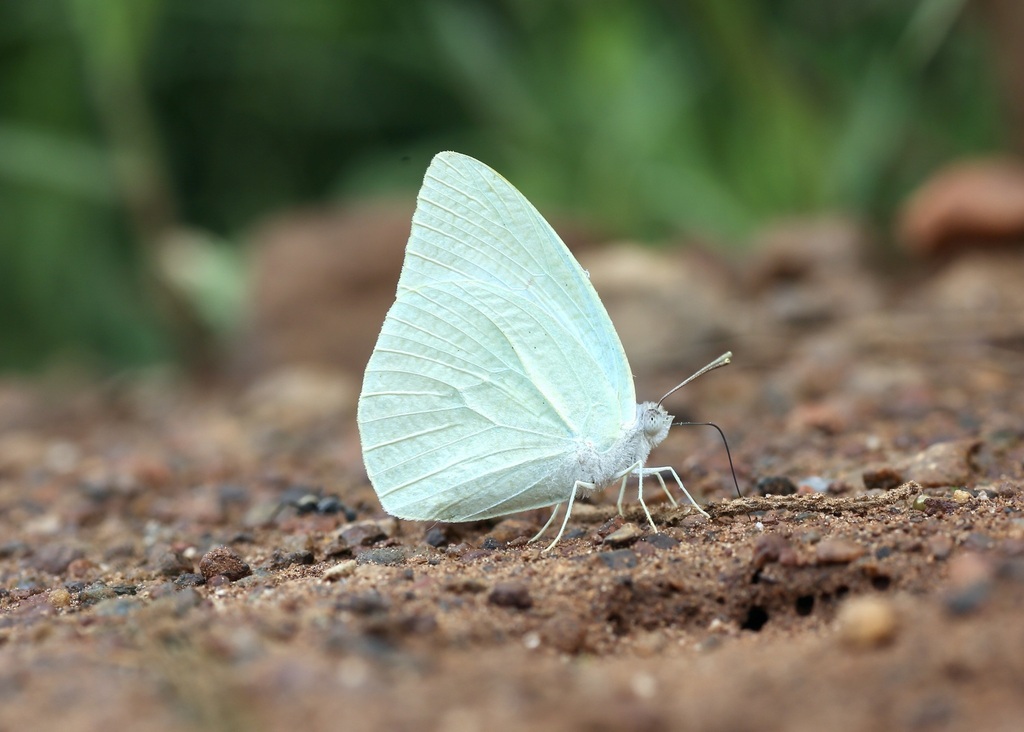
The African migrant is a butterfly in the Pieridae family, known scientifically as Catopsilia florella. Adults are active all year, and in South Africa they migrate from summer into autumn.
Source: Wikipedia
Size
Males have a wingspan of about 54 to 60 mm, while females are slightly larger at 56 to 66 mm.
Source: Wikipedia
Where it lives
It lives across Africa, including Madagascar, as well as parts of Arabia and the Canary Islands.
Source: Wikipedia
What it eats
Caterpillars feed on several Senna and Cassia species such as Senna occidentalis and Cassia fistula.
Source: Wikipedia
Life cycle
Adults can be seen flying throughout the year.
Source: Wikipedia
When you see it
In South Africa, adults migrate from the summer months into autumn.
Source: Wikipedia
Where it comes from
Its native range covers Africa, Madagascar, the Arabian Peninsula and the Canary Islands.
Source: Wikipedia
Lookalikes
Older records of this species in Asia were likely confused with the variable female Catopsilia pyranthe.
Source: Wikipedia
More photos

Questions people ask
How can I tell the African migrant apart from similar butterflies?
Look for a wingspan of roughly 55 to 65 mm and check the region; it is common in Africa and nearby islands, while similar species may occur elsewhere.
Source: Wikipedia
Do the caterpillars damage garden plants?
The larvae feed on specific Senna and Cassia plants, not on typical garden vegetables or fruits.
Source: Wikipedia
Same family (Pieridae)


Sources
- Wikipedia: https://en.wikipedia.org/wiki/Catopsilia_florella
Look it up elsewhere: GBIF · iNaturalist · BugGuide · Wikipedia
Text written 2026-10-22 from the sources above and checked sentence by sentence against them. Data fetched 2026-10-22.