 Bug FAQ
White-Striped Centipede
Henia vesuviana · Order: Geophilomorpha · Family: Dignathodontidae
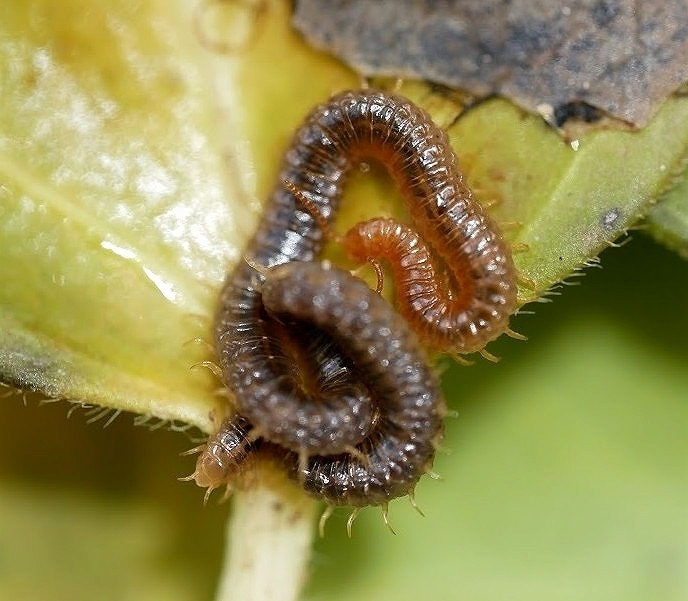
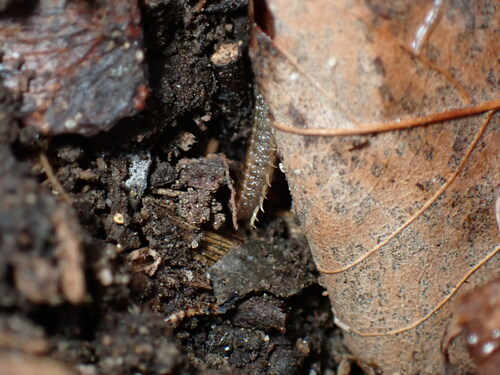
The white-striped centipede can grow up to about 95 mm (3.7 in) long. It lives in urban and farm soils, hides under logs or stones during the day, and has been seen eating a millipede.
Source: Wikipedia
Where it lives
It prefers urban sites and arable soils.
Source: Wikipedia
Where it comes from
It is found throughout western Europe, reaching as far east as Austria. In the United Kingdom it is nationally scarce but more common around Greater London and coastal areas.
Source: Wikipedia
Where it is found in the US
Recorded in 3 of 51 states and DC. Most records: New York, Massachusetts, Utah.
Darker = more records. Counts are museum and citizen-science records, not population size.
Source: GBIF
Status: introduced in North America; introduced in Canada; introduced in United States. Source: iNaturalist
Months it is reported in the US
Source: GBIF
More photos
Questions people ask
Where might I find this centipede in my garden?
It tends to live in urban or farm soils and hides under logs, stones, or other cover during the day.
Source: Wikipedia
What does this centipede eat?
It has been seen feeding on a millipede belonging to the family Blaniulidae.
Source: Wikipedia
Sources
- Wikipedia: https://en.wikipedia.org/wiki/Henia_vesuviana
Look it up elsewhere: GBIF · iNaturalist · BugGuide · ITIS · Wikipedia
Text written 2026-10-23 from the sources above and checked sentence by sentence against them. Data fetched 2026-10-23.