 Bug FAQ
Western Big-eyed Bug
Geocoris pallens · Order: Hemiptera · Family: Geocoridae
Also called: Big-eyed bug
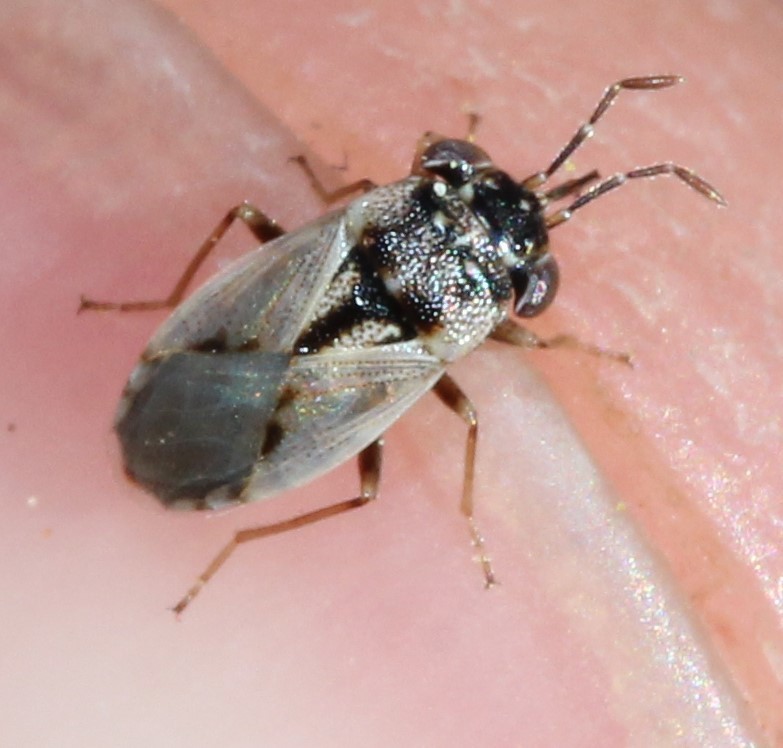
The Western big-eyed bug lives in Central America, North America and parts of Oceania. Both adults and nymphs hunt other insects such as aphids, leafhoppers and seed bugs. Adults are active from spring through summer.
Source: Wikipedia
What it eats
It is carnivorous and feeds on aphids, leafhoppers and seed bugs, helping control those pests.
Source: Wikipedia
When you see it
Adults are active from spring to summer.
Source: Wikipedia
Where it is found in the US
Recorded in 19 of 51 states and DC. Most records: Arizona, California, Utah, New Mexico, Hawaii, Oklahoma, Nevada, Washington.
Darker = more records. Counts are museum and citizen-science records, not population size.
Source: GBIF
Status: native in North America; native in Canada; native in United States. Source: iNaturalist
Months it is reported in the US
Source: GBIF
More photos
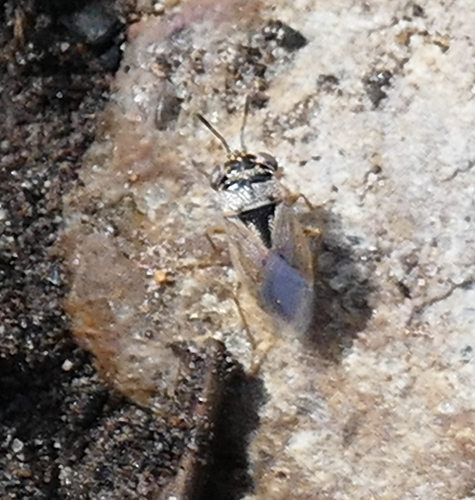
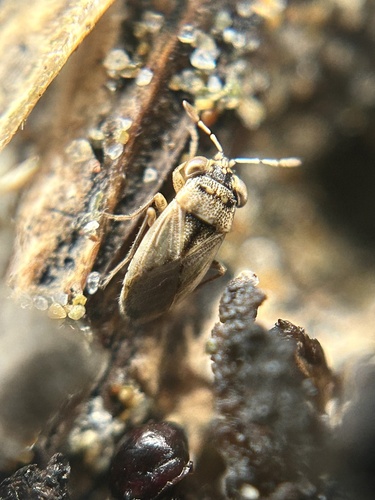
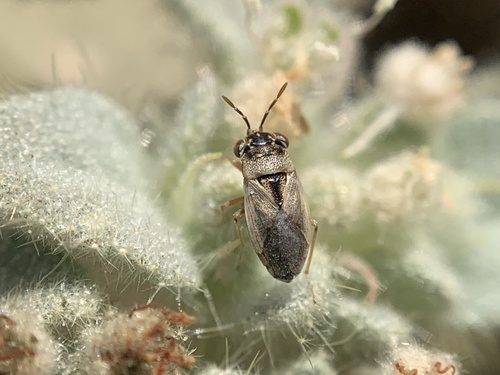
Questions people ask
Where is the Western big-eyed bug found?
It occurs in Central America, North America and Oceania.
Source: Wikipedia
What does the Western big-eyed bug eat?
It preys on aphids, leafhoppers and seed bugs.
Source: Wikipedia
When are adult Western big-eyed bugs active?
Adults are active from spring through summer.
Source: Wikipedia
Sources
- Wikipedia: https://en.wikipedia.org/wiki/Geocoris_pallens
Look it up elsewhere: GBIF · iNaturalist · BugGuide · ITIS · Wikipedia
Text written 2026-10-25 from the sources above and checked sentence by sentence against them. Data fetched 2026-10-25.