 Bug FAQ
Vivid Dancer
Argia vivida · Order: Odonata · Family: Coenagrionidae
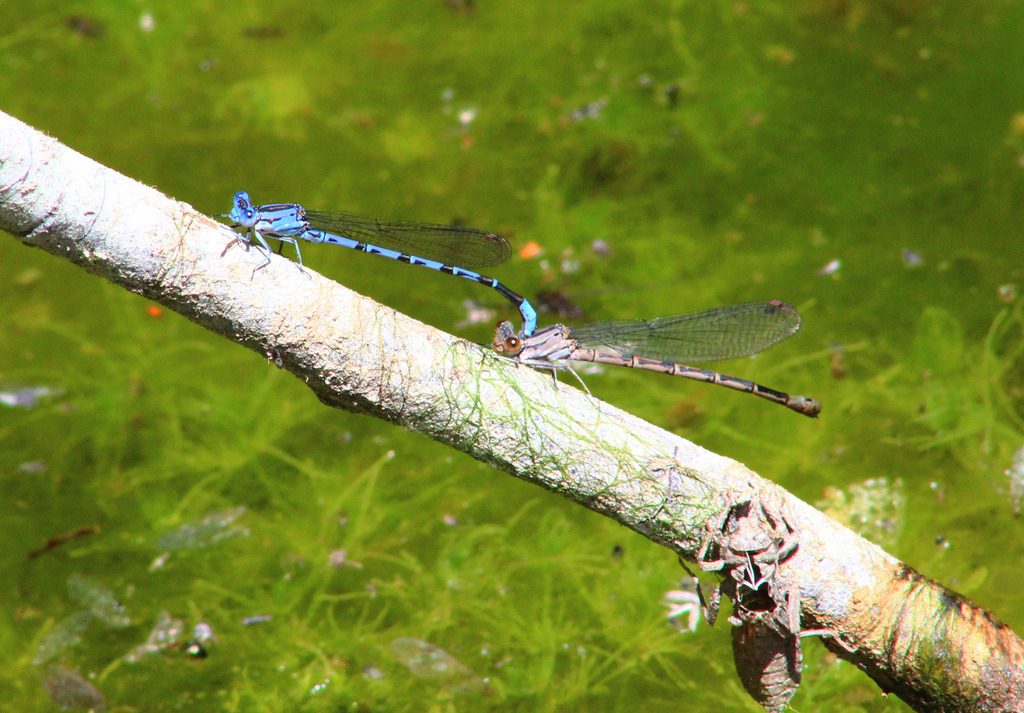
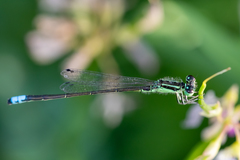
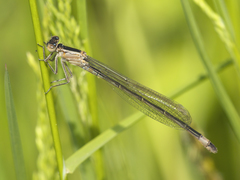
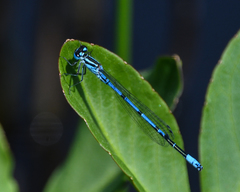
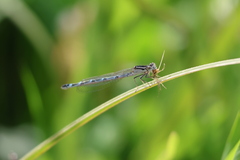
Vivid Dancer damselflies are usually bright blue, but females can be blue or red-brown depending on their morph. They live in forested springs in Central and North America, preferring dense trees with some open patches for temperature regulation. Larvae are aquatic and eat small water insects, while adults catch small flying insects.
Source: Wikipedia
Where it lives
They are commonly found in springs and forested areas of Central and North America. Ideal habitat includes dense forest with some cleared or thinned patches to help them regulate temperature.
Source: Wikipedia
What it eats
Aquatic larvae feed on small water invertebrates such as mosquito and mayfly larvae. Adult damselflies eat small flying insects.
Source: Wikipedia
Life cycle
In warm springs the life cycle takes about one year, but in cooler springs it can last two to three years.
Source: Wikipedia
When you see it
Adults emerge from April through October, depending on temperature.
Source: Wikipedia
Where it comes from
Their range covers springs and forests throughout Central and North America.
Source: Wikipedia
Where it is found in the US
Recorded in 19 of 51 states and DC. Most records: California, Oregon, Utah, Nevada, Colorado, Washington, Idaho, Arizona.
Darker = more records. Counts are museum and citizen-science records, not population size.
Source: GBIF
Status: native in North America; native in Canada; native in United States. Source: iNaturalist
Months it is reported in the US
Source: GBIF
More photos

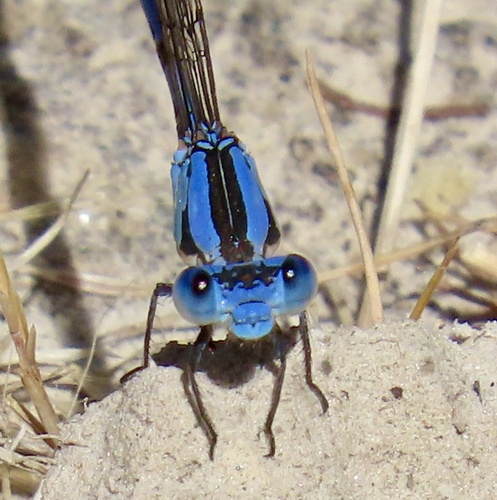
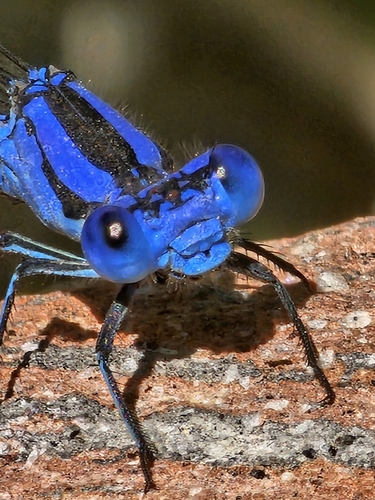
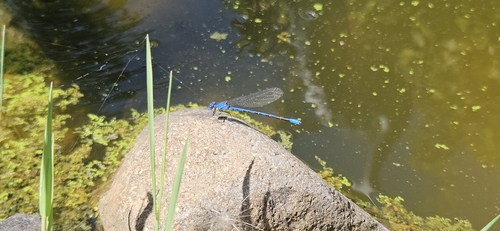
Same family (Coenagrionidae)


Sources
- Wikipedia: https://en.wikipedia.org/wiki/Argia_vivida
Look it up elsewhere: GBIF · iNaturalist · BugGuide · ITIS · Wikipedia
Text written 2026-10-22 from the sources above and checked sentence by sentence against them. Data fetched 2026-10-22.