 Bug FAQ
Thistledown Velvet Ant
Dasymutilla gloriosa · Order: Hymenoptera · Family: Mutillidae
Also called: Glorious velvet ant
Source: Wikipedia
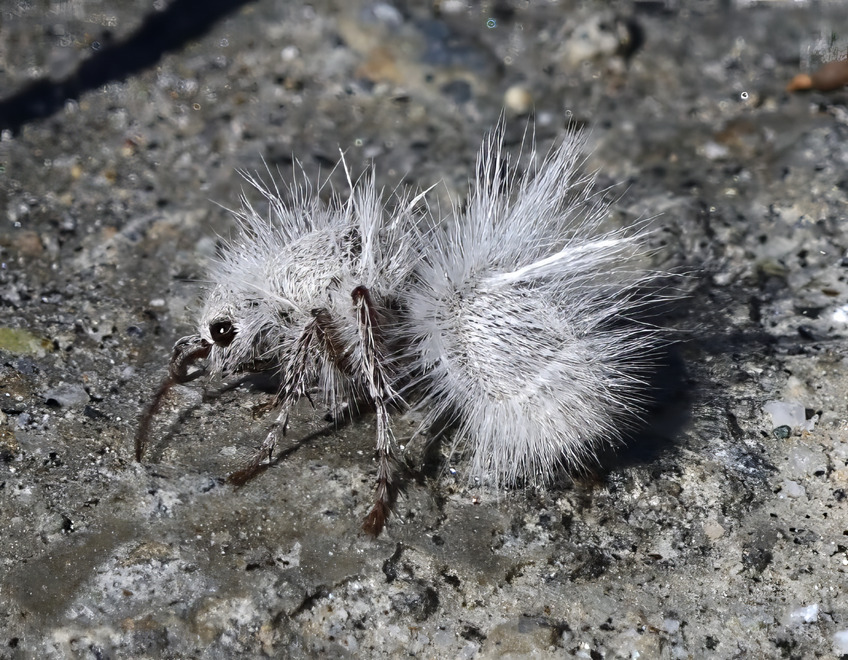
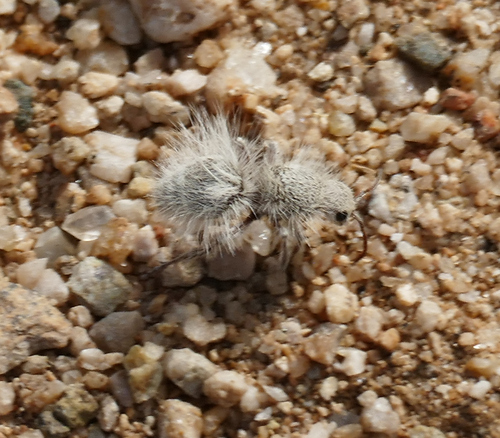
The thistledown velvet ant is a mid-sized mutillid that looks like the fruit of creosotebush for camouflage. It occurs from Utah and Nevada through California, Arizona, New Mexico, Texas and into Mexico, and females can sting painfully.
Source: Wikipedia
How to recognize it
Females blend in with creosotebush fruit rather than showing bright warning colors.
Source: Wikipedia
Size
It is larger than the smallest mutillids like Dasymutilla vesta but smaller than the biggest like Dasymutilla klugii.
Source: Wikipedia
Does it bite or sting?
Females can defend themselves with a very painful sting. The sting is stronger than that of smaller velvet ants but not as strong as that of the largest species.
Source: Wikipedia
Where it lives
It lives in the western United States and northern Mexico.
Source: Wikipedia
Where it is found in the US
Recorded in 8 of 51 states and DC. Most records: Arizona, California, Texas, New Mexico, Nevada, Utah, Idaho, Colorado.
Darker = more records. Counts are museum and citizen-science records, not population size.
Source: GBIF
Status: native in North America; native in United States. Source: iNaturalist
Months it is reported in the US
Source: GBIF
More photos
Questions people ask
Do they sting?
Yes, females can deliver a painful sting that is moderate in strength compared with other velvet ants.
Source: Wikipedia
Same family (Mutillidae)


Sources
- Wikipedia: https://en.wikipedia.org/wiki/Dasymutilla_gloriosa
Look it up elsewhere: GBIF · iNaturalist · BugGuide · Wikipedia
Text written 2026-10-24 from the sources above and checked sentence by sentence against them. Data fetched 2026-10-24.