 Bug FAQ
Snow Scorpionfly
Boreus hyemalis · Order: Mecoptera · Family: Boreidae
Also called: Snow Flea
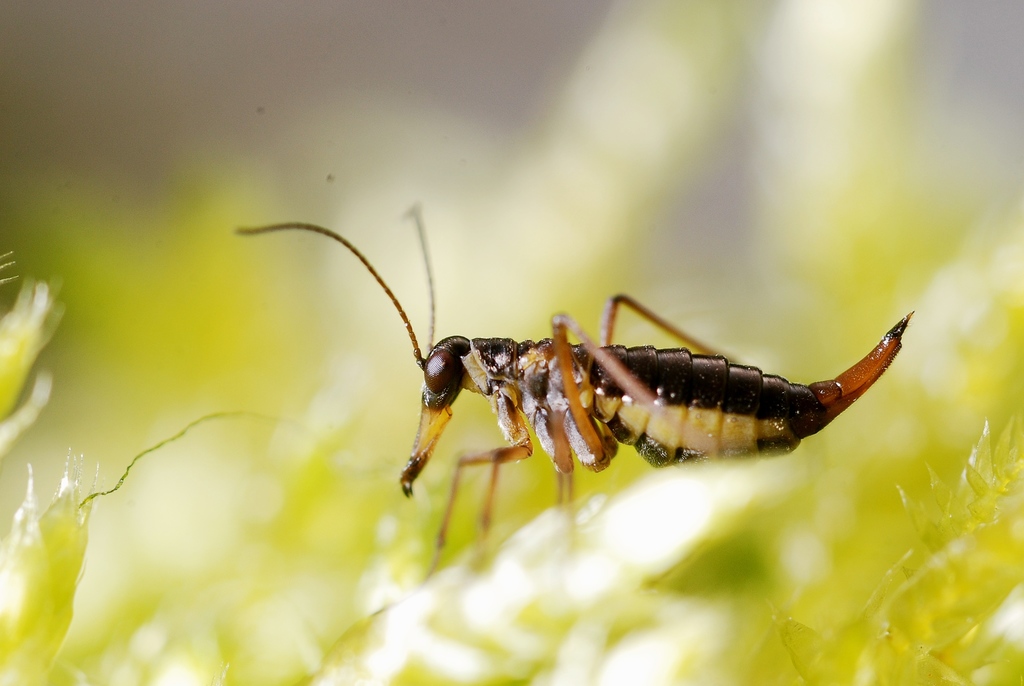
Snow scorpionflies are tiny insects about 3 to 4.5 mm long with short, grey-brown wings that have a metallic shine. Adults are only seen in the cold months from October through March, when they mate; the larvae live on moss and pupate in soil holes in September.
Source: Wikipedia
How to recognize it
Males have four short wing remnants that curve downward, while females have only two scale-like wing remnants.
Source: Wikipedia
Where it lives
The larvae live on moss-covered ground and later move into holes in the soil to pupate.
Source: Wikipedia
What it eats
Larvae feed on moss in their habitat.
Source: Wikipedia
Life cycle
Adults appear from October to March and mate; larvae develop on moss and pupate in September underground.
Source: Wikipedia
Where it comes from
This species is native to Europe.
Source: Wikipedia
Lookalikes
They can be confused with snow fleas, which also crawl or hop on snow around the freezing point and look similar to glacier fleas and snow flies.
Source: Wikipedia
More photos

Questions people ask
When can I expect to see snow scorpionflies?
You will find the adults only in the cold months from October through March.
Source: Wikipedia
What do snow scorpionflies look like?
They are tiny, 3 to 4.5 mm long, with short grey-brown wings that have a metallic sheen; males have four short wing vestiges that curve down, females have two scale-like vestiges.
Source: Wikipedia
Same family (Boreidae)
Sources
- Wikipedia: https://en.wikipedia.org/wiki/Boreus_hyemalis
Look it up elsewhere: GBIF · iNaturalist · BugGuide · ITIS · Wikipedia
Text written 2026-10-23 from the sources above and checked sentence by sentence against them. Data fetched 2026-10-23.