 Bug FAQ
Red Damselfly
Xanthocnemis zealandica · Order: Odonata · Family: Coenagrionidae
Also called: Alpine Redcoat Damselfly, Common Redcoat Damselfly, Kauri Redcoat Damselfly, Redcoat Damselfly
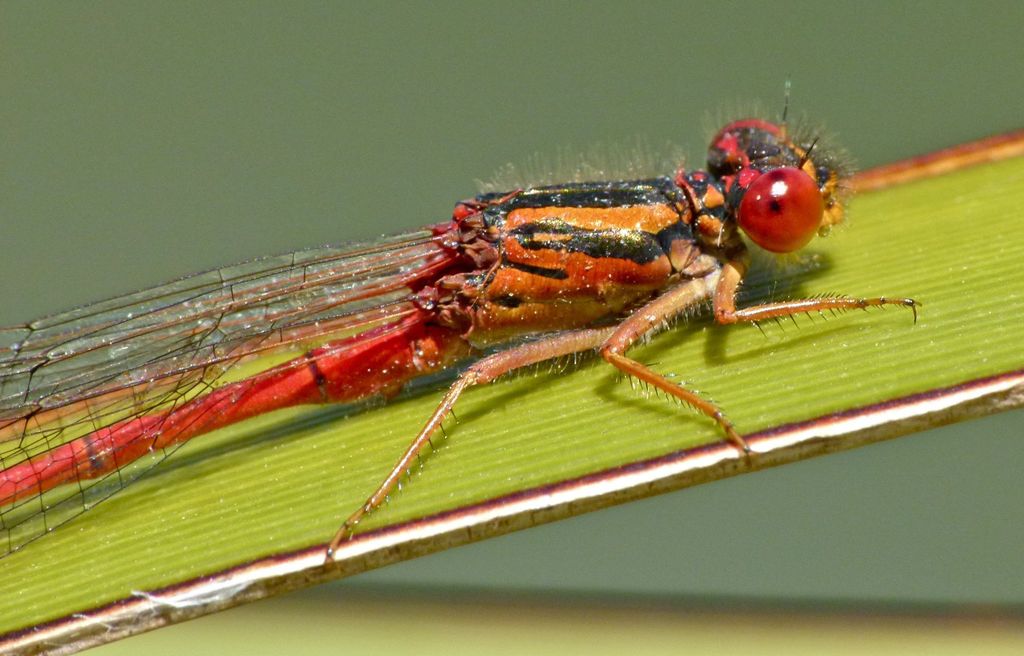
The red damselfly (Xanthocnemis zealandica) is a small insect with males about 24 to 38 mm long and females slightly larger, 28 to 39 mm, and both have wingspans around 15 to 23 mm. Males are bright red with black markings, while females may be red with black tips or black with yellow side stripes. They are native and common throughout New Zealand’s lakes, ponds, swamps and slow streams, and their nymphs live in rocky and weedy water bodies.
Source: Wikipedia
How to recognize it
Males show a bold red colour with black markings; females can be red with black abdominal tips or black with yellow side stripes.
Source: Wikipedia
Where it lives
They can be found in most lakes, swamps, ponds and slow-moving streams across the North, South and Stewart Islands. Nymphs occur in rocky and weedy streams and ponds throughout New Zealand.
Source: Wikipedia
What it eats
They are carnivorous, feeding on small insects such as caddisflies, moths, aphids, crane flies, as well as mosquitoes and blackflies.
Source: Wikipedia
Life cycle
Their life cycle takes 2 to 3 years, shorter near sea level and longer at higher elevations. They undergo incomplete metamorphosis with egg, nymph and adult stages.
Source: Wikipedia
When you see it
Mating occurs during the mid-summer months. Adults are often seen flying close to vegetation near streams.
Source: Wikipedia
Where it comes from
Xanthocnemis zealandica is endemic to New Zealand and is widespread on the North, South and Stewart Islands.
Source: Wikipedia
Lookalikes
Damselflies can be confused with dragonflies because both belong to Odonata and share similar features. They can be distinguished by their relatively large eyes and the distinctive wing veins.
Source: Wikipedia
More photos
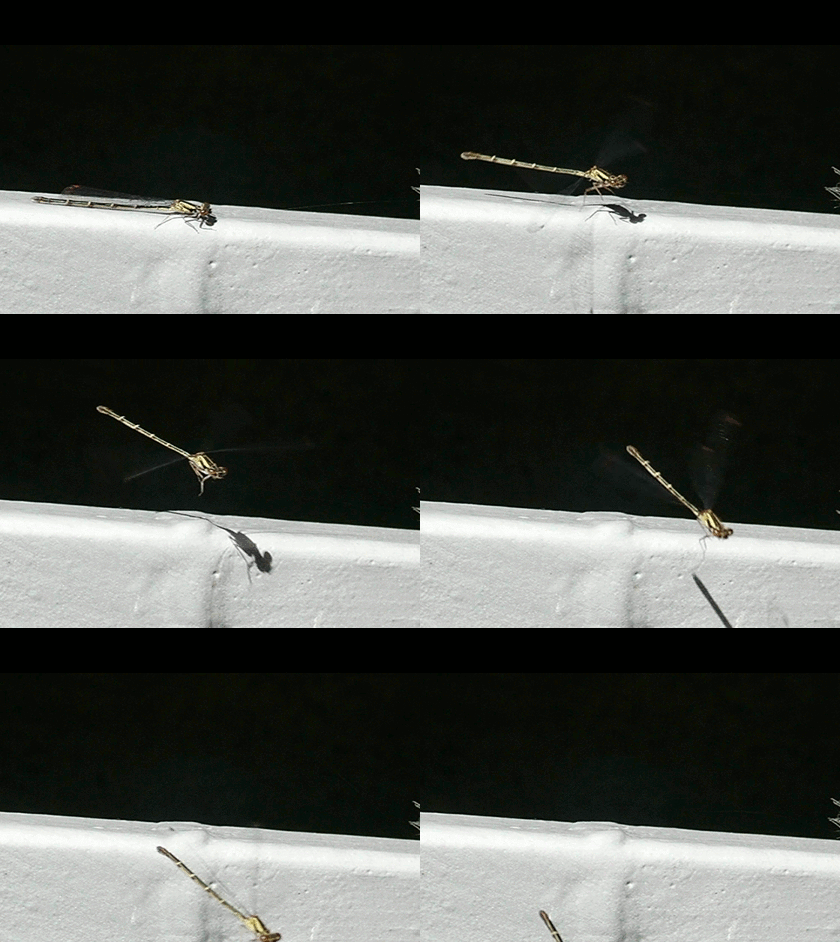
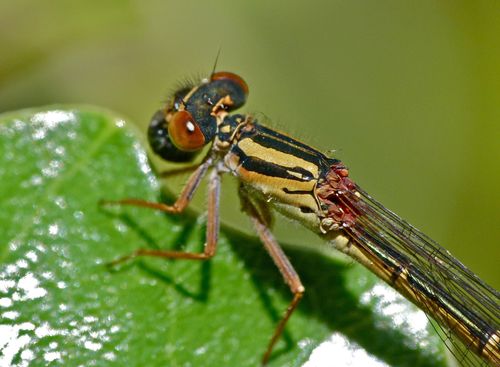

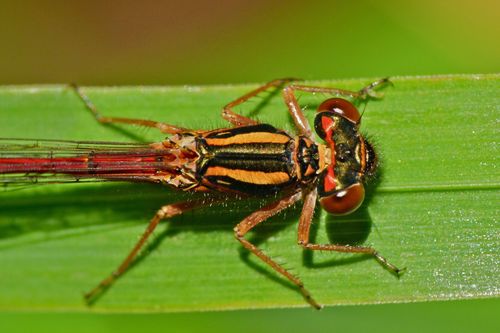
Same family (Coenagrionidae)
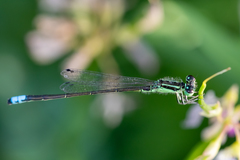
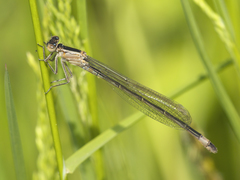

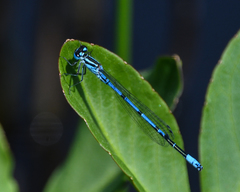

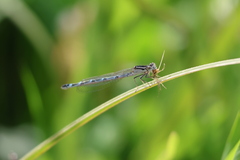
Sources
- Wikipedia: https://en.wikipedia.org/wiki/Xanthocnemis_zealandica
Look it up elsewhere: GBIF · iNaturalist · BugGuide · Wikipedia
Text written 2026-10-23 from the sources above and checked sentence by sentence against them. Data fetched 2026-10-22.