 Bug FAQ
Peripsocus subfasciatus
Peripsocus subfasciatus · Order: Psocodea · Family: Peripsocidae
Source: Wikipedia
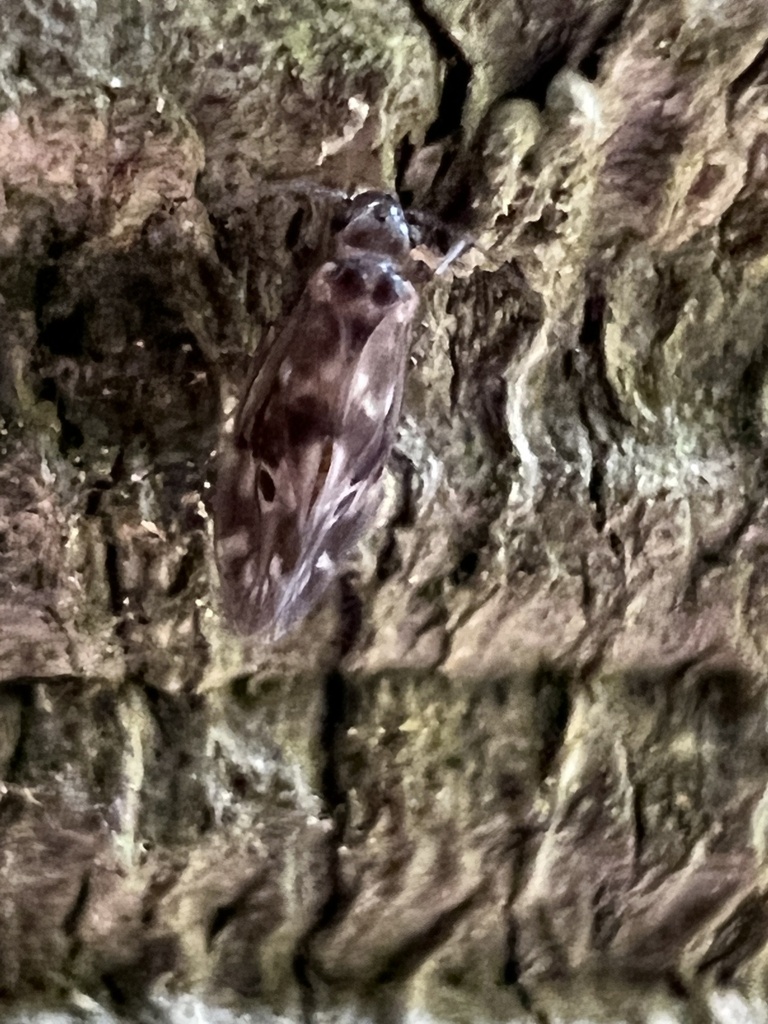
The bug can be black or brown in colour. It lives in Great Britain and Ireland. It eats leaves and fruits of many trees and shrubs such as oak, pine, apple and chestnut, which can harm gardens and orchards.
Source: Wikipedia
How to recognize it
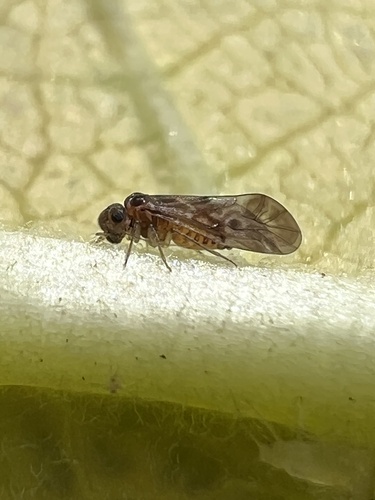
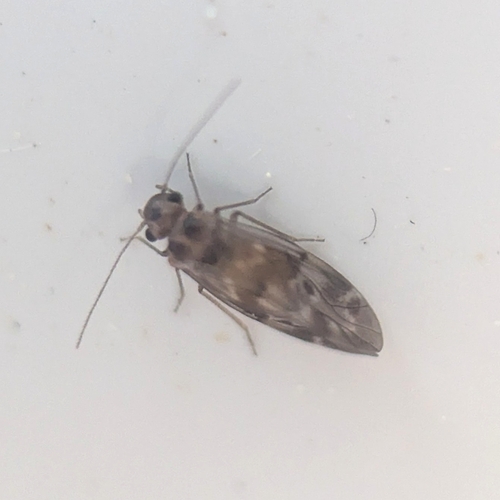
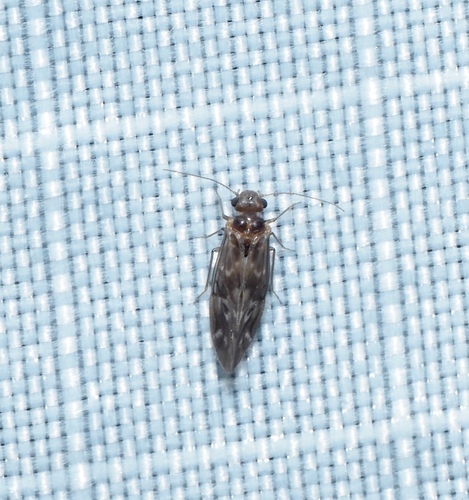
Adults are either black or brown.
Source: Wikipedia
Where it lives
It is found on a variety of trees and shrubs including beech, oak, pine and sea buckthorn. It also feeds on fruit trees such as apple, rowan and sweet chestnut.
Source: Wikipedia
What it eats
Its diet includes many woody plants like beech, blackthorn, cedar, elm, hawthorn, larch, oak, pine and sallow. It also consumes apples, rowan and sweet chestnuts.
Source: Wikipedia
Where it comes from
The species occurs in Great Britain and Ireland.
Source: Wikipedia
Where it is found in the US
Recorded in 23 of 51 states and DC. Most records: California, Virginia, Tennessee, Washington, Michigan, Wisconsin, Alabama, Massachusetts.
Darker = more records. Counts are museum and citizen-science records, not population size.
Source: GBIF
Months it is reported in the US
Source: GBIF
More photos

Questions people ask
What plants does Peripsocus subfasciatus feed on?
It eats leaves and fruits of many trees and shrubs such as beech, oak, pine, apple and sweet chestnut.
Source: Wikipedia
Sources
- Wikipedia: https://en.wikipedia.org/wiki/Peripsocus_subfasciatus
Look it up elsewhere: GBIF · iNaturalist · BugGuide · ITIS · Wikipedia
Text written 2026-10-23 from the sources above and checked sentence by sentence against them. Data fetched 2026-10-23.