 Bug FAQ
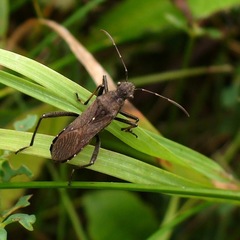
Paddy Bug
Leptocorisa acuta · Order: Hemiptera · Family: Alydidae
Also called: Gandhi bug, Rice earhead bug
Source: Wikipedia
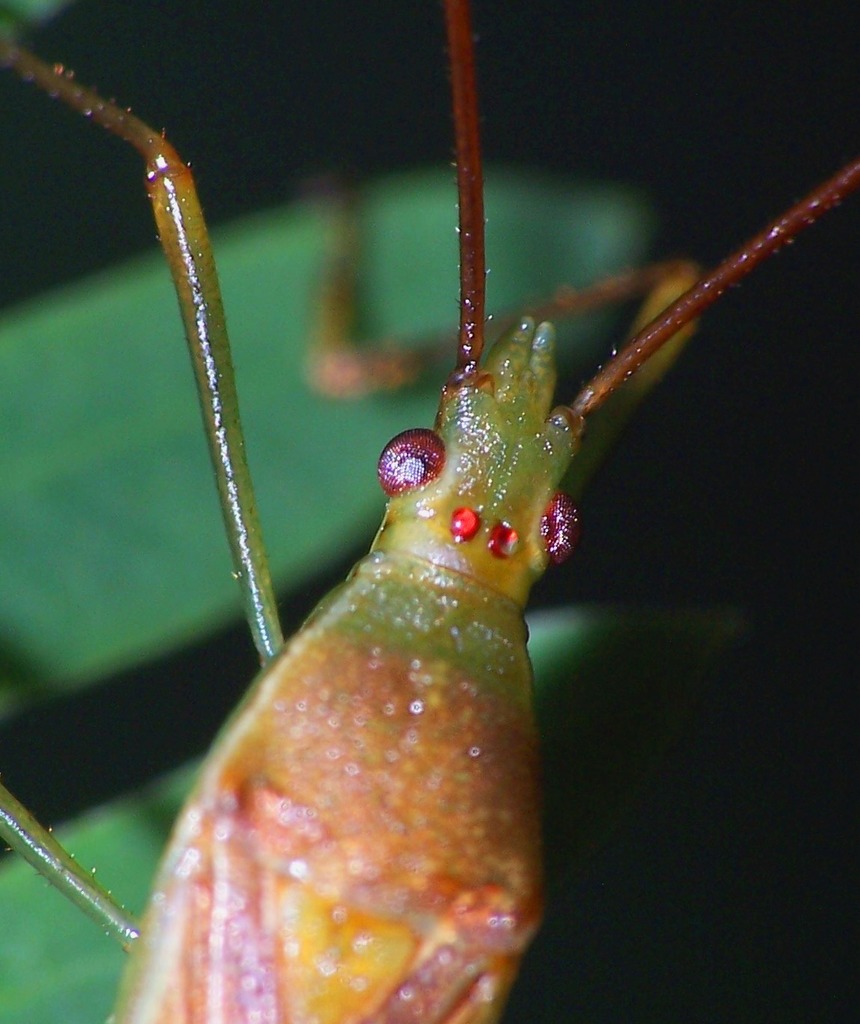
Rice bugs feed on developing rice grains, lowering quality and sometimes yield.
Source: Wikipedia
How to recognize it
It is one of several rice bug species and can be confused with Leptocorisa oratoria.
Source: Wikipedia
How to get rid of it
Because attacks occur near harvest, spraying insecticides can leave harmful pesticide residues on the crop.
Source: Wikipedia
What it eats
It feeds on developing rice grains, reducing crop quality and sometimes yield.
Source: Wikipedia
Lookalikes
It may be confused with Leptocorisa oratoria.
Source: Wikipedia
Where it is found in the US
Recorded in 1 of 51 states and DC. Most records: Colorado.
Darker = more records. Counts are museum and citizen-science records, not population size.
Source: GBIF
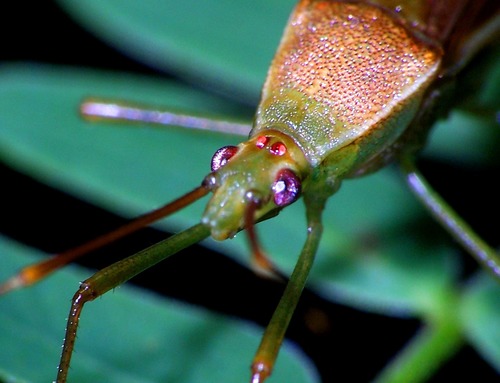
More photos
Questions people ask
How does this bug damage crops?
It feeds on developing rice grains and on other cereals like sorghum and millets, lowering quality and yield.
Source: Wikipedia
Can I spray insecticide to control it?
Spraying near harvest can leave harmful pesticide residues on the crop.
Source: Wikipedia
What other bugs look like the Paddy Bug?
It can be confused with Leptocorisa oratoria.
Source: Wikipedia
Same family (Alydidae)
Sources
- Wikipedia: https://en.wikipedia.org/wiki/Leptocorisa_acuta
Look it up elsewhere: GBIF · iNaturalist · BugGuide · ITIS · Wikipedia
Text written 2026-10-23 from the sources above and checked sentence by sentence against them. Data fetched 2026-10-22.