 Bug FAQ
Ogre-faced Spider
Deinopis spinosa · Order: Araneae · Family: Deinopidae
Also called: Ogrefaced spider
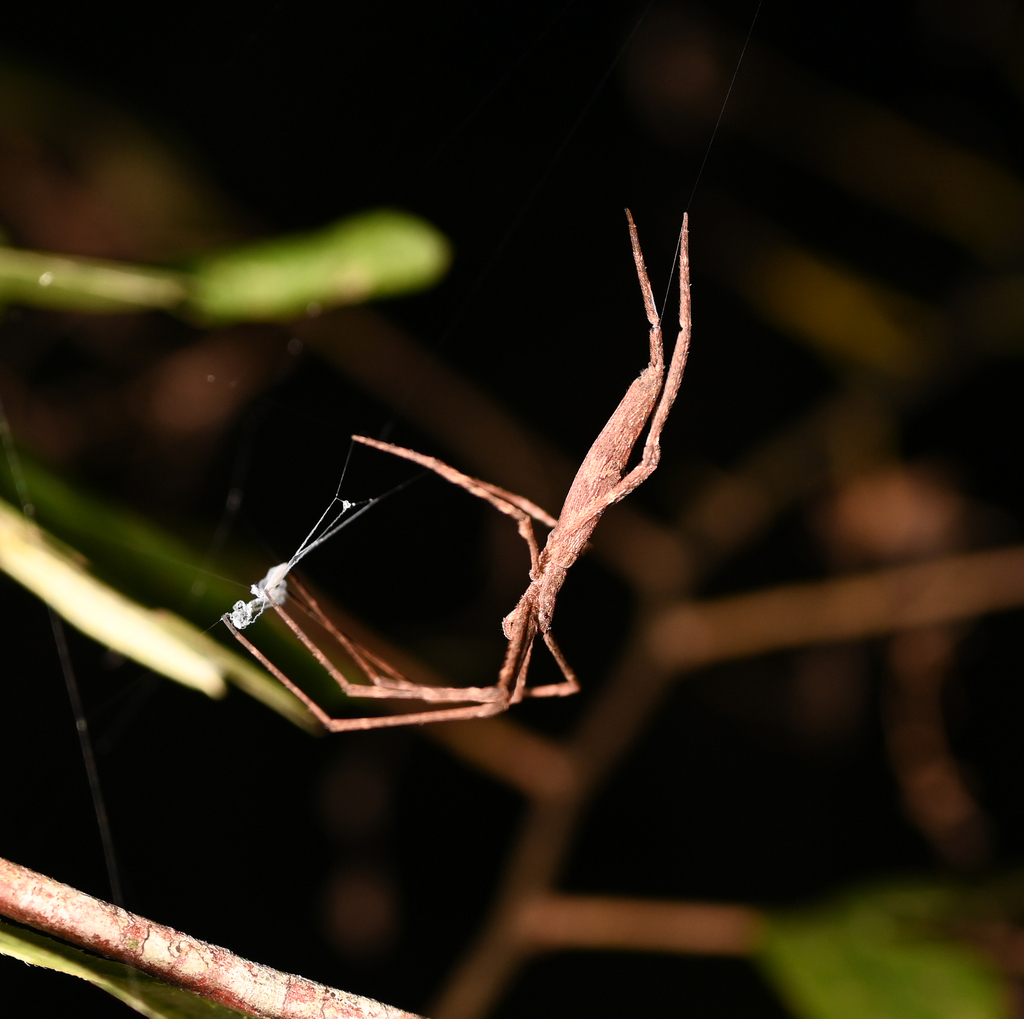
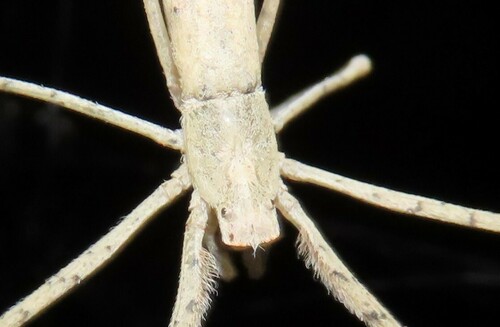
The ogre-faced spider catches prey with a small net it holds between its legs while hanging from a sparse web frame. It stays motionless and camouflaged on palm plants during the day and hunts at night.
Source: Wikipedia
How to recognize it
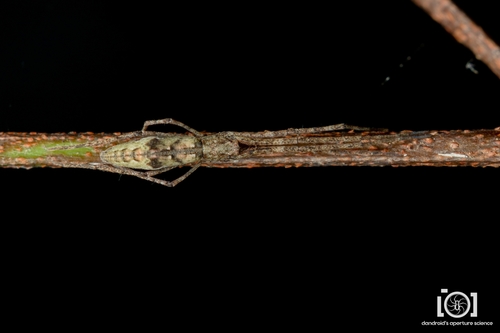
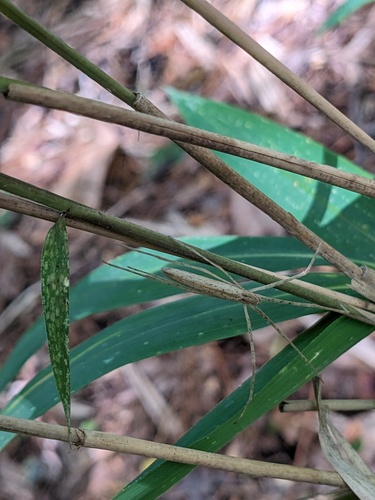
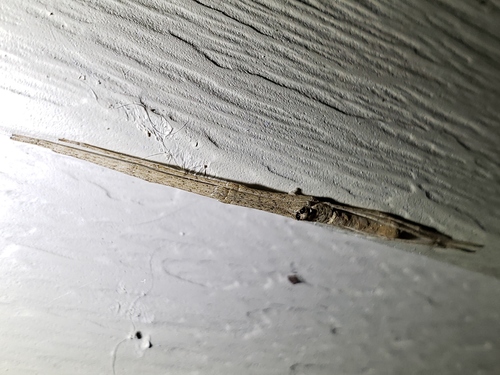
It uses a net stretched across its legs to catch insects. During daylight it stays still and blends in with its host palm plant.
Source: Wikipedia
What it eats
It hangs from a sparse web frame, holding a small web between its legs to trap prey. When an insect approaches, it lunges forward and captures it in the net.
Source: Wikipedia
When you see it
It hunts at night.
Source: Wikipedia
Where it is found in the US
Recorded in 9 of 51 states and DC. Most records: Florida, South Carolina, Texas, Louisiana, Mississippi, North Carolina, Georgia, Alabama.
Darker = more records. Counts are museum and citizen-science records, not population size.
Source: GBIF
Months it is reported in the US
Source: GBIF
More photos
Questions people ask
How does the ogre-faced spider catch its prey?
It stretches a small web between its legs while hanging from a frame and lunges to snare insects in the net.
Source: Wikipedia
When is the spider active?
It is immobile and camouflaged during the day and hunts at night.
Source: Wikipedia
Sources
- Wikipedia: https://en.wikipedia.org/wiki/Deinopis_spinosa
Look it up elsewhere: GBIF · iNaturalist · BugGuide · ITIS · Wikipedia
Text written 2026-10-25 from the sources above and checked sentence by sentence against them. Data fetched 2026-10-25.