 Bug FAQ
Northern Bluet
Enallagma annexum · Order: Odonata · Family: Coenagrionidae
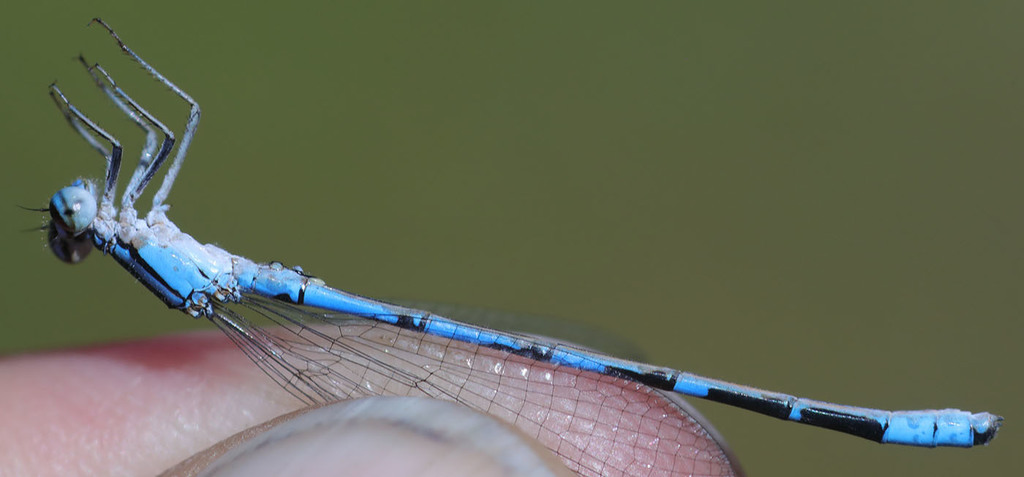
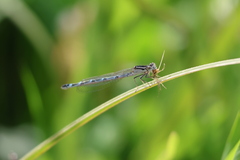
The northern bluet is a small damselfly about 1 to 1.6 inches long (26-40 mm). Males are mostly blue on the sides of the thorax and the upper abdomen, while the top of the abdomen is largely black. It flies from early May through July and belongs to the damselfly family Coenagrionidae.
Source: Wikipedia
How to recognize it
Males show blue on the thorax sides and upper abdomen, with most of the abdomen’s top side black.
Source: Wikipedia
Size
Adults measure about 1 to 1.6 inches (26-40 mm) in length.
Source: Wikipedia
Where it lives
It is a damselfly in the family Coenagrionidae.
Source: Wikipedia
When you see it
Its flight period runs from early May to July.
Source: Wikipedia
Where it comes from
It was once grouped with Enallagma cyathigerum.
Source: Wikipedia
Lookalikes
Many Enallagma species look alike, but it can be told apart from the familiar bluet by large post-ocular spots and shorter cerci.
Source: Wikipedia
Where it is found in the US
Recorded in 33 of 51 states and DC. Most records: California, Utah, Oregon, Alaska, Colorado, Montana, Minnesota, Wyoming.
Darker = more records. Counts are museum and citizen-science records, not population size.
Source: GBIF
Status: native in North America; native in Canada; native in United States. Source: iNaturalist
Months it is reported in the US
Source: GBIF
More photos
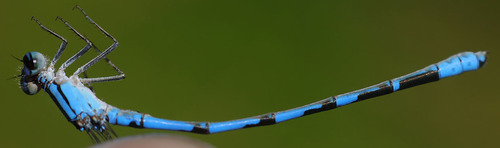
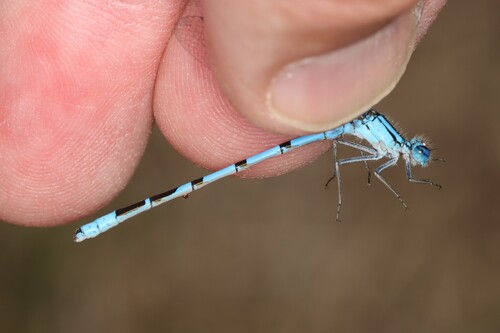
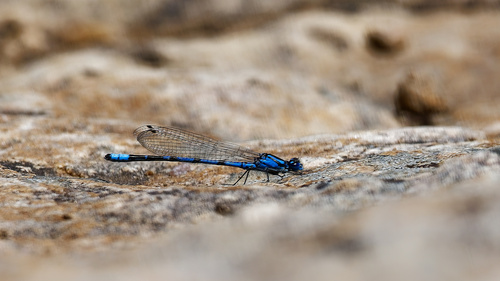
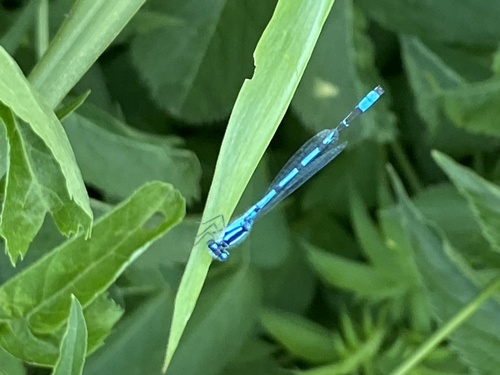
Same family (Coenagrionidae)
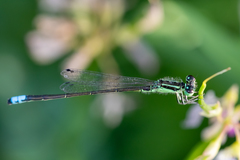
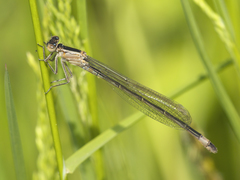

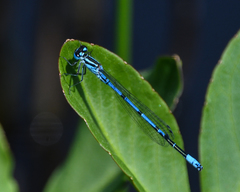

Sources
- Wikipedia: https://en.wikipedia.org/wiki/Enallagma_annexum
Look it up elsewhere: GBIF · iNaturalist · BugGuide · ITIS · Wikipedia
Text written 2026-10-23 from the sources above and checked sentence by sentence against them. Data fetched 2026-10-23.