 Bug FAQ
Net-spinning caddisfly
Cheumatopsyche analis · Order: Trichoptera · Family: Hydropsychidae
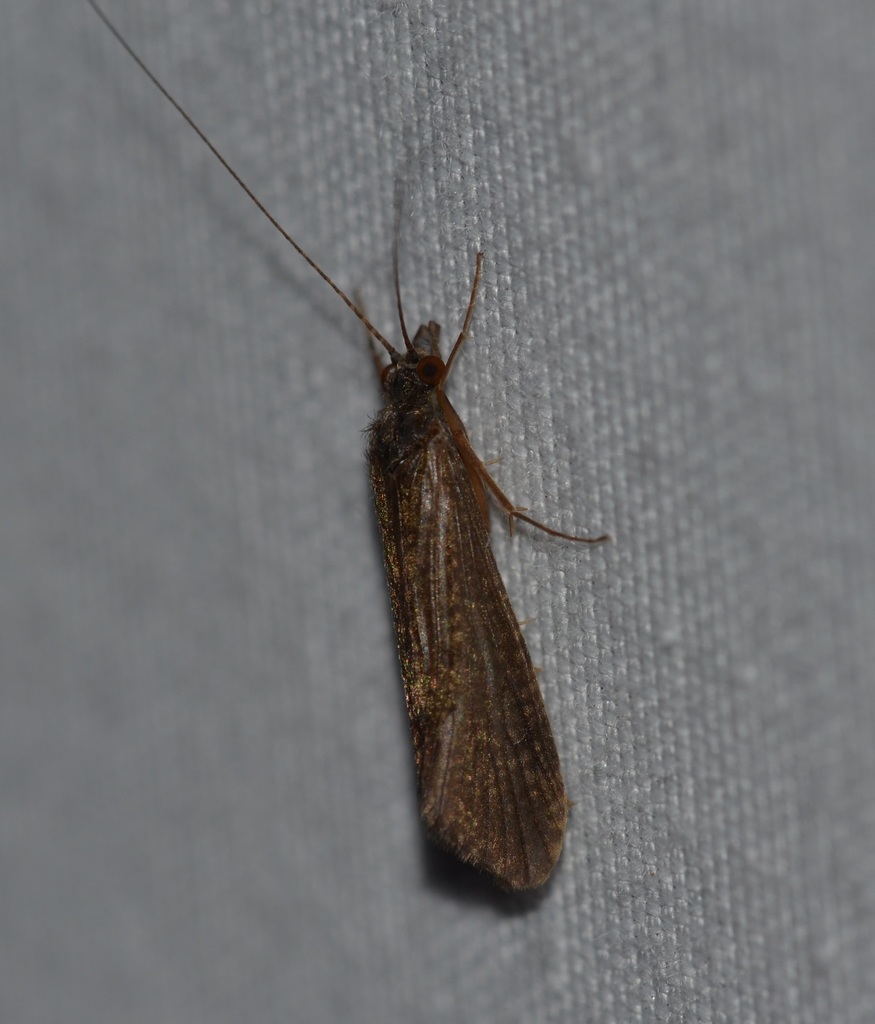
It belongs to the family Hydropsychidae.
Source: Wikipedia
How to recognize it
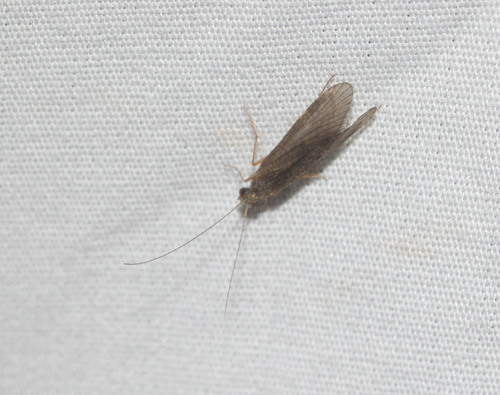
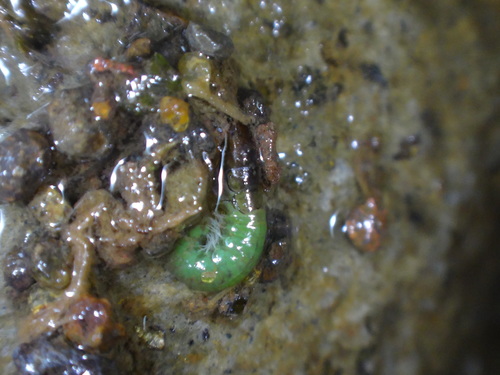
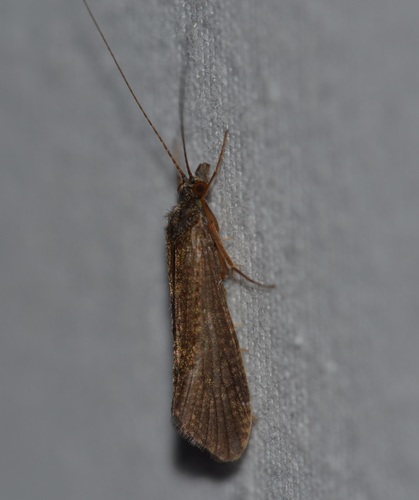
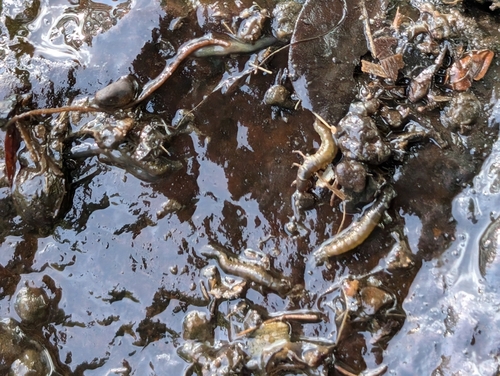
Cheumatopsyche analis is a netspinning caddisfly species.
Source: Wikipedia
Is it a pest in the house?
It is a netspinning caddisfly.
Source: Wikipedia
Does it bite or sting?
It is a netspinning caddisfly.
Source: Wikipedia
How to get rid of it
It is a netspinning caddisfly.
Source: Wikipedia
Where it lives
It is a netspinning caddisfly.
Source: Wikipedia
What it eats
It is a netspinning caddisfly.
Source: Wikipedia
Life cycle
It is a netspinning caddisfly.
Source: Wikipedia
When you see it
It is a netspinning caddisfly.
Source: Wikipedia
Where it comes from
It is a netspinning caddisfly.
Source: Wikipedia
Lookalikes
It is a netspinning caddisfly.
Source: Wikipedia
Where it is found in the US
Recorded in 39 of 51 states and DC. Most records: Minnesota, Illinois, Pennsylvania, Indiana, Maryland, Colorado, Kansas, Michigan.
Darker = more records. Counts are museum and citizen-science records, not population size.
Source: GBIF
Status: native in Canada. Source: iNaturalist
Months it is reported in the US
Source: GBIF
More photos
Questions people ask
What kind of insect is Cheumatopsyche analis?
It is a netspinning caddisfly in the family Hydropsychidae.
Source: Wikipedia
Sources
- Wikipedia: https://en.wikipedia.org/wiki/Cheumatopsyche_analis
Look it up elsewhere: GBIF · iNaturalist · BugGuide · ITIS · Wikipedia
Text written 2026-10-23 from the sources above and checked sentence by sentence against them. Data fetched 2026-10-23.