 Bug FAQ
Louse fly
Hippobosca longipennis · Order: Diptera · Family: Hippoboscidae
Source: Wikipedia
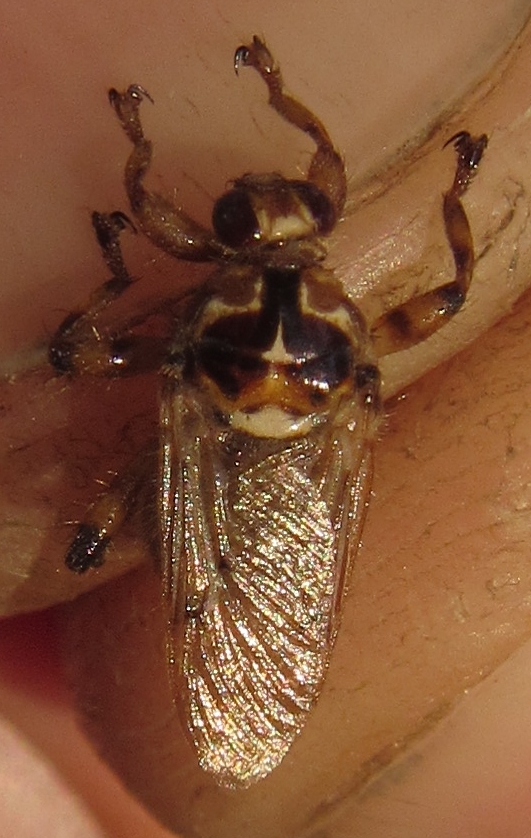
Hippobosca longipennis is a flat-headed fly with long wings and piercing mouthparts that feed on blood. It mainly lives on wild carnivores in Africa but can also bite domestic dogs and occasionally people, leaving painful or stinging bites.
Source: Wikipedia
Size
Its species name, longipennis, means it has long wings.
Source: Wikipedia
Is it a pest in the house?
Although it prefers wild carnivores, it can be found on domestic dogs and may bite people.
Source: Wikipedia
Does it bite or sting?
Bites can be painful and cause skin irritation. Some reports say bites are painless or feel like a bee sting.
Source: Wikipedia
Where it lives
It normally feeds on wild carnivores and sometimes on domestic dogs. Breeding hosts include canines, viverrids, hyenas, and felines.
Source: Wikipedia
What it eats
It feeds on the blood of a variety of animals and has been reported to bite people. On dogs it bites repeatedly each day, especially around the neck and front armpit areas.
Source: Wikipedia
Life cycle
A female lays 10 to 15 larvae on a host during her life. Adults emerge from puparia 19 to 142 days later, usually in the morning, to seek hosts.
Source: Wikipedia
Where it comes from
The species is native to Africa.
Source: Wikipedia
Lookalikes
It is related to sheep keds.
Source: Wikipedia
More photos

Questions people ask
What animals do they feed on?
They feed on the blood of wild carnivores, domestic dogs, and occasionally people.
Source: Wikipedia
Same family (Hippoboscidae)


Sources
- Wikipedia: https://en.wikipedia.org/wiki/Hippobosca_longipennis
Look it up elsewhere: GBIF · iNaturalist · BugGuide · ITIS · Wikipedia
Text written 2026-10-23 from the sources above and checked sentence by sentence against them. Data fetched 2026-10-23.