 Bug FAQ
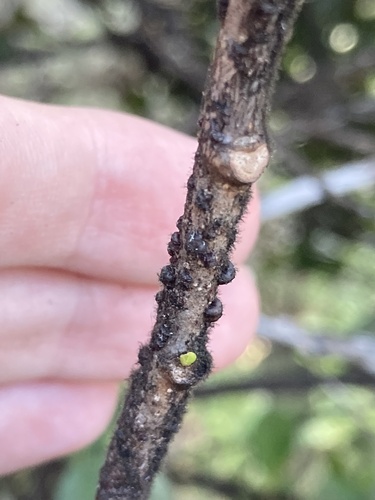
Lobate Lac Scale
Paratachardina pseudolobata · Order: Hemiptera · Family: Kerriidae
Source: Wikipedia
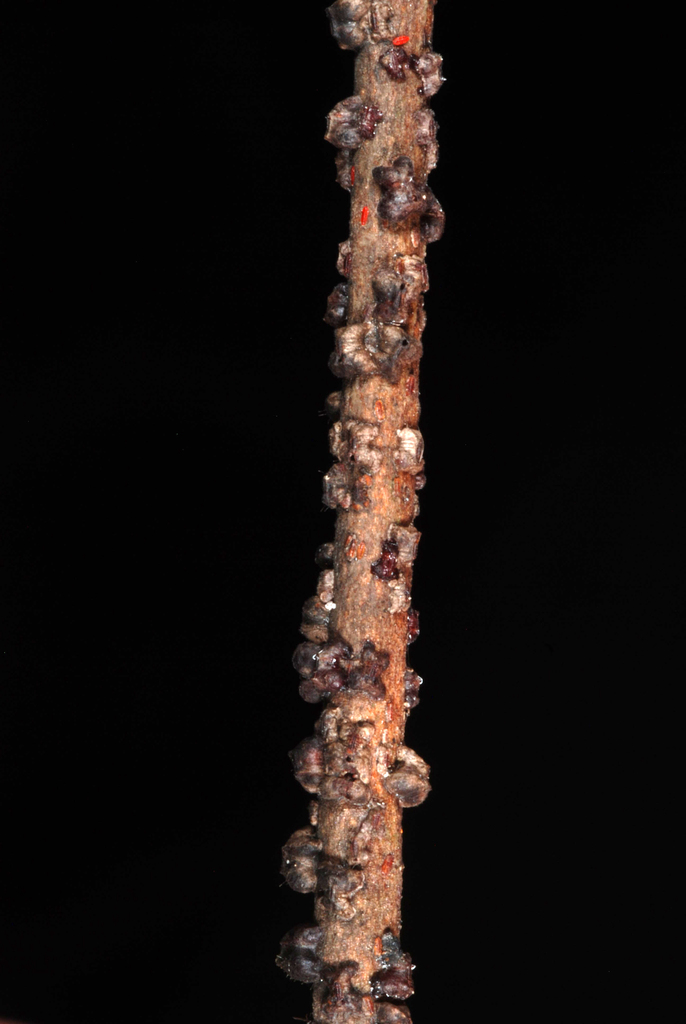
The lobate lac scale feeds on more than 300 plant species, including many trees and shrubs, and can cause damage to them. It reproduces without males, laying eggs that develop parthenogenetically.
Source: Wikipedia
How to recognize it
It was once mistaken for Paratachardina lobata, a species from India and Sri Lanka, before being recognized as a separate species in 2007.
Source: Wikipedia
Is it a pest in the house?
It damages trees and woody shrubs in the regions where it occurs.
Source: Wikipedia
What it eats
The insect feeds on more than 300 different plant species.
Source: Wikipedia
Life cycle
It reproduces parthenogenetically, unlike the similar P. lobata which reproduces sexually.
Source: Wikipedia
Where it comes from
Its original native range has not been identified.
Source: Wikipedia
Lookalikes
It was previously identified as P. lobata, a different species native to India and Sri Lanka, before being distinguished in 2007.
Source: Wikipedia
Where it is found in the US
Recorded in 2 of 51 states and DC. Most records: Hawaii, Florida.
Darker = more records. Counts are museum and citizen-science records, not population size.
Source: GBIF
Months it is reported in the US
Source: GBIF
More photos
Questions people ask
What plants does the lobate lac scale affect?
It feeds on over 300 plant species and can damage trees and woody shrubs.
Source: Wikipedia
How can I tell it apart from similar scale insects?
It was once confused with Paratachardina lobata, but differs by reproducing parthenogenetically and was formally described as a separate species in 2007.
Source: Wikipedia
Where is this scale insect found?
It occurs on trees and shrubs in Cuba, Florida, the Bahamas, and Christmas Island, though its original native range is unknown.
Source: Wikipedia
Sources
- Wikipedia: https://en.wikipedia.org/wiki/Paratachardina_pseudolobata
Look it up elsewhere: GBIF · iNaturalist · BugGuide · Wikipedia
Text written 2026-10-27 from the sources above and checked sentence by sentence against them. Data fetched 2026-10-27.