 Bug FAQ
Karsch's Purseweb Spider
Atypus karschi · Order: Araneae · Family: Atypidae
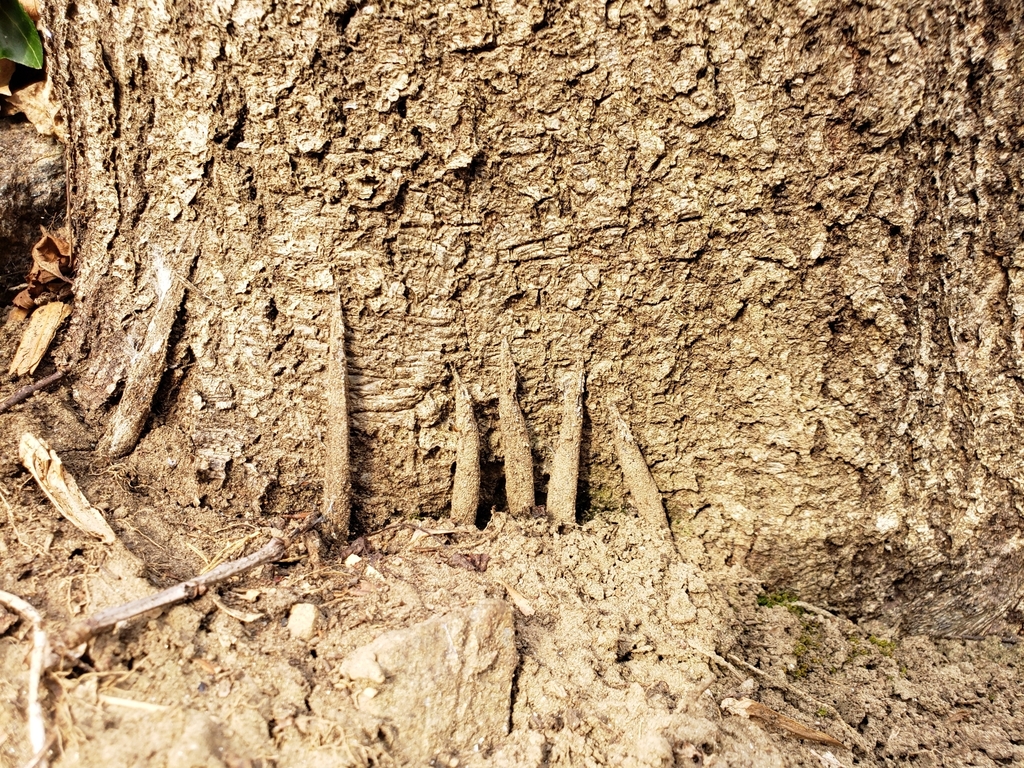
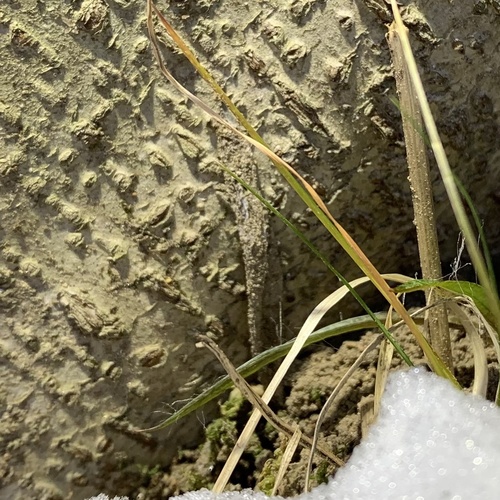
They build silk tubes in fields, wooded slopes, suburban areas and near streams, and they are native to Korea, China, Taiwan and Japan. They wait at the tube entrance to bite insects that land on the silk, and mature males leave their burrows to find mates while females stay put; spiderlings disperse by ballooning.
Source: Wikipedia
How to recognize it
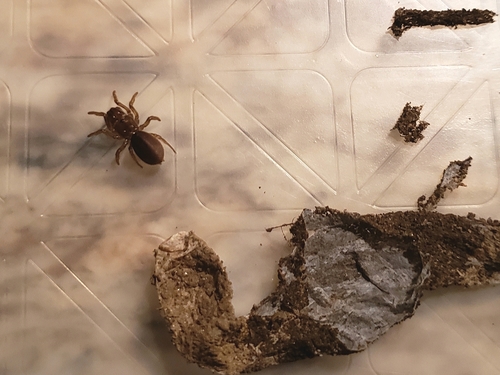
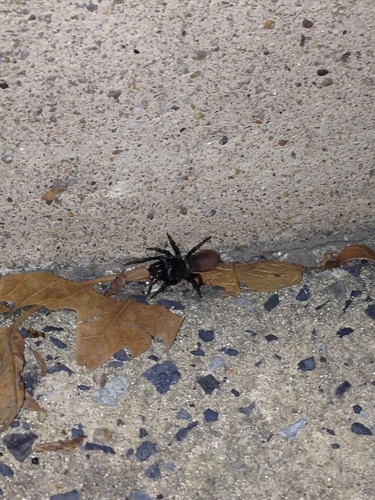
They are black or dark brown and have large downward-pointing chelicerae.
Source: Wikipedia
Size
Adults measure about 17 to 20 mm (0.67 to 0.79 in) long.
Source: Wikipedia
Where it lives
They build silk tubes in fields, wooded slopes, suburban areas and near streams.
Source: Wikipedia
What it eats
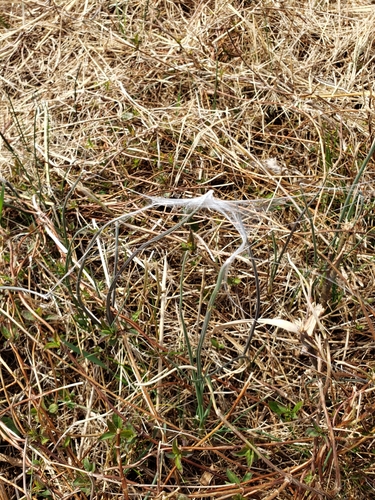
They wait at the entrance of their tube and bite insects that walk onto the silk, pulling them inside.
Source: Wikipedia
Life cycle
Mature males exit their burrows and wander to locate females, while females usually remain in their tubes for life. Young spiderlings disperse by ballooning, a rare behavior for mygalomorphs.
Source: Wikipedia
Where it comes from
They are native to Korea, China, Taiwan and Japan.
Source: Wikipedia
Where it is found in the US
Recorded in 3 of 51 states and DC. Most records: Pennsylvania, New York, New Jersey.
Darker = more records. Counts are museum and citizen-science records, not population size.
Source: GBIF
Status: introduced in United States. Source: iNaturalist
Months it is reported in the US
Source: GBIF
More photos
Questions people ask
What do they look like?
They are black or dark brown and have large downward-pointing chelicerae.
Source: Wikipedia
Where do they live?
They build silk tubes in fields, wooded slopes, suburban areas and near streams, and they are native to Korea, China, Taiwan and Japan.
Source: Wikipedia
How do they catch prey?
They wait at the tube entrance and bite insects that land on the silk, pulling them inside.
Source: Wikipedia
What is their life cycle?
Mature males leave their burrows to find mates while females stay in their tubes, and spiderlings disperse by ballooning.
Source: Wikipedia
Same family (Atypidae)


Sources
- Wikipedia: https://en.wikipedia.org/wiki/Atypus_karschi
Look it up elsewhere: GBIF · iNaturalist · BugGuide · ITIS · Wikipedia
Text written 2026-10-28 from the sources above and checked sentence by sentence against them. Data fetched 2026-10-28.