 Bug FAQ
Japanese Barklouse
Stimulopalpus japonicus · Order: Psocodea · Family: Amphientomidae
Also called: Japanese Barklice, Tropical bark louse
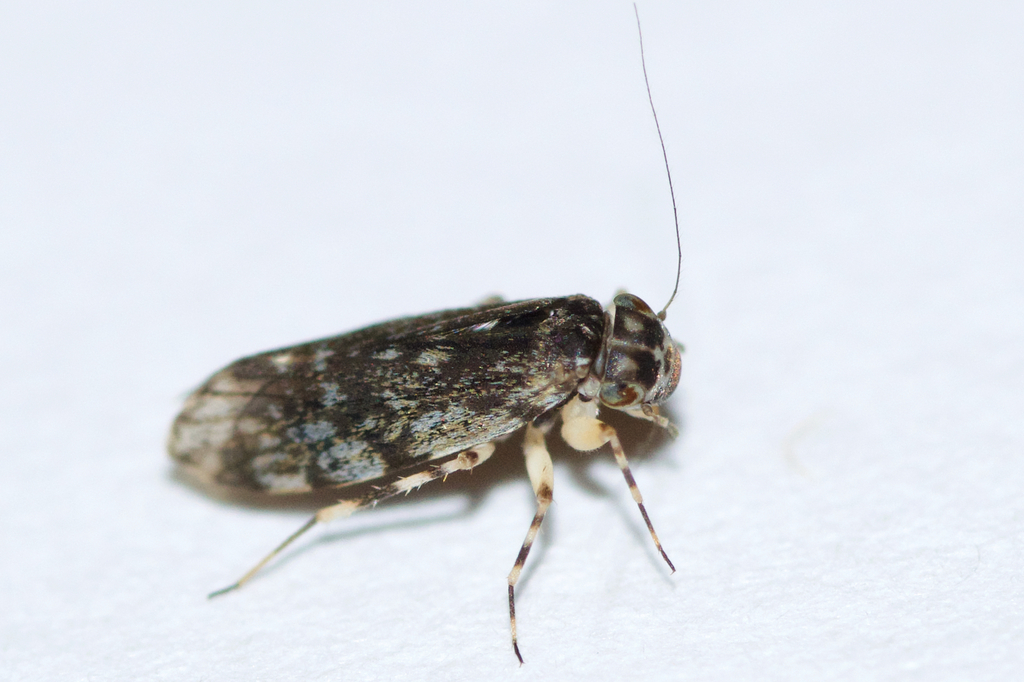
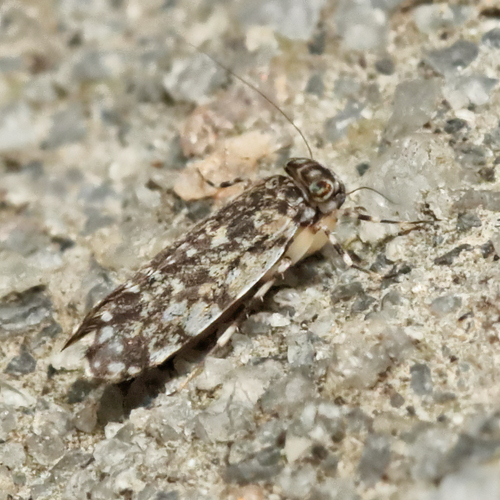
Only females have been found, which suggests they may reproduce without males. They are often seen gathering on rocks and concrete surfaces. The species is native to Japan and also occurs in other parts of East and South Asia.
Source: Wikipedia
How to recognize it
Males have not been observed, implying females might reproduce asexually.
Source: Wikipedia
Where it lives
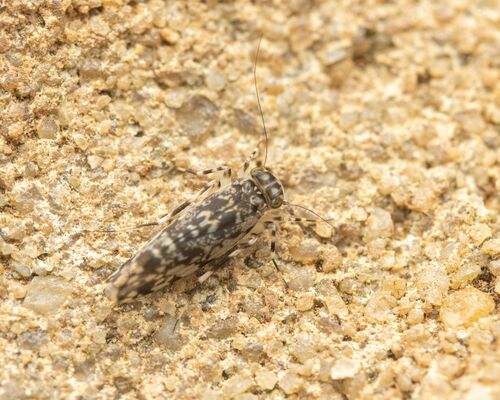
They commonly congregate on rocks and concrete.
Source: Wikipedia
Life cycle
The absence of males suggests females may use thelytoky for reproduction.
Source: Wikipedia
Where it comes from
Native to Japan, they are also found elsewhere in East Asia and South Asia.
Source: Wikipedia
Where it is found in the US
Recorded in 30 of 51 states and DC. Most records: Virginia, New York, Ohio, North Carolina, Pennsylvania, Maryland, Tennessee, Alabama.
Darker = more records. Counts are museum and citizen-science records, not population size.
Source: GBIF
Status: introduced in North America; introduced in Canada; introduced in United States. Source: iNaturalist
Months it is reported in the US
Source: GBIF
More photos
Questions people ask
How do they reproduce if males are unknown?
Females likely reproduce by thelytoky, an asexual form of reproduction.
Source: Wikipedia
Sources
- Wikipedia: https://en.wikipedia.org/wiki/Stimulopalpus_japonicus
Look it up elsewhere: GBIF · iNaturalist · BugGuide · ITIS · Wikipedia
Text written 2026-10-23 from the sources above and checked sentence by sentence against them. Data fetched 2026-10-23.