 Bug FAQ
Heliozela aesella
Heliozela aesella · Order: Lepidoptera · Family: Heliozelidae
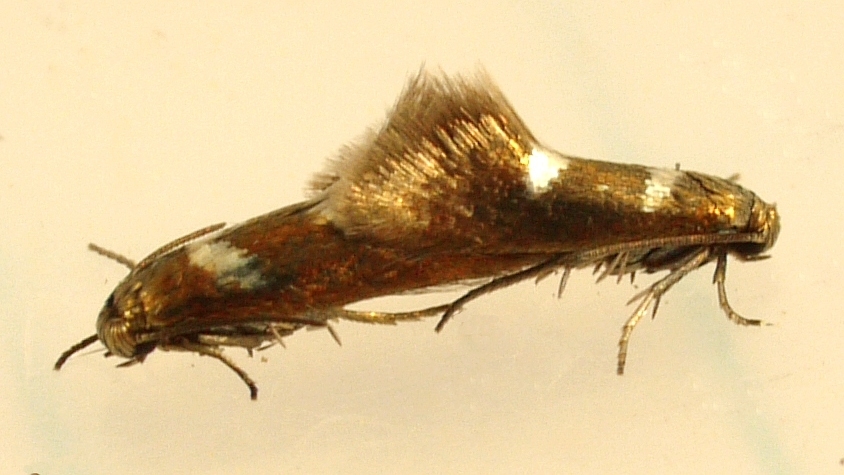
The larvae feed on grape vines (Vitis species). Adults appear in late April to early May and there is one generation each year. Full-grown larvae drop to the ground in a case, overwinter, and pupate inside that case.
Source: Wikipedia
Where it lives
It lives in several U.S. states and in Quebec, Canada.
Source: Wikipedia
What it eats
The larvae feed on plants of the genus Vitis.
Source: Wikipedia
Life cycle
When fully grown, larvae cut out a case, drop to the ground, and later pupate inside that case after overwintering.
Source: Wikipedia
When you see it
Adults are on the wing from late April to early May, producing one generation per year.
Source: Wikipedia
Where it is found in the US
Recorded in 28 of 51 states and DC. Most records: Texas, Minnesota, Ohio, Massachusetts, Virginia, Wisconsin, Vermont, Pennsylvania.
Darker = more records. Counts are museum and citizen-science records, not population size.
Source: GBIF
Status: native in North America; native in United States; native in Canada. Source: iNaturalist
Months it is reported in the US
Source: GBIF
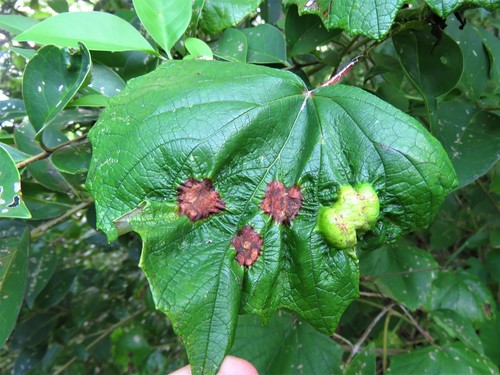
More photos
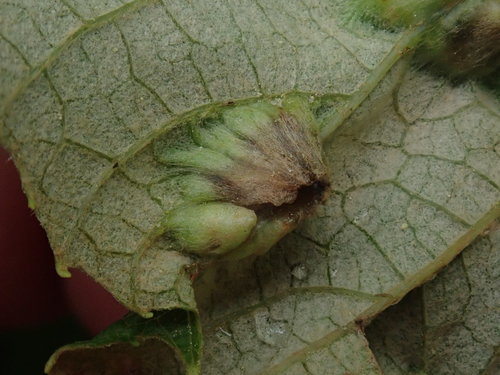
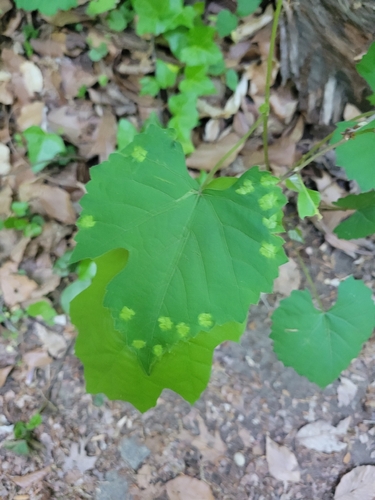
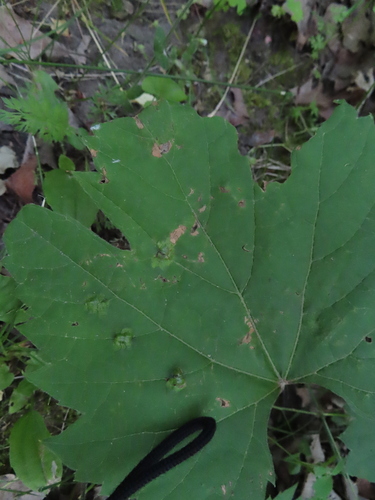
Questions people ask
When can I expect to see adult Heliozela aesella?
Adults are active from late April through early May.
Source: Wikipedia
What do the larvae of Heliozela aesella eat?
The larvae feed on Vitis (grape) species.
Source: Wikipedia
Where is Heliozela aesella found?
It occurs in several U.S. states and in Quebec, Canada.
Source: Wikipedia
Sources
- Wikipedia: https://en.wikipedia.org/wiki/Heliozela_aesella
Look it up elsewhere: GBIF · iNaturalist · BugGuide · Wikipedia
Text written 2026-10-25 from the sources above and checked sentence by sentence against them. Data fetched 2026-10-25.