 Bug FAQ
Hackberry Blister Gall Psyllid
Pachypsylla celtidisvesicula · Order: Hemiptera · Family: Aphalaridae
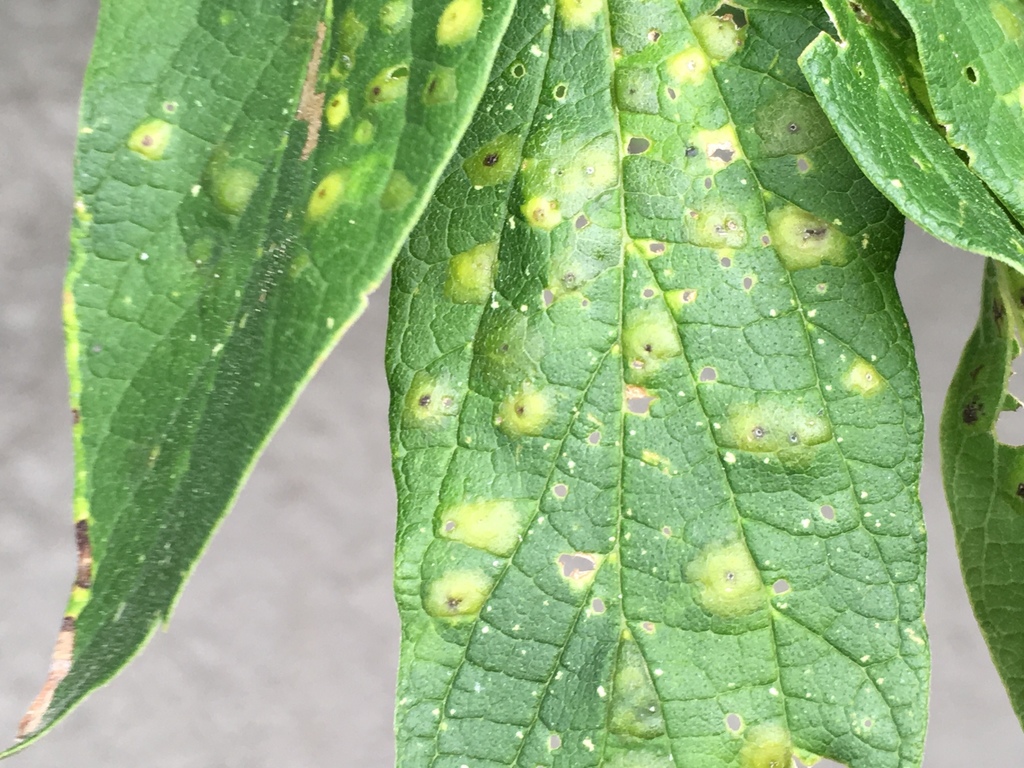
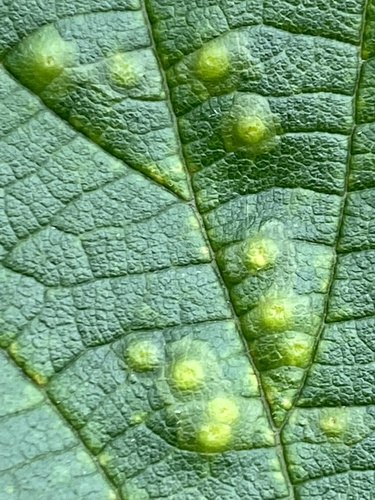
The nymphs make blister-shaped galls on hackberry leaves. It is found throughout North America on various hackberry species.
Source: Wikipedia
How to recognize it
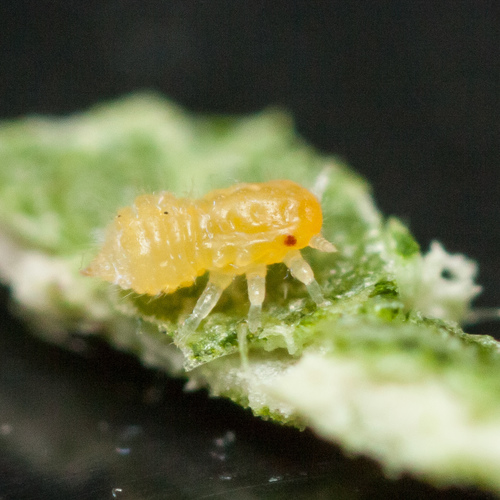
Adults look a lot like the more common hackberry nipplegall psyllid.
Source: Wikipedia
Is it a pest in the house?
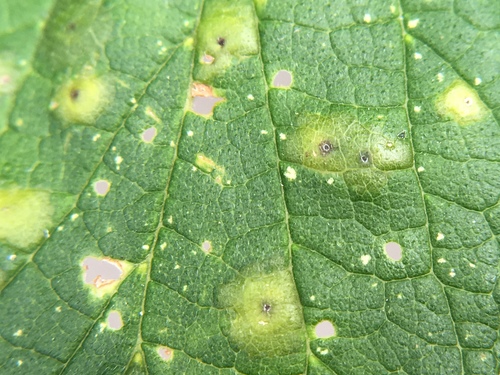
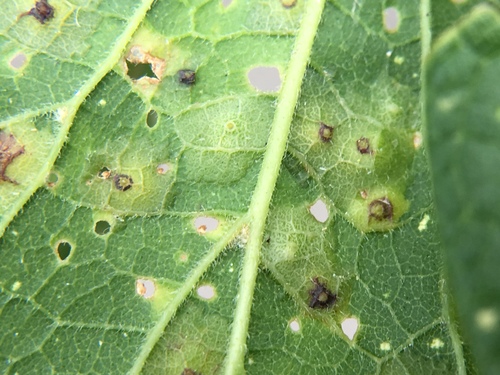
The nymphs cause leaf galls on hackberries.
Source: Wikipedia
Where it lives
This psyllid lives in North America.
Source: Wikipedia
Where it comes from
Its range is across North America.
Source: Wikipedia
Lookalikes
It is closely related to and resembles the hackberry nipplegall psyllid.
Source: Wikipedia
Where it is found in the US
Recorded in 33 of 51 states and DC. Most records: Texas, Minnesota, Illinois, Wisconsin, Ohio, Kansas, Pennsylvania, New York.
Darker = more records. Counts are museum and citizen-science records, not population size.
Source: GBIF
Months it is reported in the US
Source: GBIF
More photos
Questions people ask
Where is the hackberry blister gall psyllid found?
It occurs throughout North America on various hackberry trees.
Source: Wikipedia
How can I tell it apart from similar bugs?
Adults look very similar to the hackberry nipplegall psyllid, a more common species.
Source: Wikipedia
Sources
- Wikipedia: https://en.wikipedia.org/wiki/Pachypsylla_celtidisvesicula
Look it up elsewhere: GBIF · iNaturalist · BugGuide · Wikipedia
Text written 2026-10-23 from the sources above and checked sentence by sentence against them. Data fetched 2026-10-22.