 Bug FAQ
Golden Wattle Gall Wasp
Trichilogaster signiventris · Order: Hymenoptera · Family: Pteromalidae
Also called: Acacia Pycnantha Gall Wasp
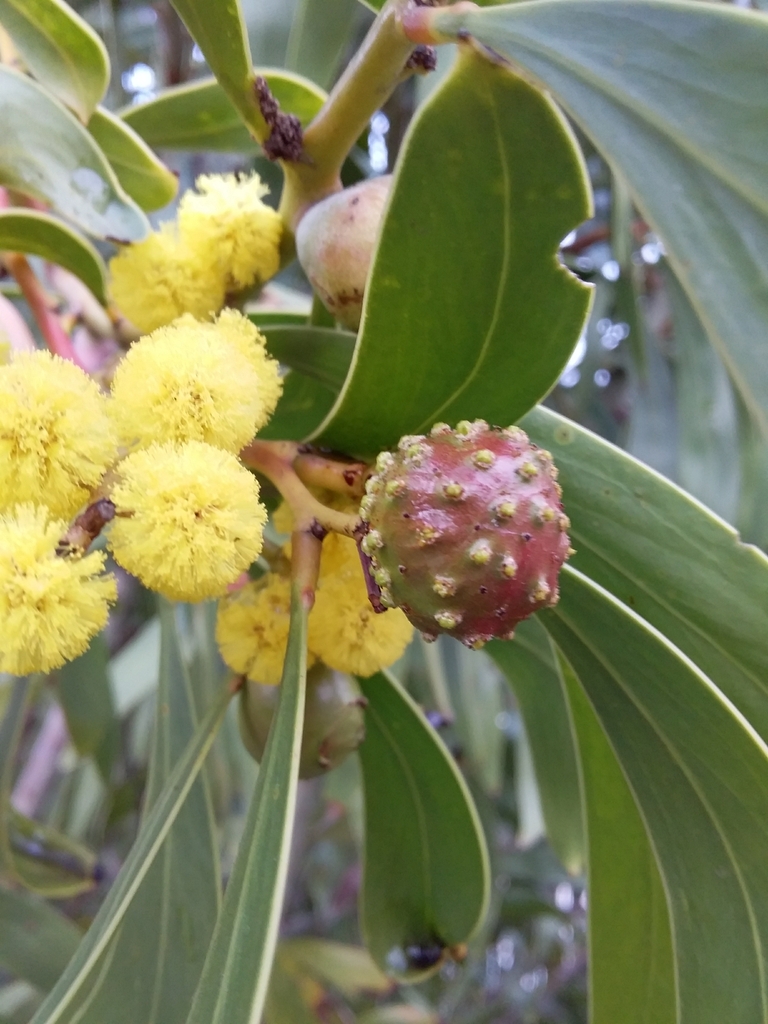
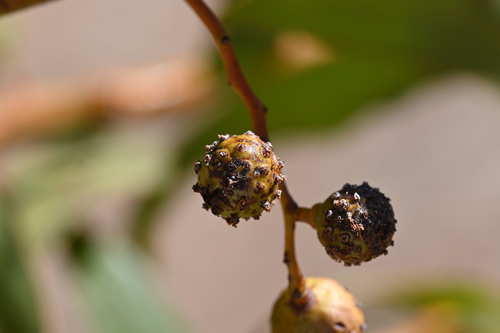
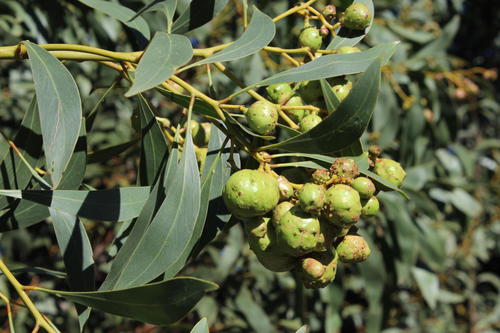
Females lay eggs in golden wattle buds in summer; the larvae cause grape-like galls up to 3 cm that stop flowers from developing and can become so heavy that branches break. The wasp is native to Australia and was introduced to South Africa and the Western Cape of South Africa to try to control invasive golden wattle, but early releases were considered failures.
Source: Wikipedia
How to recognize it
Females are yellow and black, but the exact pattern varies widely.
Source: Wikipedia
Size
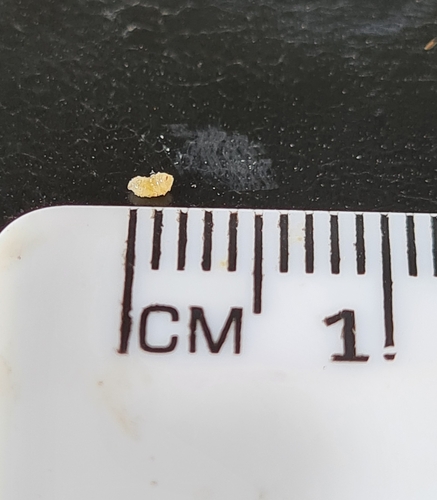
Adults measure between 2.3 and 3.2 mm in length.
Source: Wikipedia
Is it a pest in the house?
The wasp reduces the trees’ ability to reproduce across its range.
Source: Wikipedia
How to get rid of it
Success with the related wasp Trichilogaster acaciaelongifoliae prompted scientists to test T. signiventris for controlling Acacia pycnantha. T. signiventris was introduced twice but was initially thought to have failed.
Source: Wikipedia
Where it lives
It has been introduced to South Africa, where golden wattle is an invasive pest.
Source: Wikipedia
What it eats
Females lay eggs in flower buds in summer; the hatching larvae induce grape-like galls that prevent flower development.
Source: Wikipedia
Life cycle
Eggs are deposited in summer buds and hatch in May to June, when larvae form the characteristic galls.
Source: Wikipedia
When you see it
Egg laying occurs in summer and hatching takes place in May and June.
Source: Wikipedia
Where it comes from
The species is native to Australia as a chalcid wasp. Wasps collected from Lake Natimuk in Victoria were moved and released in the Western Cape in 1987.
Source: Wikipedia
More photos

Questions people ask
How does the wasp affect golden wattle trees?
It lays eggs in buds, the larvae make large galls that stop flowers from forming and can break branches when they become heavy.
Source: Wikipedia
Can this wasp be used for biological control of invasive wattle?
Scientists tried to use it for control after a related species succeeded, but early releases were considered failures.
Source: Wikipedia
When are the eggs laid and when do the larvae appear?
Eggs are laid in summer buds and hatch in May to June, when the larvae induce galls.
Source: Wikipedia
Same family (Pteromalidae)

Sources
- Wikipedia: https://en.wikipedia.org/wiki/Trichilogaster_signiventris
Look it up elsewhere: GBIF · iNaturalist · BugGuide · Wikipedia
Text written 2026-10-23 from the sources above and checked sentence by sentence against them. Data fetched 2026-10-23.