 Bug FAQ
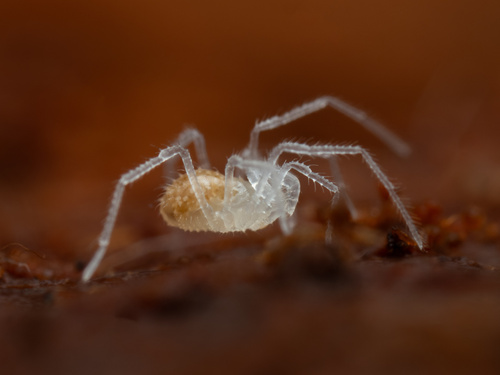
Fumontana deprehendor
Fumontana deprehendor · Order: Opiliones · Family: Buemarinoidae
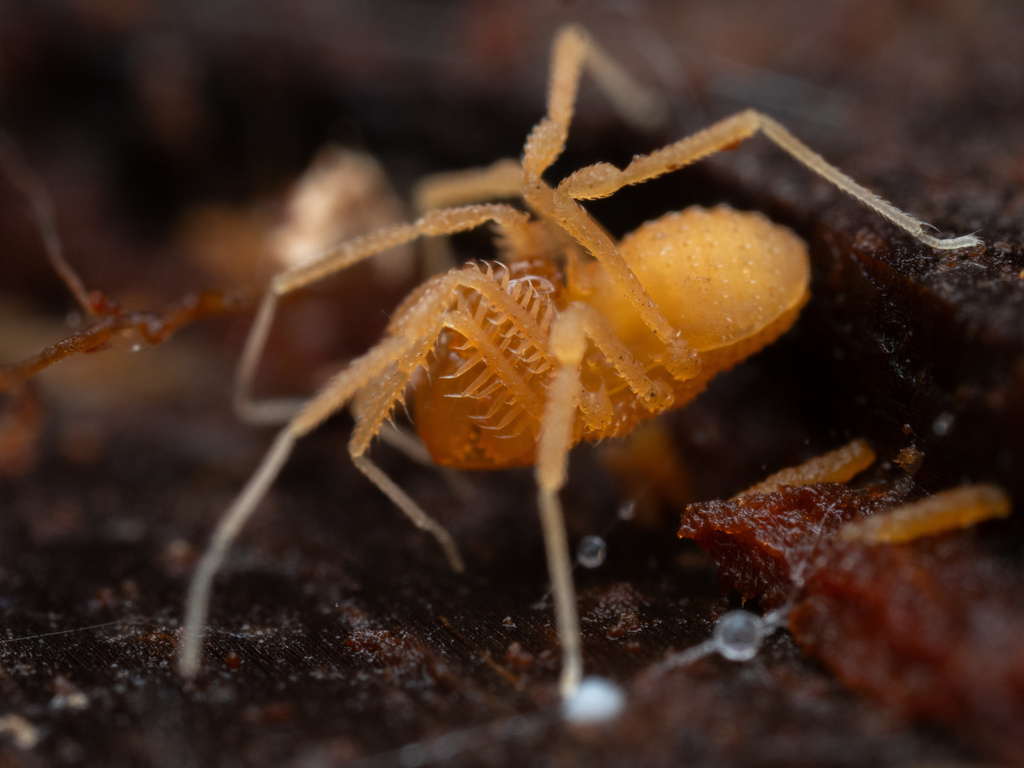
Fumontana deprehendor was first found in leaf litter at Greenbrier Cove in the Great Smoky Mountains of Tennessee. It also occurs in a hardwood forest in Graham County, North Carolina, where a specimen was found under a stone. The genus is native to the United States, specifically Tennessee and North Carolina.
Source: Wikipedia
Where it lives
Another specimen was found under a stone in a virgin cove hardwood forest near Robbinsville, Graham County, North Carolina.
Source: Wikipedia
Where it comes from
Fumontana deprehendor occurs in the United States, specifically in North Carolina and Tennessee.
Source: Wikipedia
Lookalikes
Its eye tubercle position and male genitalia suggest close relations to genera such as Monomontia in South Africa and Hendea in New Zealand.
Source: Wikipedia
Where it is found in the US
Recorded in 4 of 51 states and DC. Most records: North Carolina, Tennessee, Georgia, South Carolina.
Darker = more records. Counts are museum and citizen-science records, not population size.
Source: GBIF
Status: native in North America; native in United States. Source: iNaturalist
Months it is reported in the US
Source: GBIF
More photos
Questions people ask
Where is Fumontana deprehendor found?
It has been recorded in forest litter at Greenbrier Cove in Tennessee and under a stone in a hardwood forest near Robbinsville, North Carolina.
Source: Wikipedia
What other harvestmen are it similar to?
Its eye tubercle and male genitalia resemble those of the South African genus Monomontia and the New Zealand genus Hendea.
Source: Wikipedia
Sources
- Wikipedia: https://en.wikipedia.org/wiki/Fumontana
Look it up elsewhere: GBIF · iNaturalist · BugGuide · ITIS · Wikipedia
Text written 2026-10-29 from the sources above and checked sentence by sentence against them. Data fetched 2026-10-29.