 Bug FAQ
False Ladybird
Endomychus coccineus · Order: Coleoptera · Family: Endomychidae
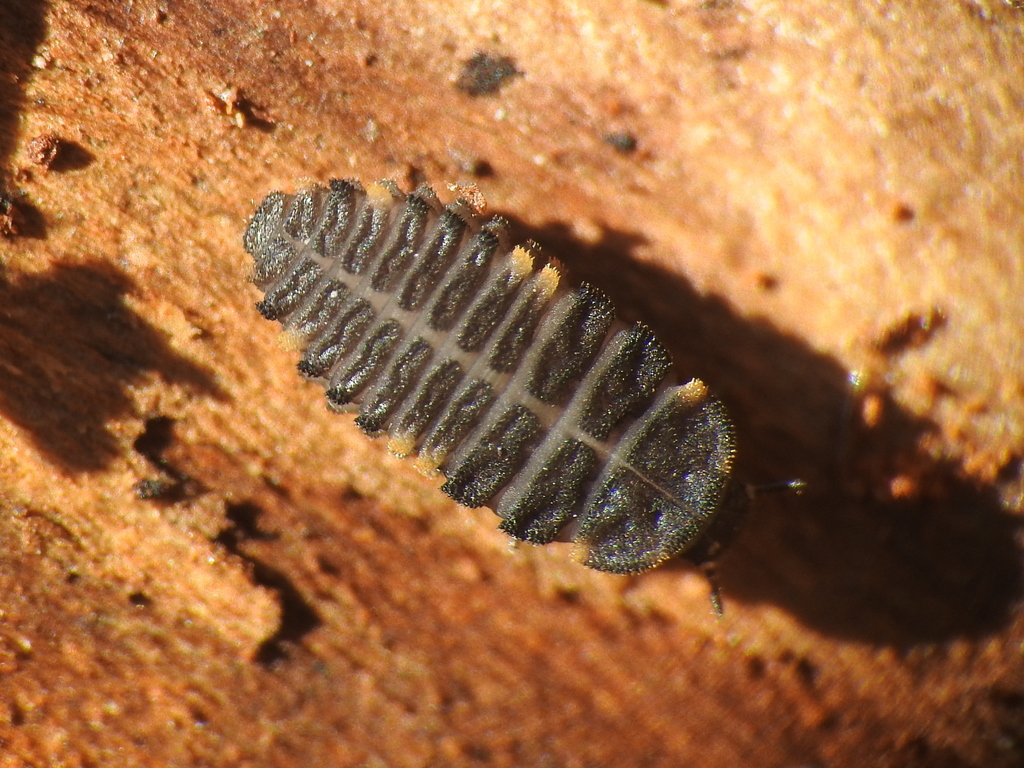
The false ladybird is a small beetle about 4 to 6 mm long. It has a glossy red body with black head, legs, and distinct black markings on the pronotum and elytra. Adults fly from April to June and are found in deciduous forests across most of Europe.
Source: Wikipedia
How to recognize it
The beetle’s body is oval and convex; the pronotum is red with a black stripe, and each wing cover has two large oval black spots.
Source: Wikipedia
Size
It measures about 4 to 6 mm (0.16 to 0.24 in) in length.
Source: Wikipedia
Where it lives
It lives in deciduous forests throughout most of Europe.
Source: Wikipedia
Life cycle
Adults are on the wing from April through June.
Source: Wikipedia
When you see it
The flight period occurs in spring, roughly April to June.
Source: Wikipedia
Where it comes from
Its range includes most of Europe, especially in deciduous forest habitats.
Source: Wikipedia
Lookalikes
It is also called the scarlet endomychus or false ladybird, a member of the Endomychidae family.
Source: Wikipedia
More photos
Questions people ask
What does the false ladybird look like?
It is a small, oval, glossy red beetle with black head, legs, a black stripe on the pronotum, and two large black spots on each wing cover.
Source: Wikipedia
When can I see these beetles?
Adults are active and can be seen flying from April to June.
Source: Wikipedia
Where are false ladybirds found?
They occur in deciduous forests across most of Europe.
Source: Wikipedia
Sources
- Wikipedia: https://en.wikipedia.org/wiki/Endomychus_coccineus
Look it up elsewhere: GBIF · iNaturalist · BugGuide · Wikipedia
Text written 2026-10-23 from the sources above and checked sentence by sentence against them. Data fetched 2026-10-22.