 Bug FAQ
Everglades Sprite
Nehalennia pallidula · Order: Odonata · Family: Coenagrionidae
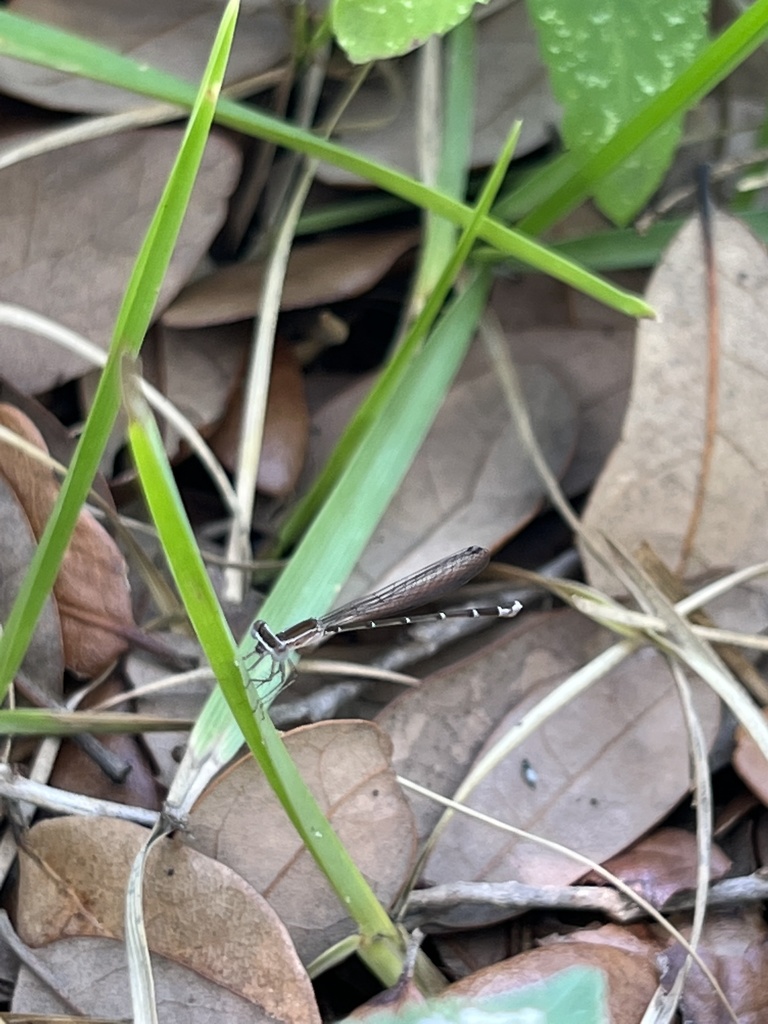
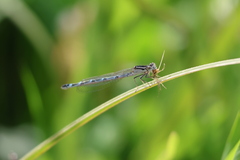
The Everglades sprite is a damselfly in the family Coenagrionidae. It lives in swamps and freshwater marshes and is hard to spot because it is small and hides in dense vegetation. It is found only in Florida and Texas in the United States.
Source: Wikipedia
How to recognize it
Nehalennia pallidula, called the Everglades sprite, belongs to the damselfly family Coenagrionidae.
Source: Wikipedia
Size
Its small size and preference for dense vegetation make it difficult to detect.
Source: Wikipedia
Where it lives
It naturally occurs in swamps and freshwater marshes.
Source: Wikipedia
Where it comes from
The species is endemic to the United States, recorded only in Florida and Texas.
Source: Wikipedia
Where it is found in the US
Recorded in 5 of 51 states and DC. Most records: Florida, Mississippi, Georgia, Texas, New York.
Darker = more records. Counts are museum and citizen-science records, not population size.
Source: GBIF
Months it is reported in the US
Source: GBIF
More photos
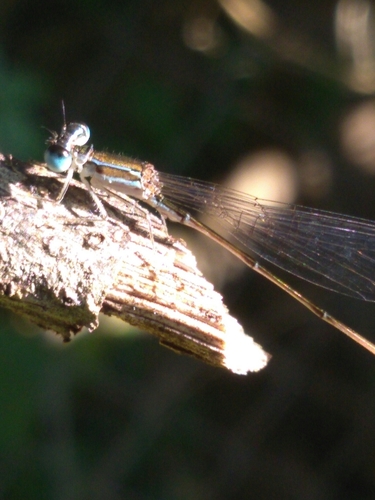
Questions people ask
Where is the Everglades sprite found?
It has only been recorded in Florida and Texas in the United States.
Source: Wikipedia
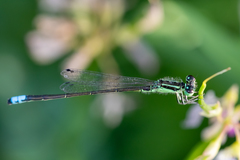
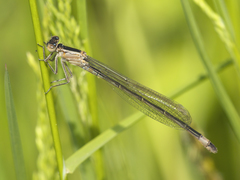
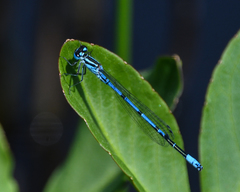
Same family (Coenagrionidae)


Sources
- Wikipedia: https://en.wikipedia.org/wiki/Nehalennia_pallidula
Look it up elsewhere: GBIF · iNaturalist · BugGuide · ITIS · Wikipedia
Text written 2026-10-24 from the sources above and checked sentence by sentence against them. Data fetched 2026-10-24.