 Bug FAQ
Edrotes ventricosus
Edrotes ventricosus · Order: Coleoptera · Family: Tenebrionidae
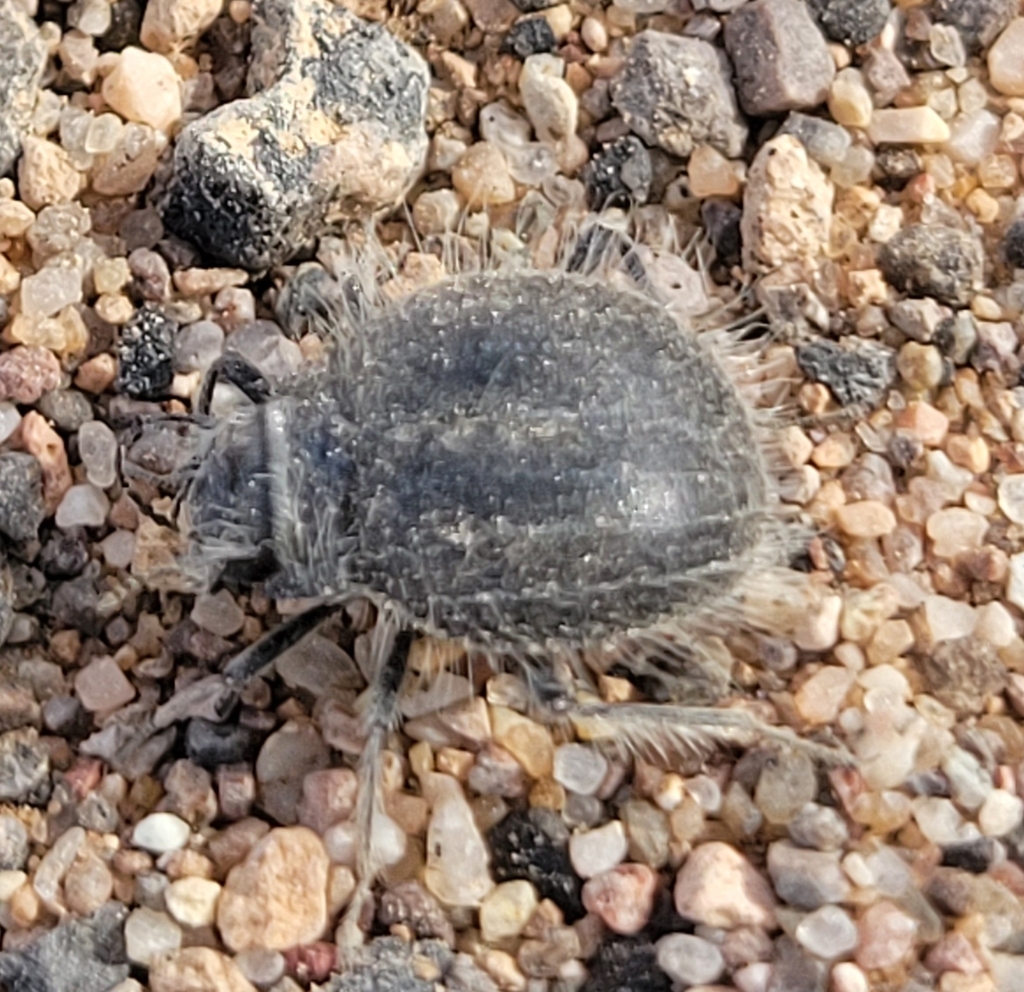
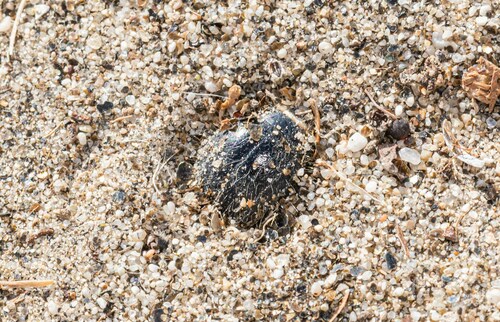
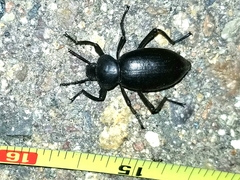
Edrotes ventricosus is a small, round bug about 6.4 to 10 mm long and appears black with hairs on its back. It lives in desert areas of the southwestern United States and northwestern Mexico, feeding on various native and introduced plants.
Source: Wikipedia
How to recognize it
The insect is black in color and has hairs covering its dorsal side.
Source: Wikipedia
Size
Adults are round and measure between 6.4 and 10 mm in length.
Source: Wikipedia
Where it lives
It inhabits desert environments in the southwestern United States and northwestern Mexico.
Source: Wikipedia
What it eats
It is herbivorous, eating plants such as saltgrass, cheat grass, saltwort and wild onion.
Source: Wikipedia
Life cycle
Adults are active from early spring through late winter, and in the southern part of the range they can be active year-round.
Source: Wikipedia
When you see it
In warmer winter days, adults may emerge to feed.
Source: Wikipedia
Where it comes from
Its range includes California, Nevada, Arizona, Baja California and Sonora.
Source: Wikipedia
Where it is found in the US
Recorded in 9 of 51 states and DC. Most records: California, Nevada, Arizona, Utah, Idaho, New Mexico, Nebraska, Texas.
Darker = more records. Counts are museum and citizen-science records, not population size.
Source: GBIF
Status: native in North America. Source: iNaturalist
Months it is reported in the US
Source: GBIF
More photos
Questions people ask
What does Edrotes ventricosus look like?
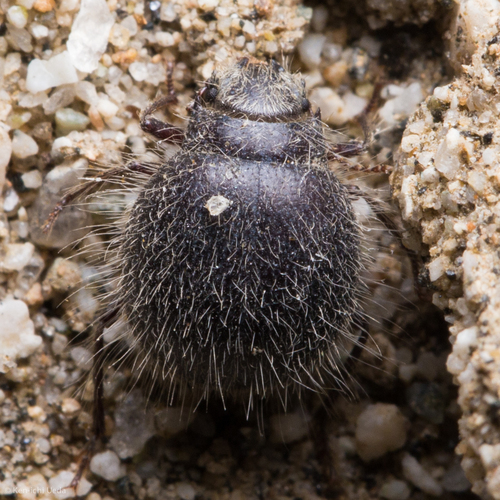
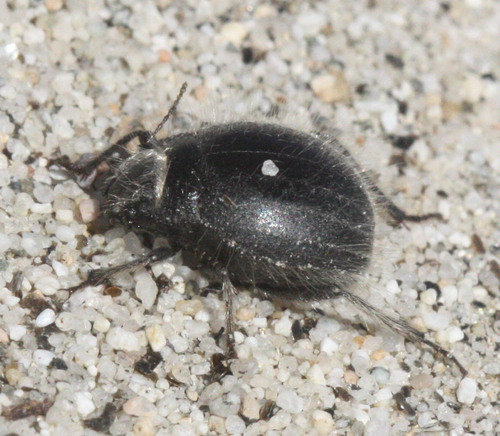
It is a small, round, black bug about 6.4 to 10 mm long with hairs on its back.
Source: Wikipedia
Where can I find this bug?
It lives in desert areas of the southwestern United States and northwestern Mexico.
Source: Wikipedia
What does it eat?
It feeds on plants such as saltgrass, cheat grass, saltwort and wild onion.
Source: Wikipedia
When are they active?
Adults are active from early spring to late winter, and in the southern part of their range they may be active all year.
Source: Wikipedia
Same family (Tenebrionidae)


Sources
- Wikipedia: https://en.wikipedia.org/wiki/Edrotes_ventricosus
Look it up elsewhere: GBIF · iNaturalist · BugGuide · Wikipedia
Text written 2026-10-23 from the sources above and checked sentence by sentence against them. Data fetched 2026-10-23.