 Bug FAQ
Dockland Obscure
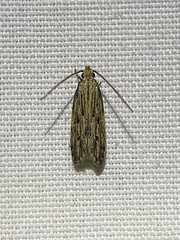
Symmoca signatella · Order: Lepidoptera · Family: Autostichidae
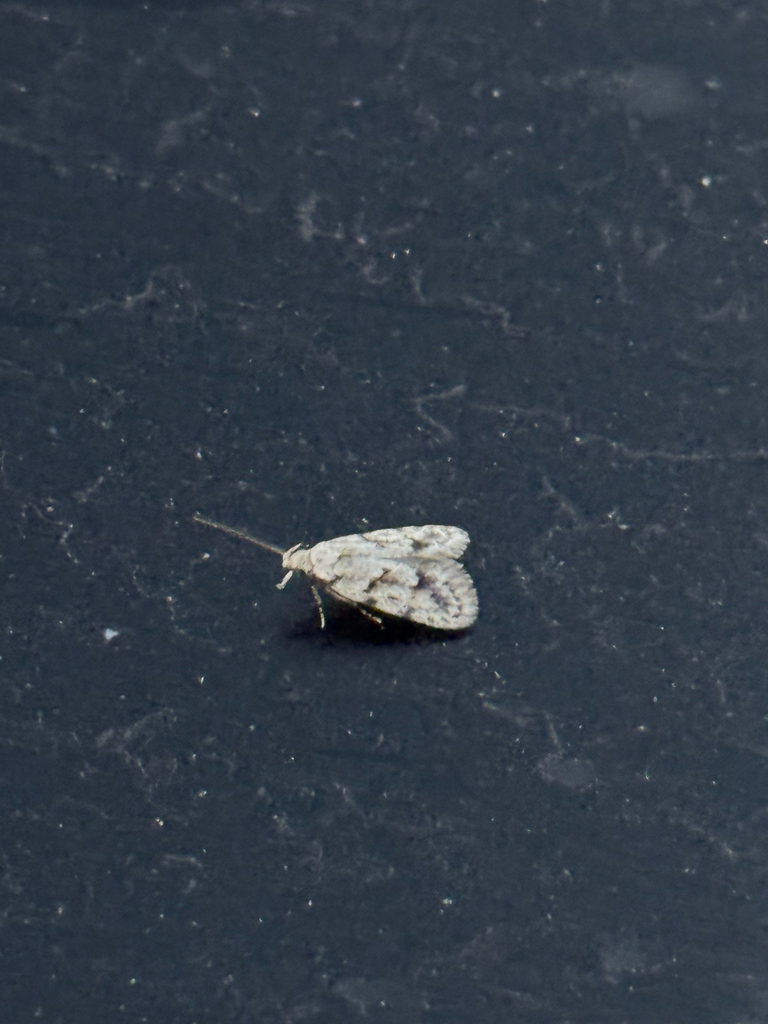
The adult moth has a wingspan of about 12 to 15 mm. It lives in most of western Europe and has also been recorded in Lithuania, Croatia, Greece, southern Russia and California. The larvae feed on dried vegetable matter, including dry leaves and plant debris on rosemary stems and branches. Adults are active in late summer and autumn.
Source: Wikipedia
How to recognize it
Symmoca signatella belongs to the moth family Autostichidae.
Source: Wikipedia
Size
Its wingspan ranges from 12 to 15 mm.
Source: Wikipedia
What it eats
The larvae feed on dried vegetable matter. They have been observed eating dry leaves and plant debris on rosemary stems and branches.
Source: Wikipedia
Life cycle
Adults are on the wing in late summer and autumn.
Source: Wikipedia
When you see it
Adults appear in late summer and autumn.
Source: Wikipedia
Where it comes from
Its range includes most of western Europe as well as Lithuania, Croatia, Greece and southern Russia.
Source: Wikipedia
Where it is found in the US
Recorded in 3 of 51 states and DC. Most records: California, Oregon, Washington.
Darker = more records. Counts are museum and citizen-science records, not population size.
Source: GBIF
Status: introduced in United States. Source: iNaturalist
Months it is reported in the US
Source: GBIF
More photos
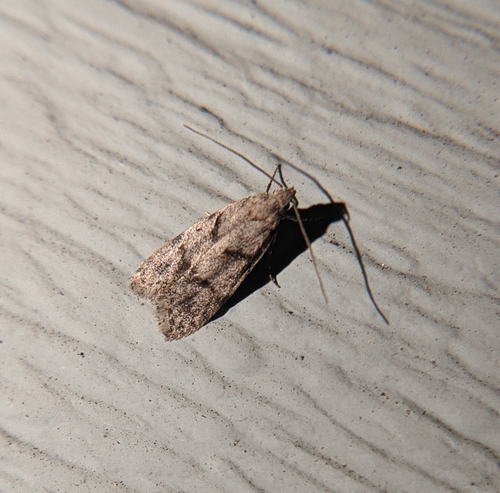
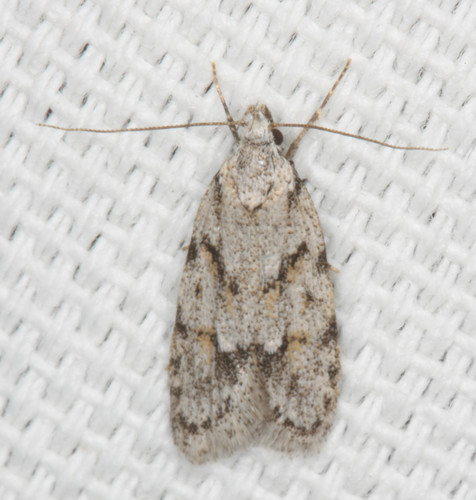
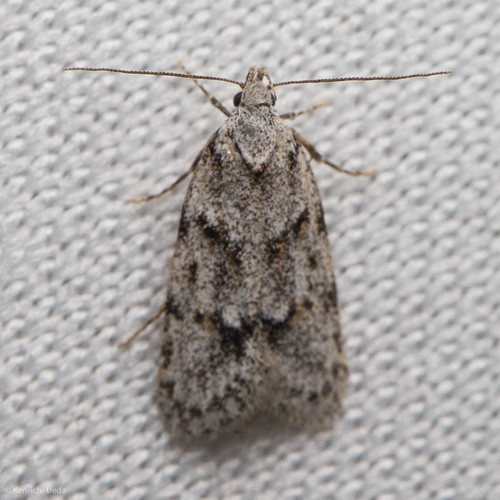
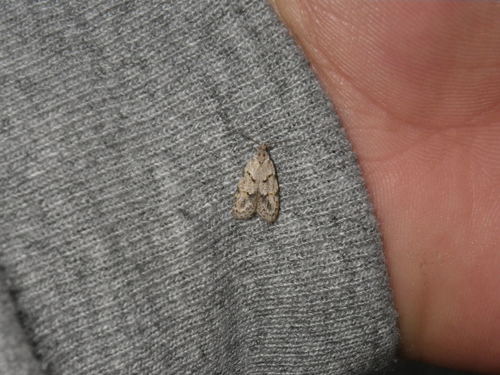
Same family (Autostichidae)

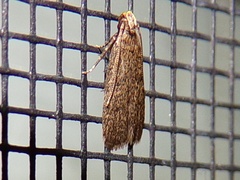
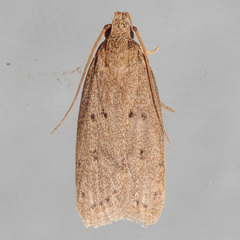
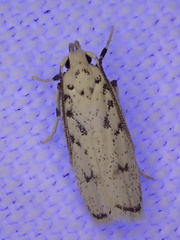

Sources
- Wikipedia: https://en.wikipedia.org/wiki/Symmoca_signatella
Look it up elsewhere: GBIF · iNaturalist · BugGuide · Wikipedia
Text written 2026-10-27 from the sources above and checked sentence by sentence against them. Data fetched 2026-10-27.