 Bug FAQ
Common lacehopper
Cixius nervosus · Order: Hemiptera · Family: Cixiidae
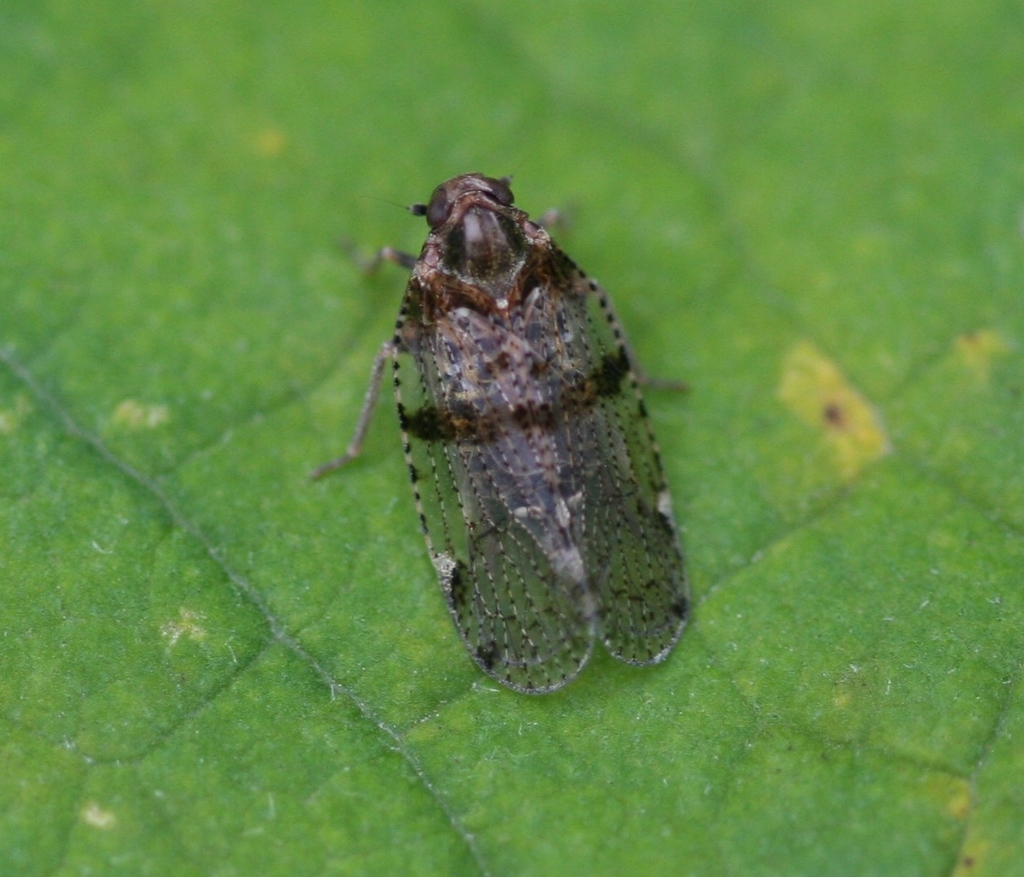
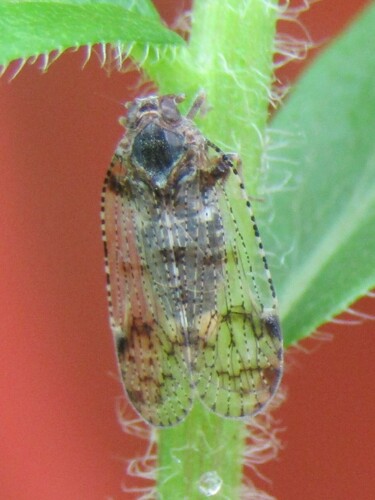
Males are about 6.5 to 7.5 mm long and females 7 to 8.5 mm long. They have three keels on the scutellum and transparent front wings with dark brown bands and spots. Adults are found from May through October on deciduous trees, hedgerows, meadows and scrublands.
Source: Wikipedia
How to recognize it
The scutellum bears three distinct keels. Their front wings are clear with two dark brown bands and several dark spots along the costal margin and veins.
Source: Wikipedia
Size
Males reach 6.5 to 7.5 mm in length, while females are slightly larger at 7 to 8.5 mm.
Source: Wikipedia
Where it lives
They live on deciduous trees, in hedge rows, and in meadows and scrublands.
Source: Wikipedia
When you see it
Adults can be seen from May to October.
Source: Wikipedia
Where it comes from
This species occurs across most of Europe, the East Palearctic, and the Nearctic regions.
Source: Wikipedia
Where it is found in the US
Recorded in 20 of 51 states and DC. Most records: Pennsylvania, North Carolina, Illinois, California, Connecticut, Massachusetts, Washington, Ohio.
Darker = more records. Counts are museum and citizen-science records, not population size.
Source: GBIF
Status: native in North America; native in Canada; native in United States. Source: iNaturalist
Months it is reported in the US
Source: GBIF
More photos
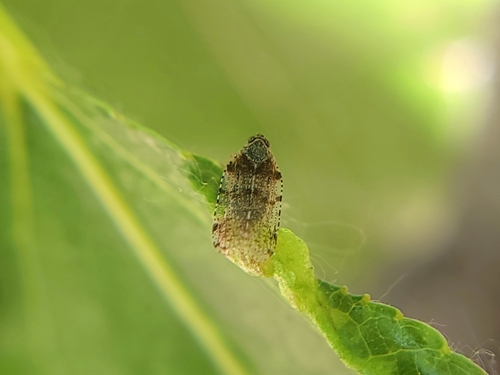
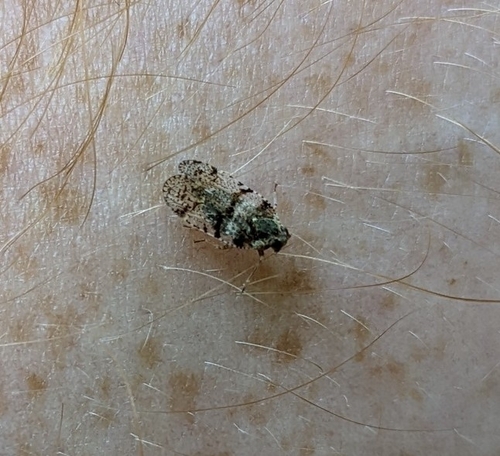
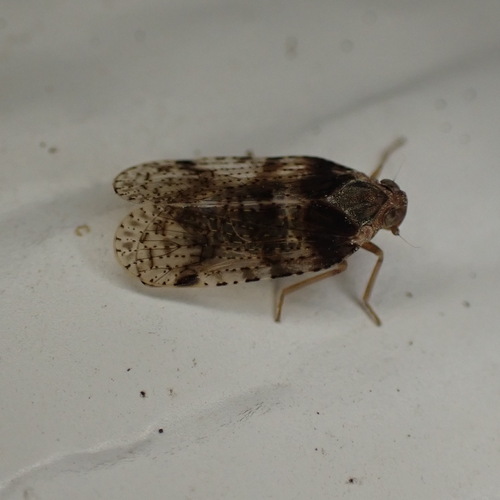
Questions people ask
What do common lacehoppers look like?
They have three keels on the scutellum and clear front wings with dark brown bands and spots.
Source: Wikipedia
Sources
- Wikipedia: https://en.wikipedia.org/wiki/Cixius_nervosus
Look it up elsewhere: GBIF · iNaturalist · BugGuide · Wikipedia
Text written 2026-10-27 from the sources above and checked sentence by sentence against them. Data fetched 2026-10-27.