 Bug FAQ
Common Chigger
Trombicula alfreddugesi · Order: Trombidiformes · Family: Trombiculidae
Source: Wikipedia, extension.msstate.edu
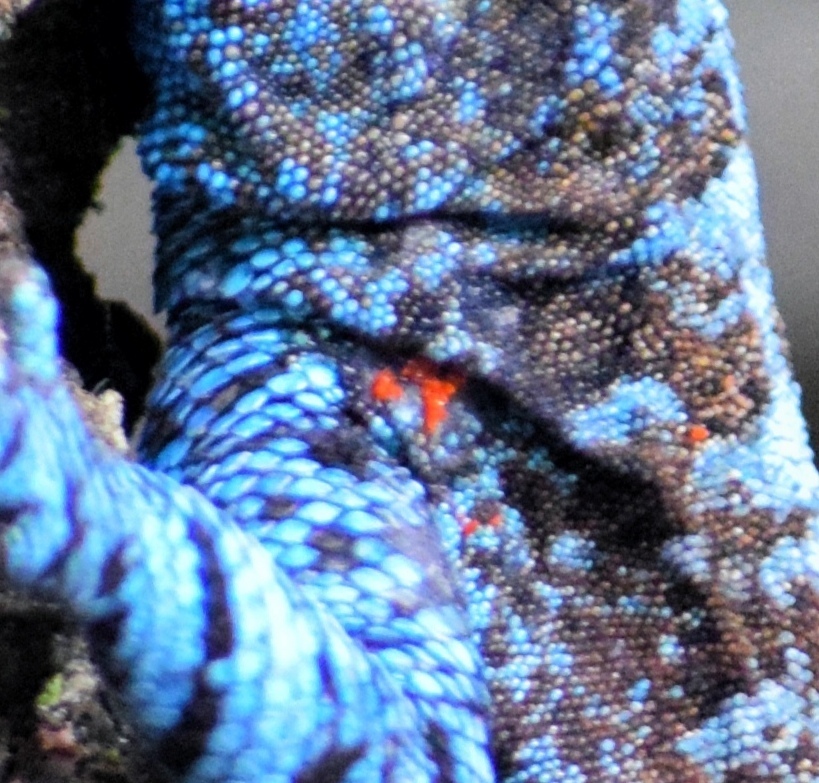
The common chigger (Trombicula alfreddugesi) is the most widespread chigger in the United States and is also called the harvest mite. Larvae attach to animals or people in grassy, brushy areas, inject saliva and enzymes, and the reaction creates itchy welts. Keeping grass short and washing off after outdoor activities helps reduce bites.
Source: Wikipedia, extension.msstate.edu
How to recognize it
Although they are bright red, you need good lighting and magnification to see them clearly.
Source: extension.msstate.edu
Is it a pest in the house?
They prefer humid climates and are rare in dry western states. The tiny larvae cause bites that feel far worse than their size would suggest.
Source: Wikipedia, extension.msstate.edu
Does it bite or sting?
Larvae attach to animals or people and cause welts that can become dermatitis. The itching comes from our body’s reaction to the chigger’s saliva and digestive enzymes.
Source: Wikipedia, extension.msstate.edu
How to get rid of it
Mowing grass short and trimming weeds reduces chigger populations around homes. After being outdoors, bathe in hot, soapy water, scrub the skin, and wash clothing promptly.
Source: extension.msstate.edu
Where it lives
They are usually found in undergrowth and grassy brush areas.
Source: Wikipedia
What it eats
The parasitic larval stage feeds on the fluids of animals they attach to.
Source: Wikipedia
Life cycle
Chiggers are free-living mites whose larval stage is parasitic.
Source: Wikipedia
Where it is found in the US
Recorded in 18 of 51 states and DC. Most records: Texas, Georgia, New York, Louisiana, Iowa, South Dakota, Arkansas, Kentucky.
Darker = more records. Counts are museum and citizen-science records, not population size.
Source: GBIF
Status: native in North America. Source: iNaturalist
Months it is reported in the US
Source: GBIF
Questions people ask
How can I prevent chigger bites?
Keep grass mowed short, trim weeds, and wash off with hot, soapy water right after being outdoors.
Source: extension.msstate.edu
Why do chigger bites itch?
The itch is caused by our body’s reaction to the chigger’s saliva and digestive enzymes.
Source: extension.msstate.edu
What is the common chigger?
It is the most common chigger species in the United States, also known as the harvest mite.
Source: Wikipedia
Sources
- Wikipedia: https://en.wikipedia.org/wiki/Eutrombicula_alfreddugesi
- extension.msstate.edu: https://extension.msstate.edu/newsletters/bugs-eye-view/2019/chigger-vol-5-no-16
Look it up elsewhere: GBIF · iNaturalist · BugGuide · Wikipedia
Text written 2026-10-23 from the sources above and checked sentence by sentence against them. Data fetched 2026-10-23.